2026 Top Cable Coating Plant Buying Guide for Global Buyers?
In the evolving industrial landscape, selecting an ideal Cable Coating Plant is crucial for global buyers. The right plant enhances productivity and ensures high-quality outputs, key factors in today’s competitive market. This guide aims to provide insightful tips based on industry experiences.
Understanding the various aspects of cable coating technology is essential. Buyers must consider factors such as machinery efficiency, energy consumption, and production capacity. Technical innovation is a vital consideration for modern cable coating plants. Companies that adapt to changing technologies can stand out in the market.
Choosing a Cable Coating Plant requires a thoughtful approach. It's not merely about cost. Buyers should evaluate quality, supplier reliability, and after-sales support. Often, overlooked details can lead to unexpected challenges. A well-informed decision can significantly impact long-term business success.
2026 Cable Coating Plant Market Overview and Industry Trends
The cable coating plant market is evolving rapidly. In 2026, we expect significant technological advancements. Automation and smart manufacturing are becoming essential. These innovations enhance efficiency and reduce operational costs. The shift towards sustainability is also a crucial trend. Many plants are adopting eco-friendly materials. This reduces waste and improves the overall environmental impact.
Buyers should be aware of industry challenges. Supply chain disruptions have affected raw material availability. Therefore, evaluating suppliers carefully is vital. The rise of electric vehicles will increase demand for high-quality cable coatings. This trend creates both opportunities and competition.
Investing in advanced technologies may require higher upfront costs. Yet, the potential for long-term savings is significant. Keeping an eye on global market dynamics is important. As manufacturers, understanding these trends can drive better decision-making. Continuous learning and adaptation will be key for success in this industry.
Key Factors in Selecting a Cable Coating Plant: Location and Accessibility
When considering a cable coating plant, location plays a crucial role.
It impacts logistics, transportation costs, and overall operational efficiency. A 2022 report from the Global Cable Industry Association highlighted that plants located near major transportation hubs can reduce shipping times by up to 30%. This efficiency directly affects profitability.
Accessibility is another essential factor. A facility's proximity to suppliers can minimize lead times. Research indicates that plants within a 50-mile radius of their key suppliers can improve production schedules by 20%. Additionally, easy access to skilled labor can enhance workforce productivity, making the plant more competitive in a global market.
Proximity to institutions can offer training and development for employees, fostering a culture of innovation.
On the flip side, one must also consider potential challenges. Remote locations sometimes offer lower costs but can suffer from inconsistent supply chains. This inconsistency may hinder production and create unexpected delays. Evaluating trade-offs between cost and accessibility is vital.
An effective site selection requires a nuanced understanding of the industry's specific demands. This level of inquiry ensures that the chosen location aligns with long-term business goals.
Essential Technologies and Equipment for Modern Cable Coating Facilities
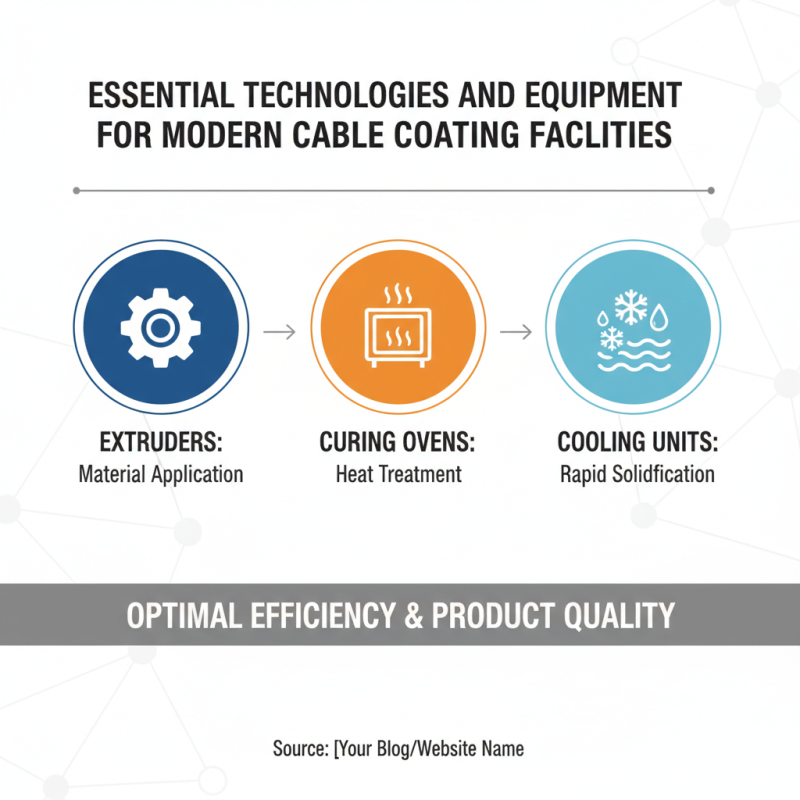
When investing in a cable coating plant, understanding essential technologies is crucial. Various machines play a role in the coating process, and selecting the right equipment ensures efficiency and productivity. Key machines include extruders, curing ovens, and cooling units. Each has its specific function, which impacts the final product’s quality and performance.
Tips: Always evaluate the compatibility of machines before purchase. Check if they can work together smoothly. This foresight saves money and prevents future headaches.
Modern cable coating facilities emphasize automation. Automated systems increase production output and reduce labor costs. However, facilities must invest in the right software and control systems. These systems coordinate all operations, ensuring precision and consistency. Balancing automatic with manual processes remains vital. Over-reliance on automation can lead to a lack of control.
Tips: Regularly assess equipment performance. Look for signs of wear and tear. Prompt maintenance avoids costly downtimes. Investing in training for staff is also key. Skilled operators make a difference in efficiency and safety.
Cost Analysis: Budgeting for Equipment and Operational Expenses
When planning to purchase equipment for a cable coating plant, understanding the cost is essential. Industry reports indicate that operational expenses can account for 40% of total costs. This includes labor, maintenance, and utilities. Equipment costs can range significantly, from $50,000 to over $1 million depending on capacity and technology. Investing in automation can reduce labor costs by 30% but requires careful budgeting.
**Tip:** Always factor in hidden costs, like installation and training. These can add up quickly and impact your budget. Investing in high-quality equipment might seem expensive initially, but it often results in lower operational costs and longer lifespan, which can lead to savings.
Another consideration is energy consumption, which affects long-term expenses. According to recent studies, energy costs can be reduced by using energy-efficient technologies. It’s crucial to communicate with suppliers about ongoing costs and potential savings. However, be cautious; miscalculating energy efficiencies can lead to unexpected expenses.
**Tip:** Conduct a thorough cost-benefit analysis before purchasing. Evaluate both immediate costs and long-term savings. This analysis will help in choosing the right equipment and aligning it with your budget effectively.
2026 Top Cable Coating Plant Buying Guide for Global Buyers
| Dimension |
Cost ($) |
Operational Expenses ($/year) |
Maintenance Cost ($/year) |
Energy Consumption (kWh) |
| Small Plant |
$100,000 |
$30,000 |
$5,000 |
50,000 |
| Medium Plant |
$250,000 |
$75,000 |
$10,000 |
150,000 |
| Large Plant |
$500,000 |
$150,000 |
$20,000 |
300,000 |
| Extra-Large Plant |
$1,000,000 |
$300,000 |
$30,000 |
600,000 |
Sustainability Practices in Cable Coating: Regulatory and Market Demands
Sustainability practices in cable coating are increasingly critical. Regulators are setting higher standards. They demand eco-friendly materials and processes. The market also prefers sustainable options. Companies that adopt green practices gain a competitive edge. This shift reflects broader environmental concerns.
Meeting these demands can be challenging. Many manufacturers face gaps in technology and expertise. Developing sustainable coatings requires investment. Not all businesses are able to allocate resources effectively. The transition can expose weaknesses in adaptation strategies. Not every company has the infrastructure to support green practices.
Additionally, consumer expectations are evolving. Buyers are more aware of environmental impacts. They favor products with minimal ecological footprints. This trend forces manufacturers to reconsider sourcing and production. Achieving balance between performance and sustainability is key. The journey may be complex, but it unlocks new opportunities. Embracing change is essential for long-term success.
2026 Cable Coating Market Sustainability Practices