2026 How to Choose Cable Insulation Machines?
Choosing the right Cable Insulation Machines in 2026 requires more than comparing prices and production speeds. A suitable machine must match your cable structure, insulation material, line layout, and quality expectations. Small differences can affect output stability, waste levels, and long-term maintenance costs.
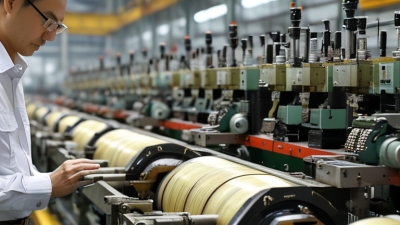
In practical production, operators often inspect the extruder, die head, cooling section, haul-off system, and control interface as one complete line. A machine may appear efficient on paper, yet perform poorly when processing heat-sensitive compounds or narrow-diameter cables. Real factory experience matters here. Watch the melt flow, surface finish, temperature consistency, and changeover time.
Safety and compliance should guide every decision. Reliable manufacturers provide documented specifications, traceable quality checks, installation support, and responsive technical service. Ask about insulation thickness control, energy consumption, spare-part availability, and operator training. These details often matter more than an impressive brochure.
No machine is perfect. That matters.
Buyers should also question their own assumptions. A faster line is not always better if it creates unstable insulation or frequent downtime. An affordable model may become expensive after repeated repairs and difficult adjustments. For this reason, this guide examines how to evaluate Cable Insulation Machines with practical criteria, measurable performance indicators, and realistic production needs. It also considers future expansion, automation, material compatibility, and supplier reliability. Some choices will remain uncertain, especially when testing data is limited. Careful trials and transparent communication can reduce that uncertainty before a major investment is made.
Cable Insulation Machines: Types, Functions, and Applications
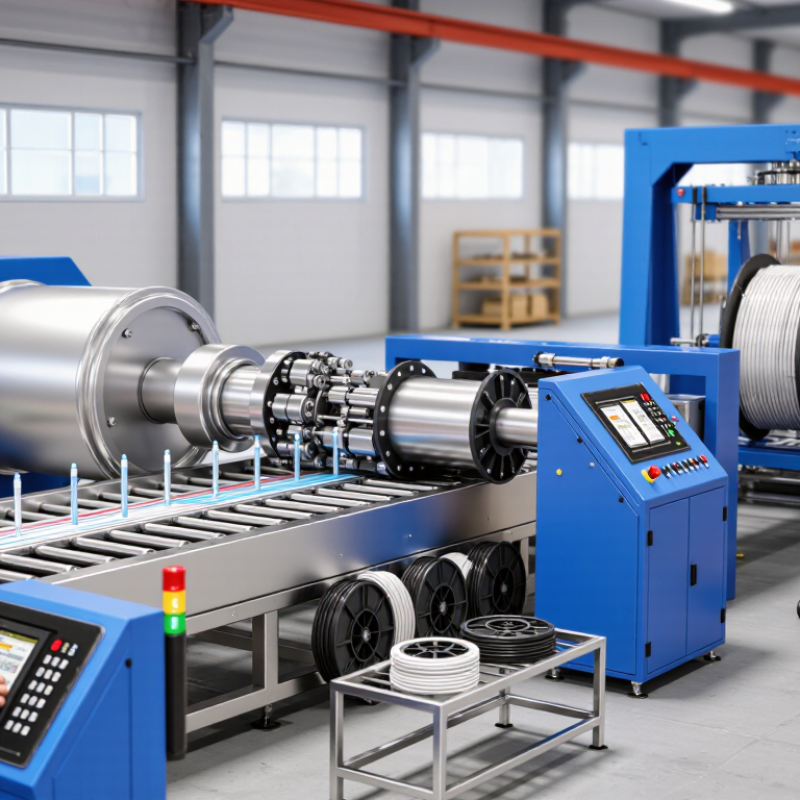
Cable insulation machines protect conductors from heat, moisture, abrasion, and electrical leakage. The main types include extrusion lines, taping machines, and enamel coating systems. Extrusion machines apply melted polymer around a conductor through a shaped die. Taping machines wrap insulating films or paper with controlled tension. Enamel systems add thin protective layers to fine wires.
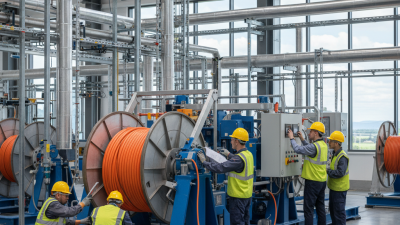
Each machine performs several connected functions. Payoff units release the conductor steadily. Preheaters improve coating adhesion. Extruders melt and press insulation around the wire. Cooling troughs stabilize the finished layer. Laser gauges check diameter continuously, while spark testers detect pinholes. These systems support power cables, data cables, automotive harnesses, appliance wires, and renewable-energy connections. In practice, material choice matters as much as machine speed. A fast line can still produce weak insulation.
Tips: Match the machine with conductor size, insulation material, production volume, and required tolerance. Ask for trial runs using your actual material. Check temperature control, line tension, maintenance access, and measurement records. Experienced operators often notice small surface waves before sensors do. Do not trust speed alone. A quieter machine may provide better stability, but this depends on setup. I have found that cooling design is sometimes underestimated. It can affect ovality, adhesion, and final flexibility. Perfect settings are rare; careful testing remains necessary.
How to Match Machine Capacity with Cable Production Requirements
Choosing a cable insulation machine starts with production facts, not catalog speed. The IEA’s Electricity 2024 report forecasts global electricity demand to grow by about 3.2% annually from 2024 to 2026. That growth may increase cable orders, but demand alone should not determine capacity. Measure conductor size, insulation material, line speed, changeover frequency, and expected operating hours. A machine rated at 1,000 meters per minute may produce less than expected after cooling, testing, and spool changes.
Use the smallest capacity that supports realistic peak demand. For example, a plant needing 420,000 meters monthly should calculate capacity from actual shifts, not ideal laboratory output. Include a 15–20% reserve for maintenance and urgent orders. The International Cablemakers Federation’s industry statistics also show that cable production varies sharply by conductor type and application. Therefore, one universal machine setting is rarely practical. I have seen capacity plans fail because scrap rates were treated as zero. That assumption needs questioning.
Tips: Record three months of production data. Separate running speed from sellable output. Check extruder size, cooling length, and take-up range together. Request trial data using your actual insulation compound. A careful trial can reveal surface defects, unstable diameter, or slow changeovers before installation. Recheck the forecast every six months. Capacity decisions should remain adjustable, because markets rarely behave perfectly.
2026 How to Choose Cable Insulation Machines? - How to Match Machine Capacity with Cable Production Requirements
| Production Requirement |
Typical Cable Application |
Conductor Size Range |
Finished Cable Diameter |
Recommended Line Speed |
Extruder Screw Diameter |
Estimated Output |
Best Insulation Material |
Key Selection Considerations |
| Precision data and control cables |
Sensors, instrumentation, signal and small communication cables |
0.05–1.00 mm² |
0.8–4.0 mm |
100–500 m/min |
30–45 mm |
15–60 kg/h |
PVC, PE, TPU, fluoropolymer compounds |
Prioritize melt-pressure stability, concentricity control, fine temperature regulation and low material residence time. |
| Building wire and appliance wire |
Single-core electrical wire, hook-up wire and internal appliance wiring |
0.5–10 mm² |
2.0–8.5 mm |
300–1,200 m/min |
45–65 mm |
50–150 kg/h |
PVC, low-smoke zero-halogen polyolefin |
Match the crosshead, caterpillar, cooling length and take-up to the target speed; verify spark-test and diameter-control capability. |
| Automotive and battery cable |
Low-voltage automotive harnesses and compact battery connections |
0.35–35 mm² |
1.5–14 mm |
200–800 m/min |
45–70 mm |
50–180 kg/h |
PVC, XLPE, cross-linkable polyolefin |
Select equipment for tight wall-thickness tolerance, rapid recipe changes, surface quality and continuous spark detection. |
| Medium-voltage power cable |
Power distribution cable with semiconductive screens and insulation layers |
16–630 mm² |
10–45 mm |
20–100 m/min |
90–150 mm |
180–600 kg/h |
XLPE, EPR, semiconductive compounds |
Use a multi-layer extrusion line with clean-room-compatible material handling, dry curing or cooling capability and precise concentricity control. |
| Low-voltage power cable |
Industrial, construction and flexible power cables |
10–300 mm² |
8–35 mm |
40–250 m/min |
65–120 mm |
120–450 kg/h |
PVC, XLPE, LSZH compounds |
Confirm maximum conductor diameter, cooling-tank length, haul-off traction and take-up reel capacity before selecting the line. |
| Flat and multi-core cable |
Control cable, elevator cable, extension cable and flexible appliance cable |
0.5–16 mm² per core |
4–25 mm overall |
30–250 m/min |
60–100 mm |
100–350 kg/h |
PVC, TPE, TPU, LSZH compounds |
Check die and crosshead geometry, compound flow balance, flatness control, cooling uniformity and downstream alignment. |
| Specialty high-temperature cable |
Industrial heating, aerospace, medical and high-temperature applications |
0.1–10 mm² |
1.0–12 mm |
10–150 m/min |
30–60 mm |
10–100 kg/h |
FEP, PTFE, ETFE, PFA, silicone |
Require corrosion-resistant melt-contact parts, accurate thermal control, compatible screw design and material-specific tooling. |
Capacity-matching rule:
Select a line whose stable operating output is normally about 15–25% above the required production rate. This operating margin accommodates start-up waste, material changes, maintenance and reasonable future demand without forcing the machine to run continuously at its maximum rating.
Note: The values are typical engineering ranges for preliminary equipment selection. Actual capacity depends on conductor material, insulation compound, wall thickness, die design, cooling conditions, line configuration and required quality tolerances.
Safety, Automation, and Quality Control Considerations
How to Choose Cable Insulation Machines in 2026
Choosing a cable insulation machine requires more than comparing output speed. Safety begins with guarded heating zones, reliable emergency stops, and clear maintenance access. Check whether operators can isolate power before cleaning or changing tooling. Temperature control must remain stable during long production runs. A sudden heat rise can damage insulation and create hidden weaknesses. Ask for documented risk assessments, operator training records, and practical safety test results.
Automation should support people, not simply replace them. Useful systems monitor line speed, insulation thickness, conductor tension, and temperature continuously. Automatic adjustments can reduce variation, but they may also repeat an incorrect setting quickly. A clever dashboard cannot repair a poorly calibrated sensor. Select equipment with adjustable alarms, secure data storage, and traceable production records. Integration with inspection devices is valuable when every meter must meet the same specification.
Tips: Test the machine with your actual cable materials before purchase. Inspect sample insulation under magnification and check thickness at several points. Confirm that spark testing, diameter measurement, and reject functions operate together. Ask how calibration is verified and how failed readings are recorded. Leave room for manual inspection. Human review still catches unusual surface marks. A perfect setup is unrealistic, and production conditions may expose weaknesses that demonstrations hide. Recheck noise, heat, access, and changeover time during a full shift.
2026 How to Choose Cable Insulation Machines?
A practical evaluation model for comparing cable insulation machines across safety, automation, and quality control. The 100-point allocation helps purchasing teams prioritize compliance, process stability, and inspection capability.
Safety receives the highest priority because machine guarding, emergency stopping, risk assessment, and electrical protection directly affect operators and production continuity. Automation supports repeatable settings, data recording, and reduced manual intervention, while quality control focuses on insulation thickness, concentricity, spark testing, and traceability.
Evaluating Costs, Maintenance, and Long-Term Machine Value
Choosing a cable insulation machine in 2026 requires more than comparing purchase prices.
A lower-cost extruder may consume more electricity, produce thicker insulation, and create expensive scrap.
The U.S. Department of Energy’s Motor Systems Sourcebook estimates that motor-driven equipment uses about 69% of industrial electricity.
Efficient drives and correctly sized motors can therefore reduce operating costs over years.
My first comparison once ignored electricity tariffs. That mistake changed the preferred machine.
Maintenance records deserve equal attention.
Ask for planned service intervals, heater replacement times, screw inspection procedures, and spare-part availability.
A machine that needs fewer specialist visits can protect production continuity.
ISO 55001 principles support lifecycle asset management, including risk, performance, and total cost decisions.
Keep a simple log: operating hours, rejected metres, energy use, and repair minutes.
Small figures reveal expensive patterns.
Long-term value also depends on process stability.
Measure insulation diameter variation and concentricity during trials, not only maximum line speed.
The International Energy Agency’s Energy Efficiency 2023 report identifies industry as a major global energy consumer, so waste reduction has practical financial value.
However, published efficiency figures can look too perfect.
Real factories face dust, voltage changes, operator learning, and uneven material batches.
Leave budget for training, calibration, and one uncomfortable surprise.
A five-year model should include purchase cost, installation, energy, labour, maintenance, scrap, and resale value.