2026 Best Cable Drawing Machines for Global Buyers?
In the rapidly evolving world of manufacturing, Cable Drawing Machines play a crucial role in wire production. According to industry reports, the global market for these machines is projected to reach $1.5 billion by 2026. This growth reflects the increasing demand for high-quality cables in various sectors, including telecommunications, automotive, and construction.
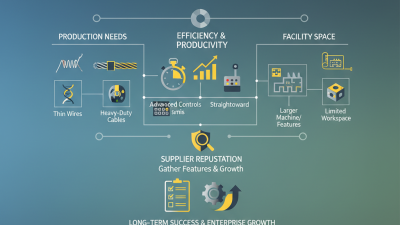
As manufacturers seek efficiency and quality, choosing the right Cable Drawing Machines becomes essential. High-performance machines can enhance productivity and reduce costs. However, not every machine on the market meets these standards. It's vital for buyers to consider factors like technology, durability, and after-sales service before making a purchase.
Despite the promising growth, challenges persist. Issues with machine maintenance and the need for skilled operators can hinder production. Additionally, technological advancements are not always straightforward. Buyers must stay updated with trends to prevent obsolescence. Understanding these dynamics is key to success in selecting the best Cable Drawing Machines for your needs.
2026 Cable Drawing Machines: An Overview of Market Trends and Innovations
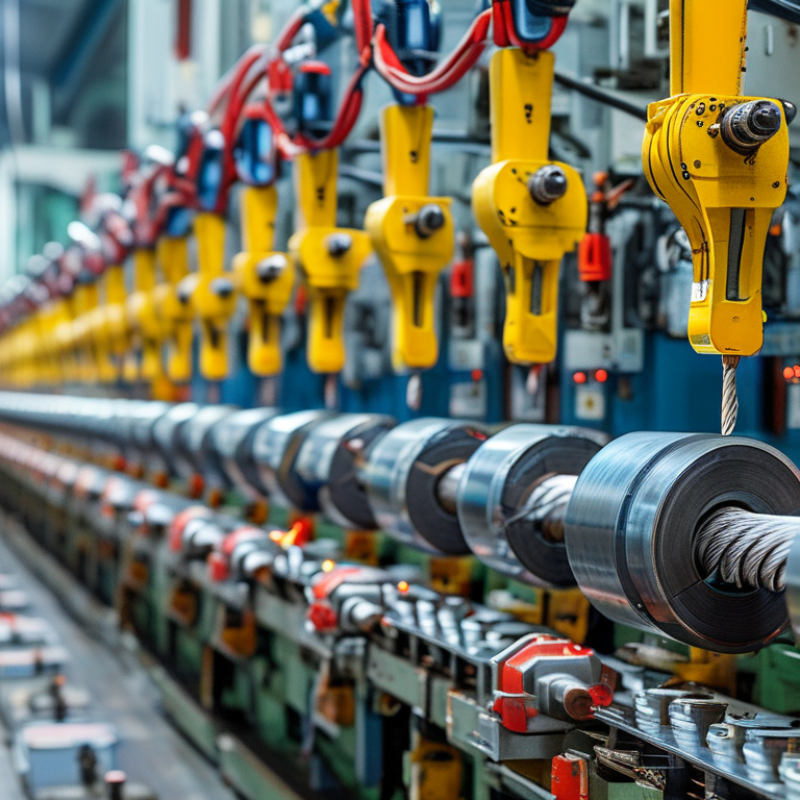
The cable drawing industry is experiencing significant transformations as we move toward 2026. Innovations in technology are reshaping the machines used for cable production. Research indicates that the cable drawing machines market is expected to grow at a CAGR of 4.7% from 2022 to 2027. This growth stems from the increasing demand for energy-efficient solutions and high-performance materials.
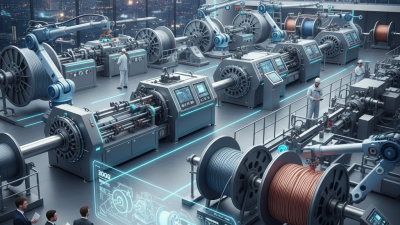
A focus on automation and digitalization is evident in new designs. Advanced data analytics and IoT integration are becoming standard features. They enhance efficiency and reduce downtime. Surprisingly, not all manufacturers are prioritizing these trends, leaving gaps in productivity. Analysis from industry reports suggests that companies adopting these technologies can reduce operational costs by up to 15%. However, firms resistant to change risk obsolescence.
Sustainability is another trend driving innovations in cable drawing machines. Many manufacturers are investing in machines that reduce waste and energy consumption. Reports show that machines designed with eco-friendly features can lower energy use by 30%. However, the upfront investment can be high, which deters some small businesses. Balancing cost against long-term benefits remains a critical consideration for many buyers.
Key Features and Specifications of Top Cable Drawing Machines for 2026
The world of cable drawing machines is evolving significantly.
Key features to explore for 2026 include efficiency and precision. Machines are designed to enhance production speed while maintaining wire quality. Advanced technology in these machines allows for better control. This results in lower waste and improved yield.
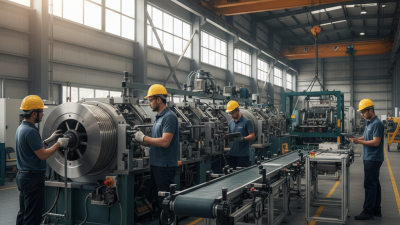
Investing in machines with high tensile strength is crucial. This means they can handle a variety of materials without failure. Moreover, automated processes reduce human error, making production more reliable. Some machines now offer real-time monitoring, which enhances operational efficiency. However, buyers should be cautious of overly complex systems that might complicate maintenance.
The best machines will also focus on energy efficiency. Eco-friendly designs are becoming popular, addressing both cost and environmental concerns. Continuous improvements in safety features are essential as well. Users must evaluate their specific needs to select the right solution. It’s a learning curve, adapting to new technology is not always straightforward.
Comparative Analysis of Cable Drawing Machine Manufacturers and Their Offerings
The cable drawing machine market is constantly evolving, influenced by technological advancements and global demands. Recent reports suggest that the global cable drawing machine market is projected to reach $1.5 billion by 2026, with an annual growth rate of around 6%. This growth reflects the rising need for high-quality cables in industries such as construction, automotive, and telecommunications. As manufacturers compete to capture market share, understanding their offerings is essential for buyers.
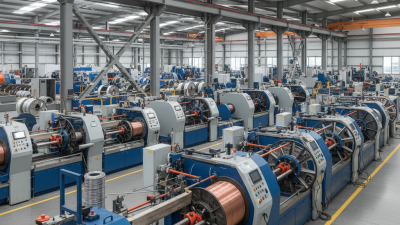
Manufacturers vary significantly in technology and production capacity. Some prioritize high-speed drawing processes, while others focus on energy efficiency. Data indicates that machines featuring automated controls can increase output by 20% compared to traditional models. Buyers often reflect on the importance of choosing the right specifications that align with their production goals. However, with many options available, distinguishing between quality and cost-effectiveness can be challenging.
Additionally, after-sales support is a critical factor in comparison. Manufacturers that provide strong user training and reliable maintenance services often gain higher customer satisfaction. Buyers must evaluate these aspects carefully. Industry feedback shows some buyers regret not placing enough emphasis on post-purchase support, leading to unforeseen downtime in operations. This highlights the importance of a comprehensive evaluation when selecting a cable drawing machine.
2026 Best Cable Drawing Machines Performance Comparison
Impact of Industry Standards on Cable Drawing Machine Efficiency and Performance
The cable drawing machine industry is intricately linked to performance standards. These standards dictate efficiency metrics that manufacturers strive to meet. According to a recent study by MarketsandMarkets, enhancing the machine’s operational efficiency can improve production rates by up to 25%. This underlines the importance of compliance with industry benchmarks.
Efficiency is not merely about output. It encompasses precision, waste reduction, and energy consumption. For instance, incorporating smarter control systems can lead to a 15% reduction in energy usage. Yet, many machines still fall short of these capabilities. Industry reports indicate that up to 40% of equipment misses the latest efficiency standards. This gap represents a significant area for improvement and innovation.
Moreover, sustainability pressures are reshaping performance expectations. Machines must not only produce but do so with a lower environmental footprint. Research shows a growing demand for eco-friendly materials in cable manufacturing. Many companies are now pivoting to comply with these evolving standards. However, balancing efficiency with environmental impact remains a complex challenge. The industry must continuously adapt to these dynamics to avoid stagnation.
Future Projections: Cable Drawing Machines and Technological Advancements by 2030
As we look towards 2030, the cable drawing machine industry is poised for significant technological advancements. According to a recent industry report, the global market for cable drawing machines is expected to reach $1.5 billion by 2028, growing at a CAGR of 5.2%. This growth is driven by increasing demand for high-performance cables across various sectors, including telecommunications, automotive, and renewable energy.
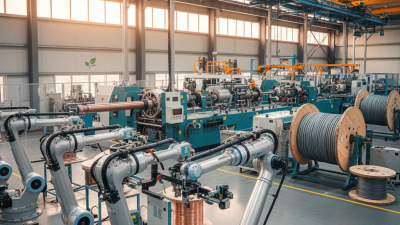
Technological innovations will redefine the manufacturing process. Automation and artificial intelligence are two key areas of focus. New machines will integrate smart technologies, improving efficiency and reducing waste. For example, real-time monitoring systems can detect defects during production, ensuring consistent product quality. The report indicates that such innovations may cut operational costs by 20%, which is crucial for manufacturers facing tight margins.
Tips for buyers: Invest in machines with advanced monitoring features. Look for models that offer automated adjustments based on real-time data. Consider sustainability in machine design. Eco-friendly options will become essential as regulations tighten. Reflect on your current production needs, as evolving technologies may offer solutions previously deemed too expensive or impractical.