What is a Cable Armoring Machine and How Does It Work?
The Cable Armoring Machine plays a pivotal role in the cable manufacturing industry. As cables become essential for various applications, their durability is paramount. According to industry reports, the global market for armored cables is projected to grow significantly, reaching over $30 billion by 2027. This growth highlights the need for efficient production techniques.
A Cable Armoring Machine enhances cable strength by adding protective layers. This process not only ensures longevity but also improves performance. However, the technology is not without challenges. Machines can face operational issues, affecting production consistency. It's crucial for manufacturers to invest in quality machinery and regular maintenance.
Despite advancements, the industry still grapples with inefficiencies. Data indicates that nearly 15% of production time is lost due to machine downtimes. Understanding these intricacies of the Cable Armoring Machine can drive innovation and improvement within the sector. As demand rises, so must our commitment to optimizing these machines.
What is a Cable Armoring Machine: Definition and Overview
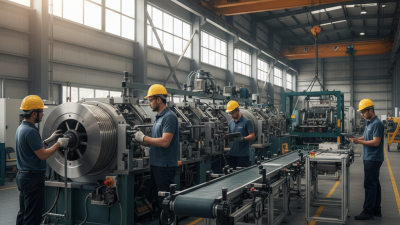
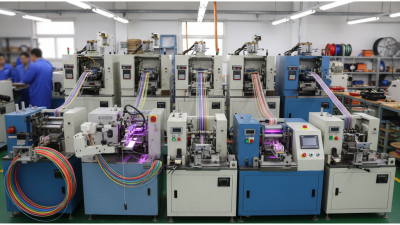
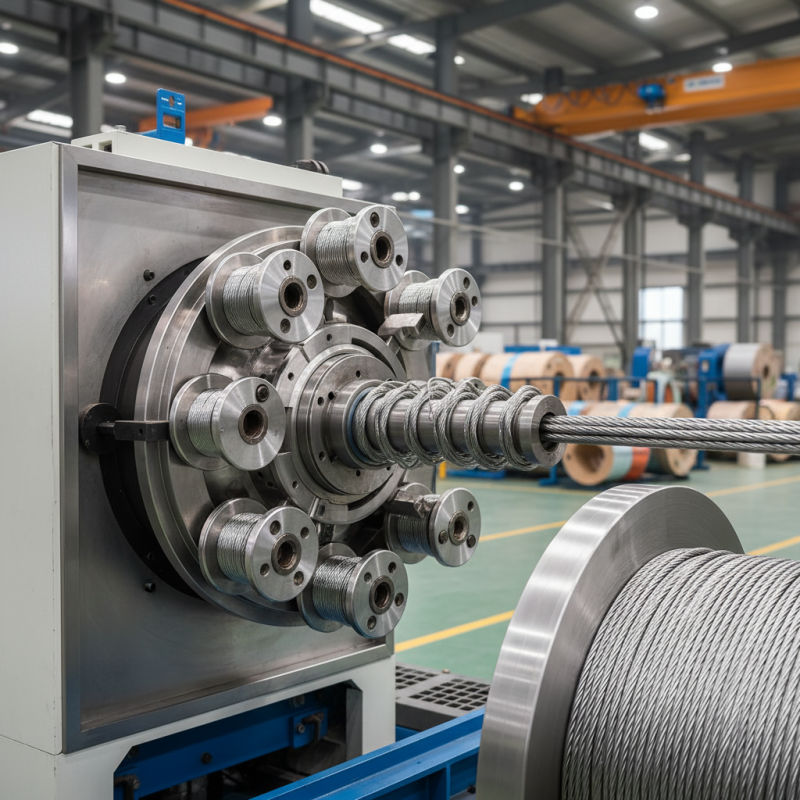
A cable armoring machine is an essential piece of equipment in the cable manufacturing industry. Its primary function is to apply protective layers to cables, ensuring their durability and resistance to environmental stresses. Typically, these machines can accommodate various materials, including steel wires and aluminum strips, to enhance cable strength. According to industry reports, the global cable manufacturing equipment market is projected to grow by 4.5% annually through 2027, reflecting the rising demand for robust and reliable cables.
When examining the workings of a cable armoring machine, it's clear that precision is key. The machine feeds the core cable through rollers, which then apply the armor at specified tensions. This process must be finely tuned; too much tension could damage the cable. Each layer must be consistently applied, ensuring uniformity across the length of the cable. Reports suggest that a well-calibrated armoring machine can significantly reduce production time while enhancing product quality.
Tips: Regular maintenance of the equipment is crucial. Schedule routine inspections to avoid unexpected downtime. Ensure that the machine is calibrated according to the manufacturer's specifications.
Quality control is also vital during the armoring process. Any inconsistency can lead to a reduced lifespan of the cables. It's important to monitor the mechanical properties of the armored cables regularly. Inadequate attention here can result in costly failures in the field.
Key Components of a Cable Armoring Machine
A cable armoring machine is essential in manufacturing cables for various applications. It serves to protect the inner core of the cable from physical damage and environmental factors. Understanding its key components can shed light on how it functions efficiently in the production line.
One vital component is the feeding system. It precisely supplies the cable core to the machine. Without proper feeding, the cable may not receive the necessary protective layers. Another key part is the armoring head. This section shapes and applies the metal wire, which forms the armor around the cable. The tension must be just right; too tight may cause damage, while too loose results in inadequate coverage.
Additionally, the control system is crucial for the machine's operation. It oversees the speed and coordination of all parts. If the control system is not set correctly, the whole process can suffer. Regular maintenance of each component is essential. Over time, wear and tear can affect performance, leading to inconsistencies in the final product. Refining these components will enhance overall efficiency and output quality in cable production.
What is a Cable Armoring Machine and How Does It Work? - Key Components of a Cable Armoring Machine
| Component |
Description |
Function |
| Feeder System |
Delivers raw materials to the machine |
Ensures a continuous supply of materials for armoring |
| Armoring Unit |
Where the actual armoring takes place |
Applies protective layers to the cable core |
| Drive Mechanism |
Controls the speed and movement of the machine |
Regulates production speed for efficiency |
| Control Panel |
Interface for operators |
Allows monitoring and adjustments during operation |
| Cooling System |
Maintains optimal temperature during processing |
Prevents overheating and ensures consistent quality |
How a Cable Armoring Machine Operates: Step-by-Step Process
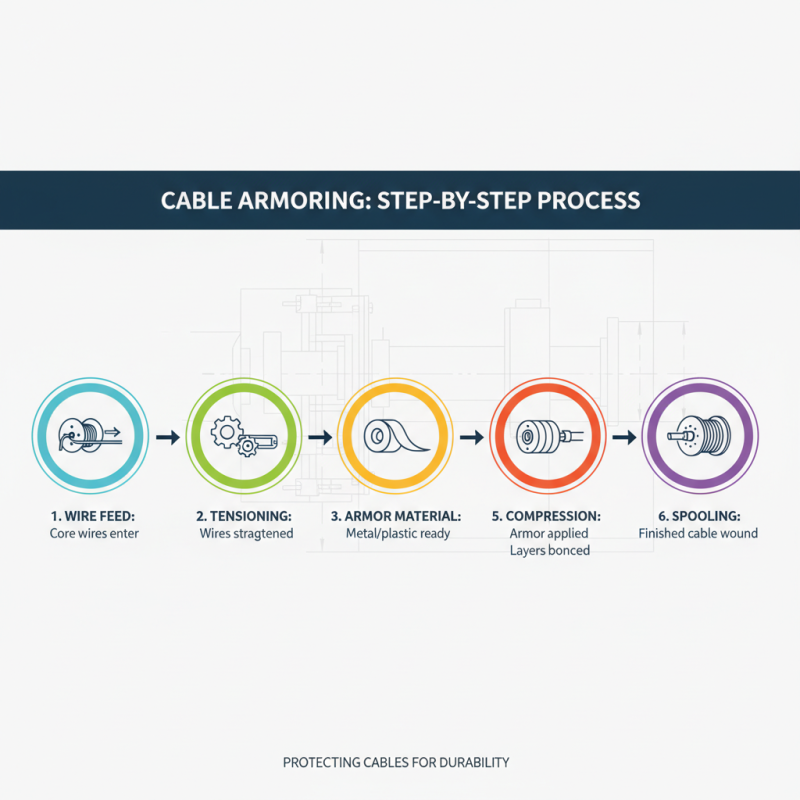
A cable armoring machine plays a crucial role in manufacturing durable cables. This machine protects the internal wires from physical damage. It does so by adding layers of metal or plastic armor. To understand its operation, let’s break it down into steps.
The process begins with feeding insulated wires into the machine. These wires are then pulled through a set of rollers. The rollers ensure consistent tension, which is essential for even armor application. Next, the machine applies the armor material. This can be metallic or non-metallic, depending on the required strength and flexibility. After layering, the cable undergoes a heating process. This step helps bond the materials securely.
Finally, the molded cables are cooled and inspected. This inspection is vital. Any imperfection can lead to failure in real-world applications. Operators take care to spot flaws, but human error can occur. Sometimes, the armor may not adhere properly. Observing and adjusting the process continually is essential to minimize these issues.
Types of Cable Armoring Machines and Their Applications
Cable armoring machines are essential in the telecommunications and electrical industries. They provide protection to cables, ensuring durability in various environments. There are different types of cable armoring machines, each designed for specific applications.
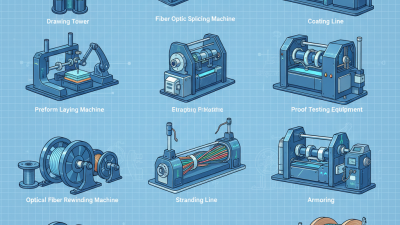
One common type is the wire armoring machine. This machine applies a wire layer to the cable. It protects against environmental factors and mechanical stress. These machines are crucial for constructing cables that withstand harsh conditions.
Another variant is the tape armoring machine. This one uses metal tape as armor. It is lightweight and flexible, perfect for urban installations.
Each of these machines has its strengths and limitations. The wire armoring machine offers robust protection but may add weight. Tape armoring can reduce weight but might not be as strong.
Choosing the right type requires careful consideration. Factors like cable type and installation environment play a role. It's essential to weigh the benefits and drawbacks before making a decision.
Benefits of Using a Cable Armoring Machine in Manufacturing
A cable armoring machine is essential in modern cable manufacturing. It adds protective layers to cables, making them durable and safer. Without proper armoring, cables are vulnerable to environmental damage. This could lead to costly repairs and replacements. Investing in a cable armoring machine helps manufacturers address this vulnerability effectively.
One significant benefit is the enhanced durability of the cables produced. Armored cables resist abrasion and impact, ensuring long service life. This is especially crucial in harsh environments, such as construction sites or industrial zones. Manufacturers often find that these cables require less maintenance, which is economically advantageous. Additionally, using an armoring machine can streamline the manufacturing process. Automation reduces human error and increases production speed.
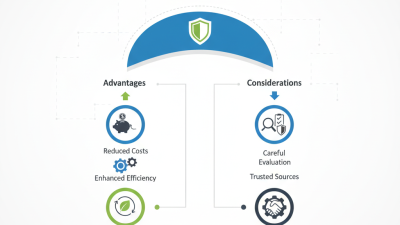
However, it's not all perfect. The initial investment can be substantial. Also, operators need proper training to handle complex machinery efficiently. There may be a learning curve that affects production rates initially. The long-term benefits typically outweigh these concerns, but they deserve consideration. Balancing costs and efficiency remains a challenge for many manufacturers.