Leave Your Message

Top 10 Cable Machinery Installation Best Practices for Success?

Effective Cable Machinery Installation is crucial for project success. Proper installation practices ensure that the equipment functions properly and lasts longer. However, many teams encounter challenges that affect their performance. They often overlook critical components or underestimate the complexities involved.

In this guide, we will highlight best practices for Cable Machinery Installation. These ten practices can help streamline the process. Consider factors like equipment alignment and environmental conditions. Teams must be aware of common pitfalls. A single mistake can lead to significant setbacks.

Installation often requires collaboration among various skilled professionals. Communication is key to avoiding misunderstandings. Sometimes, even minor oversights can result in major issues. Reflecting on past experiences helps improve future installations. Emphasizing planning and training is essential. Let's explore these best practices for success.
Top 10 Cable Machinery Installation Best Practices for Success?

Understanding the Importance of Cable Machinery Installation Best Practices

Understanding the importance of cable machinery installation best practices is crucial for any operation. Proper installation can significantly enhance efficiency. It minimizes downtime and maximizes safety. When machines are installed correctly, the likelihood of operational errors decreases. This attention to detail fosters a productive working environment.

One common oversight is neglecting to follow installation guidelines. Skipping steps might seem efficient, but it often leads to failures. Teams might rush through setup, ignoring foundational aspects. A poorly installed machine can cause safety hazards. Regular training and reminders about best practices help mitigate these risks.

Moreover, consistent maintenance cannot be overlooked. Even when installation seems perfect, ongoing care is essential. Teams can become complacent, thinking everything is fine. Yet, equipment needs routine checks to operate at peak performance. Engaging all team members in these processes fosters accountability. They need to feel the weight of their responsibilities. Ignoring these installations and maintenance can lead to significant repercussions.


Top 10 Cable Machinery Installation Best Practices

This bar chart illustrates the importance of various best practices for successful cable machinery installation. Each practice is rated based on its effectiveness in ensuring safety, efficiency, and operational longevity.

Preparing for Installation: Essential Tools and Equipment Checklist

Top 10 Cable Machinery Installation Best Practices for Success?

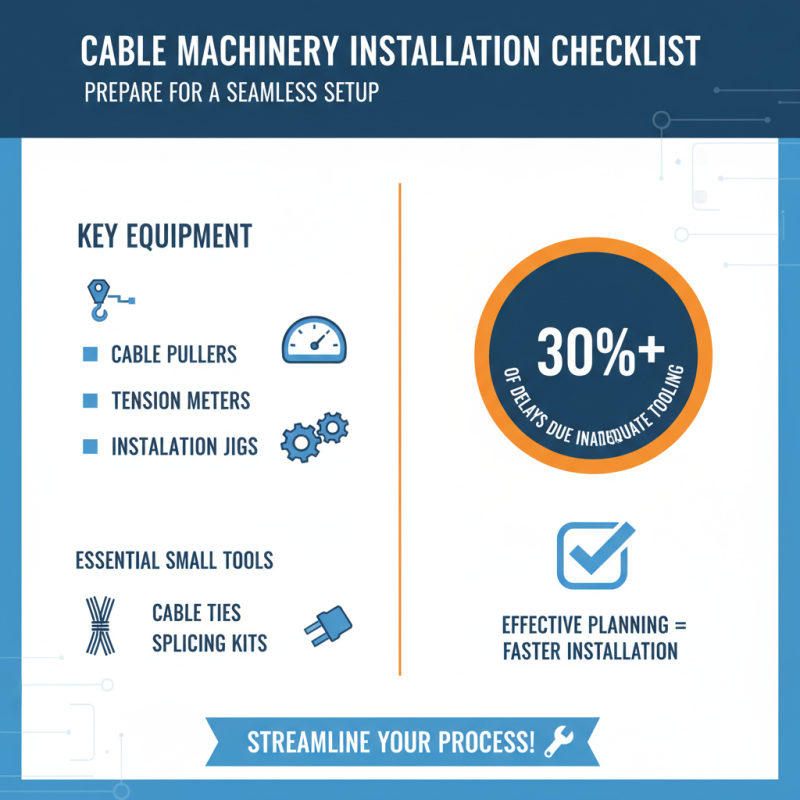
Preparing for a cable machinery installation requires careful planning and the right equipment. An effective installation checklist can help streamline the process. Industry reports indicate that over 30% of installation delays occur due to inadequate tooling. A thorough list should include essential items like cable pullers, tension meters, and installation jigs. Don't overlook smaller tools, like cable ties and splicing kits, which can make a big difference.

Additionally, safety gear is a must. Hard hats, gloves, and safety glasses protect workers. Reports show that workplaces with proper safety measures see a 25% reduction in accidents. Always assess the site before beginning. Ensure that the tools and equipment are compatible with the machinery specifications. Incorrect tools can lead to installation failures, which can be costly. In fact, improperly installed cables can increase maintenance costs by up to 40%.

It's easy to underestimate the importance of organization. Keeping tools in designated areas reduces time wastage. However, many forget to label their tools effectively, leading to confusion. Reflecting on previous installations can illustrate what worked and what didn’t. Regular team meetings to address potential issues before the installation can improve outcomes significantly. A prepared team is a successful team.

Key Safety Protocols for Cable Machinery Handling and Installation

Top 10 Cable Machinery Installation Best Practices for Success?

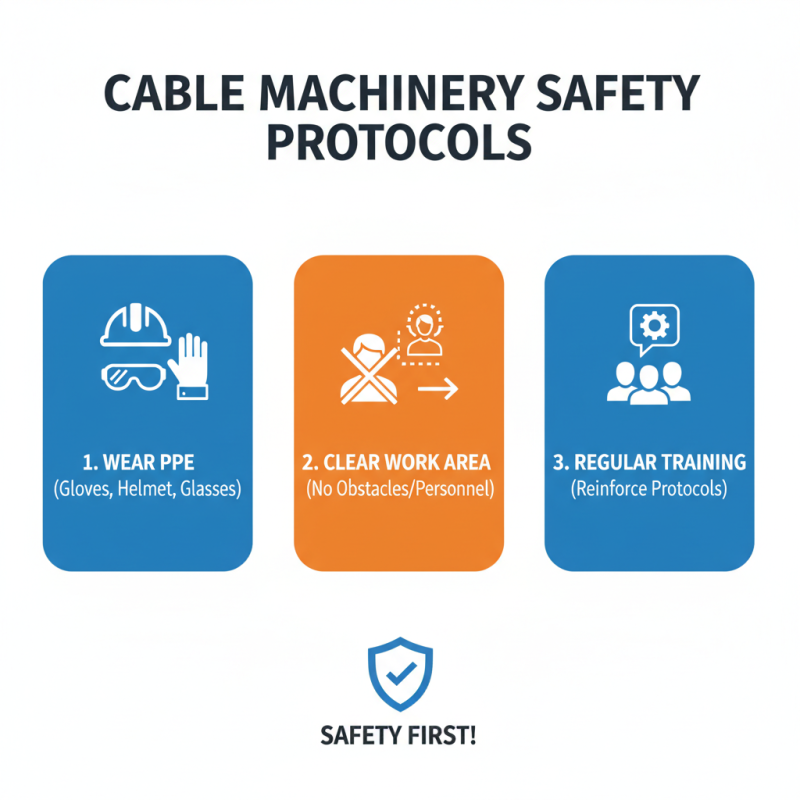
When handling and installing cable machinery, safety is paramount. Workers should wear appropriate personal protective equipment (PPE) such as gloves, helmets, and safety glasses to mitigate risks. It's essential to ensure that the work area is clear of unnecessary personnel and obstacles. This not only protects those involved but also maintains a streamlined operation. Regular training sessions can help reinforce these protocols.

Before installation, a thorough inspection of the machinery is crucial. Check for any signs of wear or damage. Small issues, if overlooked, can lead to significant accidents. Communication among team members plays a vital role too. Everyone should be aware of their responsibilities and the project’s safety measures. Establishing clear signals for lifting operations helps coordinate movements efficiently, reducing risk.

Despite taking precautions, challenges may arise. Equipment might malfunction unexpectedly, leading to delays. Workers may also neglect protocols unintentionally. Regular audits can help identify these gaps. It’s vital to create a culture of safety. Encourage team members to voice concerns or suggest improvements. Continuous reflection on these practices ensures progress towards a safer working environment.

Step-by-Step Procedure for Effective Cable Machinery Installation

Effective cable machinery installation requires careful planning and execution. Start by assessing the site conditions. Ensure that the area is clean and accessible. Identify potential hazards, such as overhead lines or uneven ground. This step often gets overlooked, leading to unexpected challenges later.

Planning the layout is crucial. Use clear markings to indicate equipment placement. This will save time during installation. Verify that all tools and materials are ready. If something is missing, it can delay the process. Collaborate with the team for a shared understanding of the plan. Regular check-ins can help adjust to any unexpected issues that arise.

During installation, maintain open communication. This helps to avoid mistakes. Document the installation process, noting any challenges faced. It’s common to encounter hiccups that need addressing. Learning from these experiences is essential for future projects. Installation isn’t always smooth, and reflection can lead to improvements.

Common Mistakes to Avoid During Cable Machinery Installation Process

Installing cable machinery requires careful planning and execution. Unfortunately, many projects fail due to common mistakes. According to a recent industry report, nearly 30% of cable installation projects experience significant delays. Ignoring proper site preparation is a frequent error. Ensure the area is free from obstacles and hazards. Workers should have clear access to equipment and tools.

It’s also crucial to pay attention to cable handling. Mishandled cables can lead to damage and increased costs. Reports indicate that improper handling contributes to 15% of installation issues. To prevent this, always use proper lifting techniques. Train staff on the right methods for cable management.

Lastly, communication plays a vital role. Inadequate communication can result in misunderstandings. Teams need to be aligned on installation goals. Meetings should be frequent and focused. Utilize project management tools to keep everyone informed. Poor communication may lead to oversights that are hard to correct later. Prioritize these elements for a successful project.

Top 10 Cable Machinery Installation Best Practices for Success

Best Practice Description Common Mistakes to Avoid
Proper Planning Establish a detailed plan and timeline for installation. Skipping the planning phase.
Training Personnel Ensure that all personnel are trained on equipment use. Using untrained personnel.
Safety Procedures Implement safety protocols to minimize risks. Ignoring safety protocols.
Equipment Inspection Conduct a thorough inspection of all equipment before installation. Installing without proper inspection.
Choosing the Right Tools Select appropriate tools for the job to ensure efficiency. Using incorrect or subpar tools.
Cable Routing Plan and execute effective cable routing to prevent damage. Poor cable routing leading to wear and tear.
Documentation Keep detailed records of installation processes and changes. Neglecting documentation, leading to confusion.
Testing After Installation Test all systems thoroughly after installation. Skipping tests which can lead to future issues.
Regular Maintenance Schedule regular maintenance to keep equipment functioning properly. Ignoring maintenance can lead to breakdowns.
Effective Communication Maintain open lines of communication among team members. Poor communication leading to mistakes.