Cable Machinery Installation Tips and Best Practices Guide?
In the world of cable machinery installation, precision is essential. Experts emphasize the importance of a detailed approach. Renowned cable installation expert, John Smith, states, "Every cable machinery installation demands meticulous planning and execution." This advice highlights the need for thorough preparation.
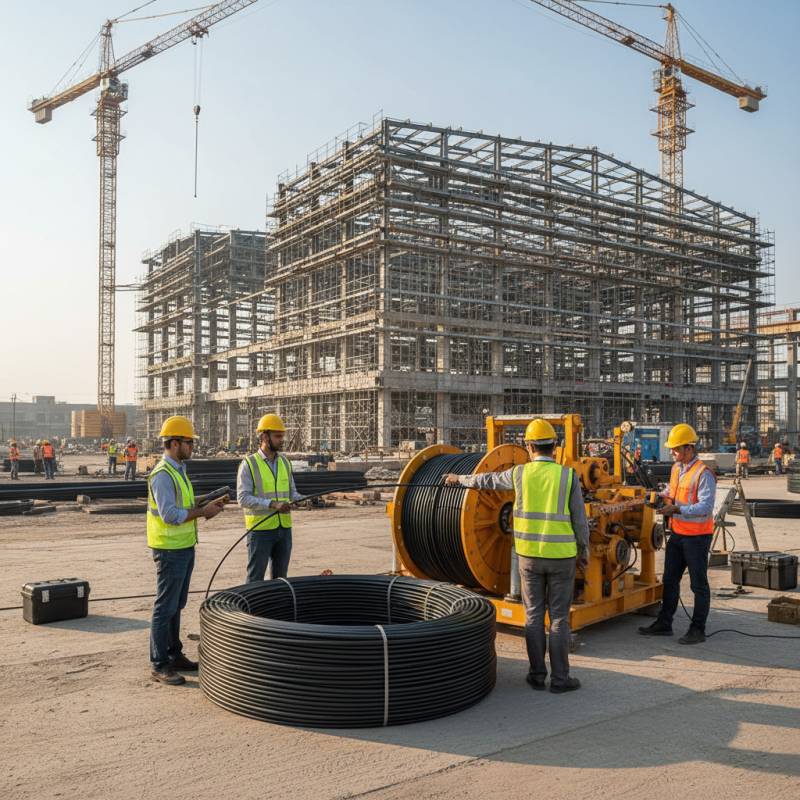
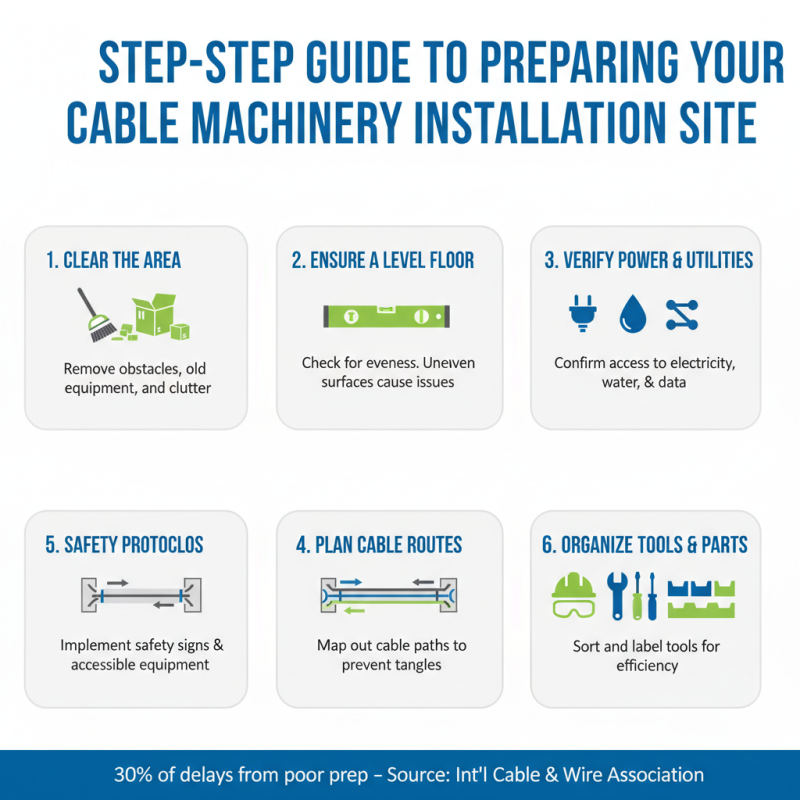
Cable Machinery Installation is not just about machinery; it's about creating an efficient infrastructure. Attention to detail can prevent costly mistakes. Every connection must be secure; every measurement should be verified. A missed step can lead to operational failures.
Installation teams often face challenges. Misalignment, incorrect cable lengths, and inadequate training can hinder progress. Reflecting on these issues is crucial for improvement. Learning from past installations leads to better practices. With each project, there is an opportunity to refine techniques and enhance outcomes.
Understanding Cable Machinery Types and Their Applications
When it comes to cable machinery, understanding the various types available is key. Cable laying equipment, for instance, plays a vital role in infrastructure development. According to industry reports, the global market for cable machinery is expected to reach over $10 billion by 2025. This growth indicates a rising demand for efficient installation solutions.
Different types of cable machinery cater to specific applications. For example, some types are designed for underground cable installation, while others are tailored for overhead lines. Each type has unique operational requirements and limitations. A study revealed that 30% of installation projects face delays due to equipment mismatches. This highlights the importance of choosing the right machinery for the job.
Efficient use of cable machinery relies on proper training and installation techniques. A common oversight is neglecting routine maintenance. Without it, machinery efficiency can drop significantly. In fact, poor maintenance accounts for nearly 20% of project delays. Reflecting on these points, it’s clear that understanding machinery types and their intended applications can save valuable time and resources.
Essential Safety Precautions During Cable Machinery Installation
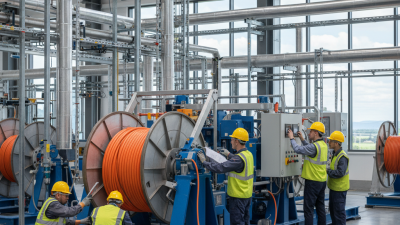
When installing cable machinery, safety must come first. Reports highlight that 34% of workplace accidents involve improper equipment use or installation errors. Workers often overlook essential procedures. This can lead to serious injuries and equipment damage.
A proper safety assessment should include a checklist. Are all workers wearing appropriate personal protective equipment? Are the electrical systems properly grounded? A common mistake is to underestimate the importance of clear communication. Misunderstandings can result in significant risks. Each team member needs to understand their responsibilities.
Regular training sessions can reduce the likelihood of accidents. Research indicates that companies with ongoing safety training see a 20% reduction in incidents. Setting up barriers around installation areas is also crucial. Inadequate barriers can lead to unauthorized personnel entering hazardous zones. No matter how experienced the team, complacency is not an option. Continuous reinforcement of safety practices is critical.
Best Practices for Cable Handling and Installation Techniques
When installing cable machinery, proper handling is key. Using the right techniques can prevent damage. Avoid dragging cables across rough surfaces. This can cause wear and tear that shortens their lifespan. Instead, gently lay cables down. Use cable trays or hangers where possible. This keeps them organized and protected.
Always check the cable specifications. Misunderstanding the ratings can lead to problems. For instance, bending a cable too much can create weak points. Aim for a gentle curve in connections. This ensures reliability and safety. Also, remember to verify connections regularly. Loose connectors can cause interruptions.
Training the team on best practices can help too. Sometimes, people overlook simple mistakes. Over time, this can compound issues. Foster a culture of careful handling. Encourage questions and discussions. This way, everyone learns and improves. Remember, it’s about creating a reliable installation for the long term.
Cable Machinery Installation Tips and Best Practices Guide
| Tip |
Description |
Best Practices |
| Cable Preparation |
Ensure all cables are undamaged and properly cut to required lengths. |
Use appropriate tools for cutting to prevent fraying. |
| Proper Handling |
Avoid dragging cables across rough surfaces to prevent damage. |
Always carry cables, do not pull them. |
| Storage Solutions |
Store cables in a clean, dry area to prevent moisture damage. |
Use cable reels or boxes to organize cables. |
| Installation Techniques |
Follow manufacturer guidelines for installation to ensure compatibility. |
Use only approved connectors and fittings. |
| Testing |
Test all connections before finalizing installations to ensure functionality. |
Utilize appropriate testing equipment for cables. |
Tips for Testing and Maintaining Installed Cable Machinery
Testing and maintaining installed cable machinery are crucial for ensuring longevity and optimal performance. Regular checks can prevent costly downtime. According to industry data, 20% of machinery failures stem from inadequate maintenance. This statistic underscores the importance of a robust maintenance schedule.
Monitoring crucial components like connectors, terminals, and insulation can help detect issues early. Visual inspections should occur at least once a month. Additionally, implementing thermal imaging can identify overheating components. Studies indicate that electrical failures can increase maintenance costs by up to 30% if not addressed promptly. It's imperative to prioritize these testing methods.
Moreover, operators often overlook minor wear and tear signs. Noticing frayed cables or loose connections can save significant repair costs. To maintain efficiency, consider investing in automated monitoring systems. These systems can provide real-time data, notifying technicians of potential failures. Balancing proactive testing with reactive maintenance is key, yet many still underestimate the value of consistent reviews and updates in their approach.
Cable Machinery Installation - Performance Metrics