What is Cable Manufacturing Machines and How Do They Work?
Cable Manufacturing Machines play a crucial role in the production of various cables used in telecommunications, electricity, and other industries. According to industry reports, the global cable manufacturing market was valued at approximately $136 billion in 2021 and is projected to grow at a CAGR of 6.1% from 2022 to 2030. This growth highlights the increasing demand for efficient and high-quality cable production.
These machines encompass various types, including wire drawing, extrusion, and stranding equipment. Each machine serves specific functions that contribute to the overall manufacturing process. For instance, the extrusion process is vital for producing insulated cables, with precise temperature control ensuring optimal material performance. However, there remain challenges in maintaining energy efficiency and minimizing material waste.
Despite advancements, the industry must address sustainability issues. Inefficient practices can hurt the environment and inflate production costs. There’s a pressing need for future innovations in Cable Manufacturing Machines. Embracing technology like IoT and AI could enhance productivity and reduce resource consumption. Balancing efficiency with sustainability will be essential for the future of cable manufacturing.
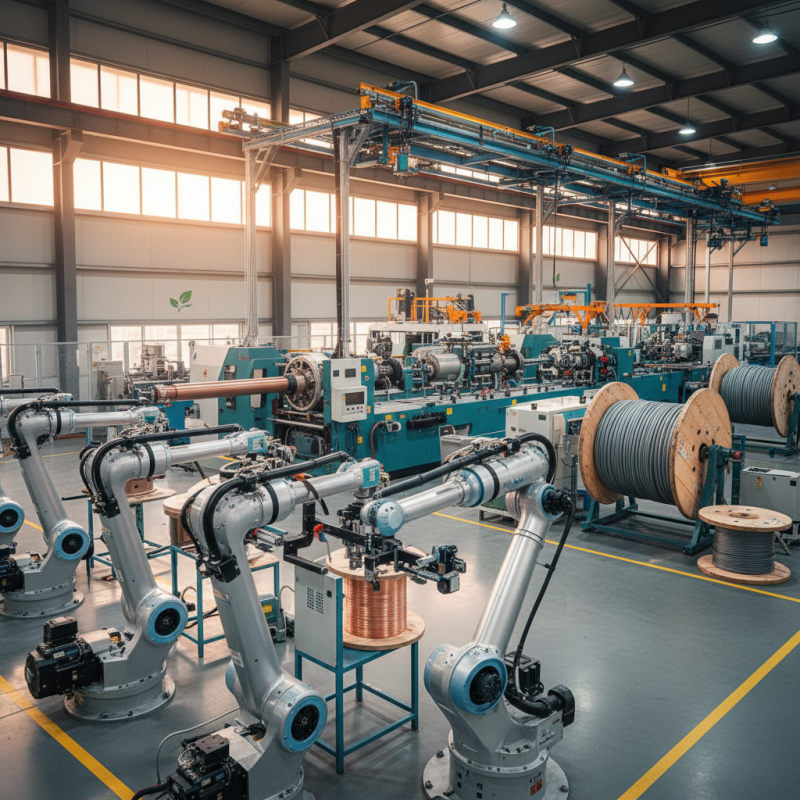
What is Cable Manufacturing and Its Importance in Industry
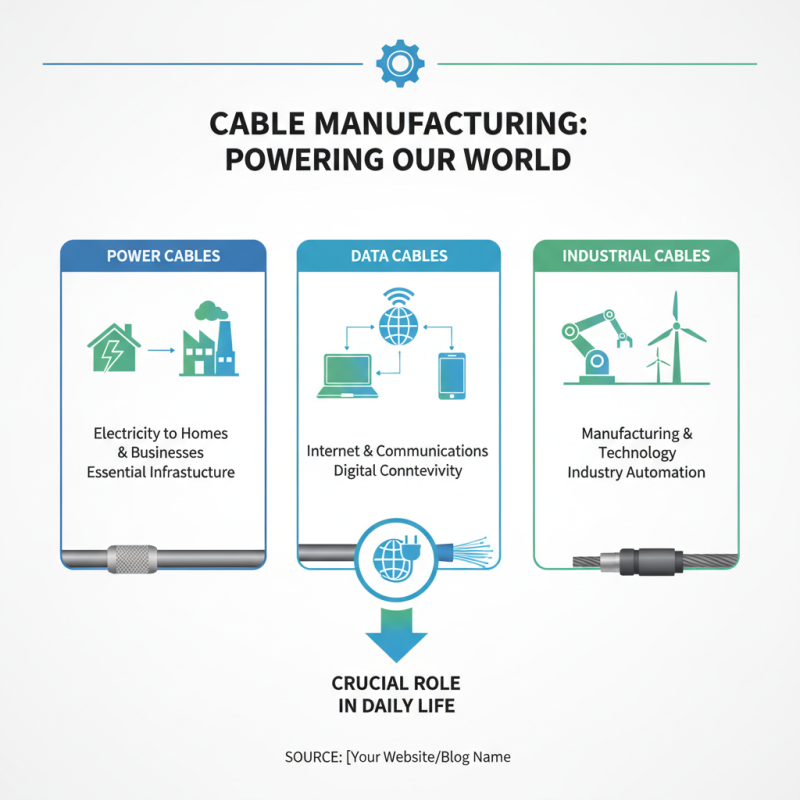
Cable manufacturing plays a crucial role in various industries. It involves producing cables that power our infrastructure, communications, and technology. For instance, power cables ensure electricity flows to homes and businesses. Data cables enable internet connectivity, essential in today's digital age. This manufacturing process is not merely technical; it significantly impacts daily life.
Each cable has unique specifications based on its purpose. Some wires need to withstand extreme temperatures, while others must be flexible. This diversity requires intricate designs and proper material choices. Workers face challenges in meeting these specifications consistently. Mistakes can lead to product failure, which is costly. Also, the safety of end-users is paramount. Ensuring quality control during production is not always straightforward.
The importance of cable manufacturing extends beyond the production floor. It supports industries like construction and telecommunications. With ongoing technological advancements, the demand for innovative cables continues to grow. Yet, the industry must reflect on its environmental practices as well. Reducing waste and improving recycling processes can be tough. Companies must adapt while navigating these challenges. Each step taken in cable manufacturing shapes the future of connectivity and energy distribution.
Types of Cable Manufacturing Machines and Their Functions
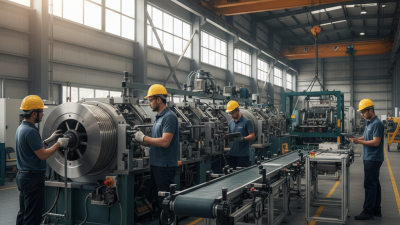
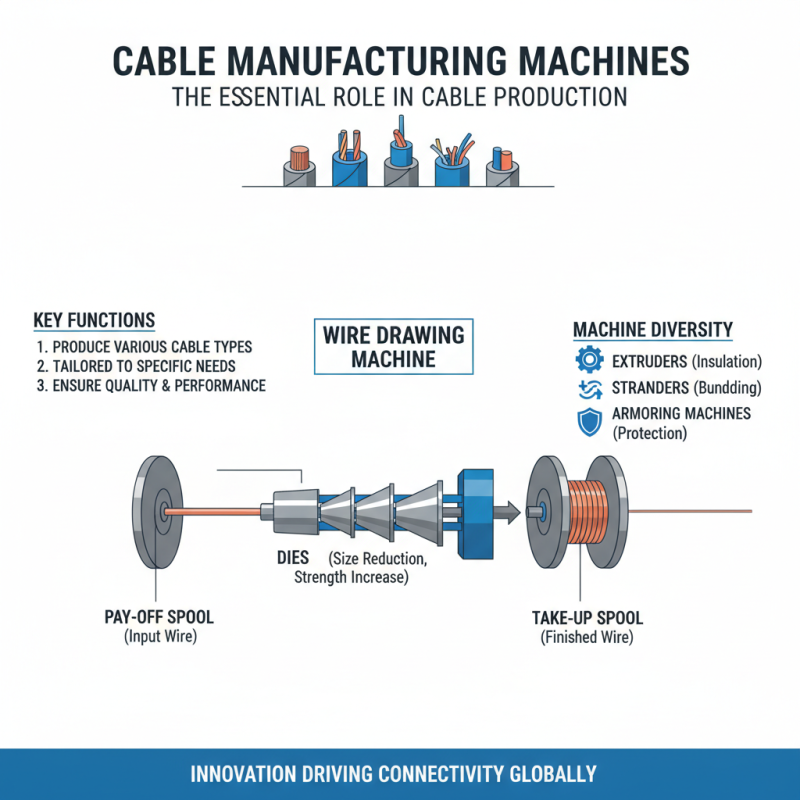
Cable manufacturing machines play a crucial role in producing various cable types. These machines vary in design and function, tailored to specific cable requirements. One common type is the wire drawing machine. This machine pulls metal wire through a series of dies, reducing its diameter while increasing tensile strength.
Another essential machine is the stranding machine. This device twists together multiple wire strands, creating a more durable cable. The design allows for flexibility and improves electrical conductivity. Insulation machines also play a vital role. They apply insulating materials to the wires, essential for protecting them during use.
However, the operational efficiency of these machines can sometimes be questionable. Regular maintenance is often overlooked, leading to performance issues. Manufacturers might struggle with quality control, resulting in inconsistent cable products. It's an ongoing challenge to balance speed with quality in production. Each type of machine requires skilled operators who understand these complexities. The learning curve can be steep, and mistakes may occur.
The Cable Manufacturing Process: Step-by-Step Overview
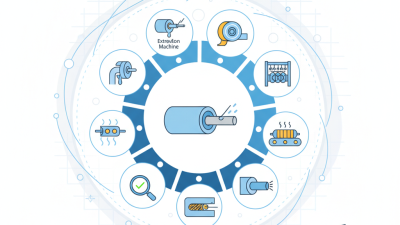
The cable manufacturing process involves several critical steps. It starts with preparing raw materials, commonly copper or aluminum. These materials undergo wire drawing, which reduces their diameter. Next, they are insulated using plastic or rubber coatings. The quality of insulation is vital. Poor insulation can lead to failures.
In the next phase, the cables are twisted together to form multi-strand conductors. This increases flexibility and conductivity. Recent industry reports indicate that over 60% of cable failures are due to insulation faults. Manufacturers must focus on quality control to mitigate these risks.
**Tip:** Regular testing of insulation can enhance safety and reliability.
After twisting, cables undergo an extrusion process. This applies a protective outer layer. Surprising to many, this layer can account for up to 20% of a cable's total cost. Choosing the right materials is crucial here. Mistakes can lead to increased expenses and subpar products.
**Tip:** Invest in employee training. A skilled workforce can ensure better production quality.
Overall, understanding these steps is essential for anyone in the industry. There’s always room for improvement. Manufacturers need to analyze their processes and strive for excellence.
What is Cable Manufacturing Machines and How Do They Work? - The Cable Manufacturing Process: Step-by-Step Overview
| Step Number |
Process Stage |
Description |
Machines Involved |
| 1 |
Wire Drawing |
Converts large diameter wires into thinner wires. |
Wire Drawing Machines |
| 2 |
Stranding |
Combines multiple wires into strands for improved flexibility. |
Stranding Machines |
| 3 |
Insulation |
Applies an insulating layer to prevent electrical leakage. |
Insulation Extruders |
| 4 |
Jacketing |
Encases the insulated wires with protective outer layers. |
Jacketing Machines |
| 5 |
Testing |
Ensures the cables meet electrical and physical specifications. |
Test Equipment |
| 6 |
Packaging |
Prepares the cables for shipment and storage. |
Packaging Machines |
Key Technologies and Innovations in Cable Production Machinery
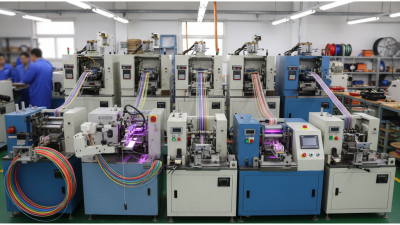
Cable manufacturing machines are sophisticated and pivotal in producing electrical cables. Key technologies in cable production now focus on automation, precision, and innovative materials. Industry advancements include the use of computer numerical control (CNC) systems. These systems ensure exact measurements and improved efficiency.
Another significant innovation involves the integration of AI and IoT. These technologies allow for real-time monitoring of manufacturing processes. This leads to better quality control and reduced waste. Nonetheless, the complexity of these systems can pose challenges. Companies must train staff adequately to handle advanced machinery.
Tips: Always maintain your equipment. Regular maintenance can prevent costly breakdowns. Explore emerging technologies continually. Staying updated can give you a competitive edge. Embrace flexibility in your production lines. Adaptability is key in a fast-changing market.
Industry Standards and Quality Control in Cable Manufacturing
In the cable manufacturing industry, maintaining high standards is crucial. Quality control begins early in the production process. Each component, whether metal or insulation, undergoes rigorous testing. This ensures that the final product meets safety and performance benchmarks. Manufacturers often use advanced machinery to monitor these standards. However, not every manufacturer adheres to these critical practices.
Deficiencies can occur in various forms. Sometimes, raw materials are not tested thoroughly. This oversight can lead to significant issues later. For example, weak insulation can result in unsafe products. Regular audits are essential. They help identify discrepancies and enforce compliance with industry standards. Yet, some facilities may falter in their internal checks, putting their reputation at risk.
Ultimately, maintaining quality in cable manufacturing is an ongoing challenge. Workers must be trained frequently to adapt to evolving standards. Emphasizing a culture of quality assurance can lead to better outcomes. However, complacency can creep in, risking the integrity of the manufacturing process. Striking a balance between efficiency and quality is vital for long-term success.
Cable Manufacturing Machines Production Data