Why Choose the Best Cable Stranding Equipment for Your Needs?
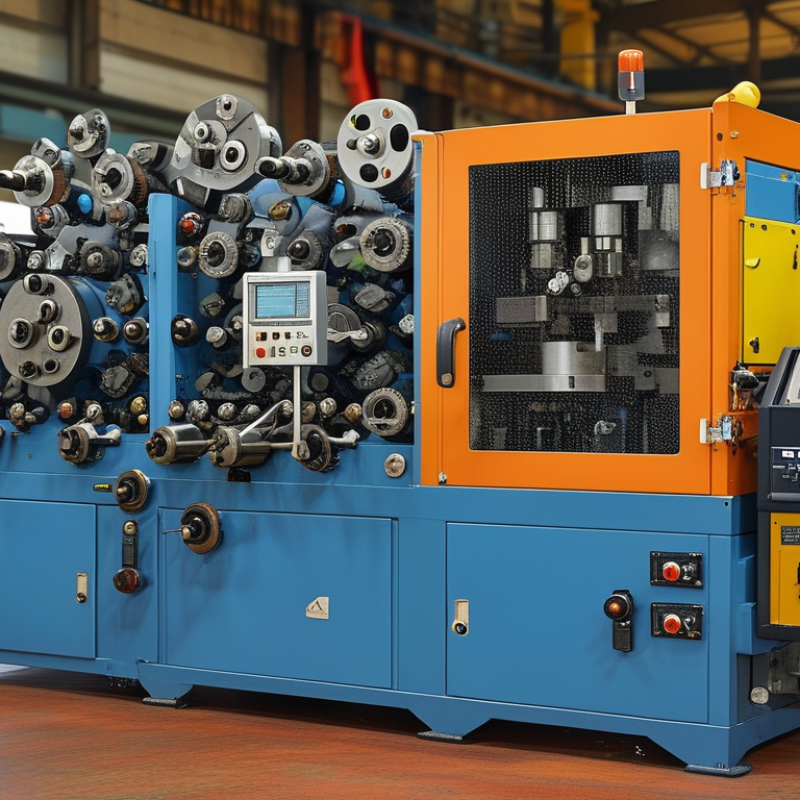
Investing in the right Cable Stranding Equipment is crucial for any manufacturing operation. Expert Richard Thompson, a leading engineer in this sector, emphasizes, "The right equipment can significantly impact production efficiency." Choosing the proper machinery can streamline processes and reduce costs.
Cable stranding is a complex task. The quality of equipment directly affects the final product. Businesses often face the challenge of balancing cost and quality. A cheap machine might seem appealing but can lead to long-term losses.
Understanding the nuances of Cable Stranding Equipment is essential. Each project has unique needs, from cable type to production volume. Therefore, careful consideration and expert advice are key in making an informed decision.
Why Quality Cable Stranding Equipment is Essential for Production Efficiency
In the cable manufacturing sector, choosing quality cable stranding equipment is vital for achieving production efficiency. The importance of effective stranding cannot be overstated. According to a recent market report, nearly 40% of cable production defects arise from improper stranding practices. This statistic underlines the need for precise stranding machines that meet industry standards. Quality equipment minimizes these defects, ensuring that products are reliable and durable.
Efficiency in cable production is closely linked to the technology used in stranding equipment. Innovative designs and advanced materials can lead to a reduction in energy consumption by up to 30%. Companies that invest in high-quality stranding equipment often see a significant increase in output. However, many manufacturers overlook this aspect, leading to operational inefficiencies. Reviews from industry professionals indicate that outdated machinery often results in frequent breakdowns and higher maintenance costs.
While cost considerations are significant, it’s important to reflect on the long-term benefits of investing in superior equipment. The initial expenditure may be higher, but the reduction in waste and increase in productivity can yield better returns. Moreover, selecting reliable equipment fosters a culture of quality within the production process. This approach will ultimately set a company apart in a competitive market.
Why Choose the Best Cable Stranding Equipment for Your Needs?
| Feature |
Description |
Importance |
| Production Speed |
The rate at which the equipment can produce stranded cables. |
High speed leads to increased productivity and reduced labor costs. |
| Precision |
The accuracy with which the equipment can strand wires. |
Precision ensures high-quality cables and minimizes wastage. |
| Durability |
The ability of the equipment to withstand wear and tear over time. |
Durable equipment reduces maintenance costs and downtime. |
| Energy Efficiency |
How much power the equipment uses during operation. |
Energy-efficient machines lower operational costs and environmental impact. |
| Operator Safety |
Safety features included in the design of the equipment. |
Enhanced safety features prevent workplace accidents and injuries. |
Key Features to Look for in Cable Stranding Machines: A Technical Overview
Selecting the right cable stranding equipment is essential for optimal performance and efficiency. When choosing a cable stranding machine, key features play a crucial role. Consider the machine's production speed. Many industry reports indicate that machines with higher speeds boost productivity by up to 30%. This can significantly reduce labor costs and lead times.
Flexibility is another vital aspect. A machine capable of accommodating various cable sizes and types enhances versatility. Research shows that flexible machines can adapt to shifts in market demands, ensuring you stay competitive. The ease of maintenance impacts long-term viability too. Equipment that requires less downtime can save substantial operating costs. Look for machines with user-friendly interfaces and accessible parts.
Tips for ensuring you select the best equipment include evaluating the machine's energy efficiency. Reports indicate that energy-efficient models can reduce operational costs by 20%. User feedback is crucial; insights from experienced operators give a realistic view of performance. Consider long-term support options from suppliers. A reliable supplier can provide essential maintenance and upgrades, thereby protecting your investment over time.
Analysis of Key Features in Cable Stranding Machines
Comparative Analysis of Cable Stranding Equipment: Cost vs. Performance
Selecting the right cable stranding equipment is crucial for optimizing production. A comparative analysis reveals that cost and performance are often at odds. Some models offer lower initial costs but compromise on long-term durability or efficiency. Serious buyers must weigh these factors carefully.
When making a decision, consider the total cost of ownership. Equipment that seems inexpensive upfront may incur higher maintenance and energy costs over time. Always assess the warranty and service agreements. A robust warranty can indicate a manufacturer’s confidence in their product.
Tip: Research industry standards to understand what performance metrics matter most for your specific application. Examine case studies to see how others have benefited from particular equipment.
Performance should never be sidelined. Faster speeds may seem appealing, yet they can lead to increased waste if the setup is not optimized. Aim for equipment that balances speed and quality, ensuring a negligible defective rate.
Tip: Request demos or trials to better understand the equipment's capabilities and limitations. Getting hands-on experience is invaluable.
Impact of Advanced Technology on Cable Stranding Process and Output
The cable stranding process has dramatically improved due to advanced technology.
Modern stranding equipment can increase speed and precision.
A study from the Wire Association International reveals that production efficiency can rise by up to 25% with the right tools.
This efficiency leads to higher output and lower operational costs, enhancing profitability.
Automation in cable stranding allows for real-time adjustments.
Equipment equipped with intelligent sensors monitors tension and alignment continuously.
This results in fewer defects and waste material.
The same study notes a significant reduction in error rates, showing a decrease of 30% in faulty strands.
However, the transition to this technology requires an investment that some manufacturers might hesitate to undertake.
Moreover, training staff to operate these advanced machines is essential.
A lack of skilled labor can hinder the potential benefits of new equipment.
Companies may face a steep learning curve.
It’s critical to weigh these challenges against the long-term advantages of adopting advanced stranding technology.
Balancing investment and expertise remains a key consideration for many in the industry.
Industry Standards for Cable Stranding Equipment: Ensuring Compliance and Safety
When selecting cable stranding equipment, compliance with industry standards is critical. Non-compliance can lead to safety hazards and operational inefficiencies. According to industry data, 30% of equipment failures are linked to standards violations. Ensuring that your equipment meets these benchmarks not only safeguards workers but also enhances productivity.
Safety standards like ISO 9001 and IEC 60204-1 govern the design and performance of cable stranding machines. A recent study highlighted that companies adhering to these standards see a 25% reduction in workplace accidents. This underscores the importance of choosing equipment that aligns with recognized criteria.
Investing in quality equipment may initially increase costs. However, long-term savings often outweigh these expenses. Regular audits and compliance checks can identify weaknesses in performance. Such reflections can help improve not just compliance, but also machine efficiency over time. The decision to prioritize standards is not merely procedural; it is a commitment to safety and excellence in production.