How to Choose the Best Second-Hand Cable Armoring Machine?
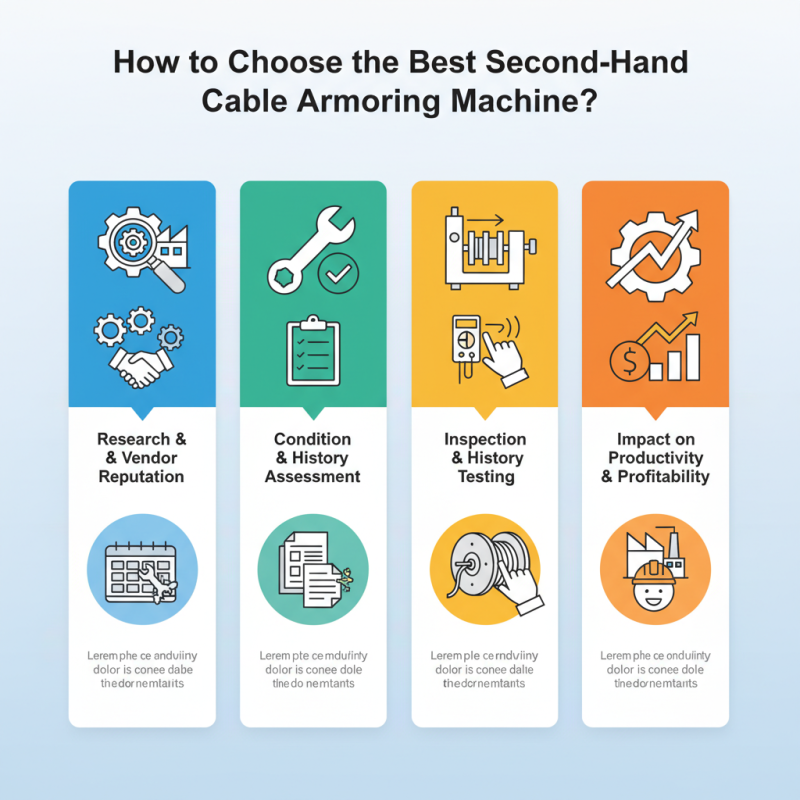
Choosing the right second-hand cable armoring machine can significantly impact production efficiency. This process involves careful evaluation and consideration. When purchasing a second-hand machine, it’s essential to assess its condition, history, and compatibility with your production needs. Many machines come with wear and tear, which could lead to unexpected breakdowns and increased costs.
Research is crucial in this decision-making. Look for trusted vendors who specialize in second-hand machinery. Their reputation can often guide your choice. Be wary of machines that seem too good to be true. They may come with hidden issues that could jeopardize your operations.
Inspection and testing should not be overlooked. Examine the machine thoroughly before purchase. Ask for records of maintenance and previous usage. This diligence will help ensure reliability and effectiveness. In the long run, a well-chosen second-hand cable armoring machine can enhance productivity and profitability, but missteps can lead to challenges that reflect poorly on your business.
Understanding Cable Armoring Machines: A Brief Overview
Cable armoring machines play a crucial role in the manufacturing of armored cables. These cables are often used in harsh environments where protection from external conditions is vital. A well-functioning machine can significantly impact efficiency and product quality. According to industry reports, the demand for armored cables is expected to grow by 5.2% annually. This highlights the need for reliable and effective armoring equipment.
Understanding how these machines work is essential for optimizing production. Cable armoring involves applying protective layers such as steel or aluminum to the cable. Different types of armoring machines cater to various materials and specifications. Studies have shown that improperly chosen machines can lead to a higher defect rate, impacting overall productivity.
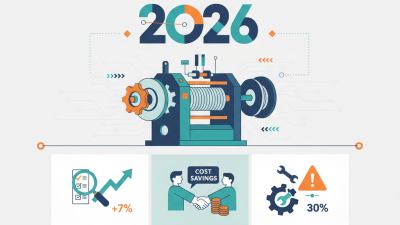
Maintenance and calibration are also critical aspects. Regular checks can prevent costly downtime. Research highlights that 30% of machine failures stem from inadequate upkeep. A machine's performance may seem satisfactory, but unnoticed issues can escalate. The right choice ultimately balances quality, efficiency, and sustainability.
Key Factors to Consider When Choosing a Second-Hand Machine
When selecting a second-hand cable armoring machine, key factors play a crucial role. Condition is paramount. Inspect the machine thoroughly. Look for signs of wear, rust, or damage. Check if it has been maintained correctly. A well-maintained machine often lasts longer and performs better.
Another vital aspect is the machine’s specifications. Understand your production needs. Does the machine meet those requirements? Consider the types of cables you will be processing. Compatibility with various materials is essential for flexibility in production. Seek machines that are versatile yet reliable.
Tips: Always request a demonstration before purchasing. This allows you to see the machine in action. Moreover, review the availability of spare parts. Continuous support matters greatly. It can save you time and money in the long run. Do not underestimate the importance of professional advice. Consult industry experts if needed. Their insights can guide you in making an informed choice. Reflect on these aspects to ensure a worthwhile investment.
Key Factors to Consider When Choosing a Second-Hand Cable Armoring Machine
Evaluating the Condition and Performance History of the Equipment
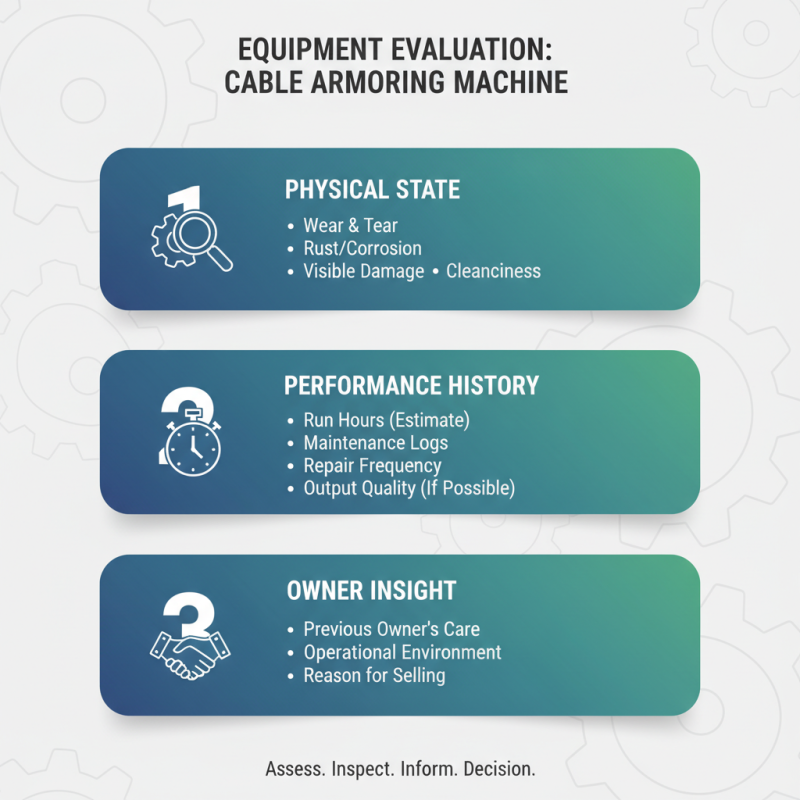
When evaluating a second-hand cable armoring machine, assessing its condition and performance history is crucial. Begin by examining the machine's physical state. Look for signs of wear, rust, or damage. Inspecting the machinery closely can reveal hidden issues that might affect its operation. A well-maintained machine often indicates a responsible previous owner.
Performance history is equally vital. Request service records and maintenance logs. These documents can shed light on past repairs and regular upkeep. Machines with comprehensive maintenance histories tend to be more reliable. Prioritize equipment that has been serviced by experienced professionals. This can help you avoid potential breakdowns and costly repairs.
Tips: Always perform a test run. This provides insight into the machine's functionality. Pay attention to any unusual noises or vibrations. They might indicate underlying problems. Additionally, engage with the previous owner if possible. Their insights could be invaluable. Remember, an informed decision is the best decision.
Comparing Brands and Models for Reliability and Efficiency
Choosing a second-hand cable armoring machine can be challenging. Reliability and efficiency are critical. In the past decade, the demand for such machines has surged. A recent industry report highlighted that used cable machinery expenditures grew by 25% from 2020 to 2023. This indicates the importance of selecting machinery wisely.
When comparing brands and models, check for user reviews and performance data. Many reports suggest that user satisfaction can vary widely. Not all brands deliver consistent results. Operational efficiency often depends on the machine's condition and history. Machines used for heavy production may show more wear and require more frequent repairs.
Look for performance metrics, such as throughput rates and downtime statistics. Studies show that reliable machines can increase production efficiency by up to 40%. However, older models might need upgrades or maintenance to meet today’s standards. Always inspect machines for signs of heavy use. Understanding the historical performance of specific models is essential before making a purchase.
Budget Considerations and Value Assessment for Second-Hand Purchases
When considering the purchase of a second-hand cable armoring machine, budget becomes a critical factor. An effective assessment requires a clear understanding of your financial limits. Look for machines that fit your operational needs without overspending. Prices can vary significantly based on age, condition, and specifications. Researching average costs can help avoid overpaying.
Evaluating value in a second-hand machine goes beyond price. Assess the machine's performance history. Has it been maintained properly? Check for any repairs or parts replacements. Small repairs could indicate larger underlying issues. Ask for usage documentation if available. This will provide insights into its reliability and efficiency.
Understanding potential hidden costs is essential. Shipping, installation, and warranty can add up. Always factor these into your budget. While a bargain may seem appealing, the long-term costs could outweigh the initial savings. Balancing the immediate price with future operating expenses will lead to a more informed decision.
How to Choose the Best Second-Hand Cable Armoring Machine? - Budget Considerations and Value Assessment for Second-Hand Purchases
| Criteria |
Description |
Average Price (USD) |
Expected Lifespan (Years) |
Maintenance Cost (USD/Year) |
| Condition |
Check for wear and tear, functionality |
3,000 |
10 |
300 |
| Brand Reputation |
Evaluate reviews and reliability |
2,800 |
10 |
250 |
| Technology |
Latest features and efficiency |
4,500 |
12 |
400 |
| Parts Availability |
Ease of sourcing spare parts |
3,200 |
8 |
200 |
| Warranty |
Check for remaining or offered warranty |
3,100 |
9 |
150 |