How to Choose the Best Second-Hand Optical Fiber Coating Machine?
The demand for optical fiber technology is rising. Reports indicate that the market for optical fiber coatings is expected to reach $5 billion by 2026. As industries embrace faster and more efficient data transmission, more manufacturers consider purchasing a Second-Hand Optical Fiber Coating Machine.
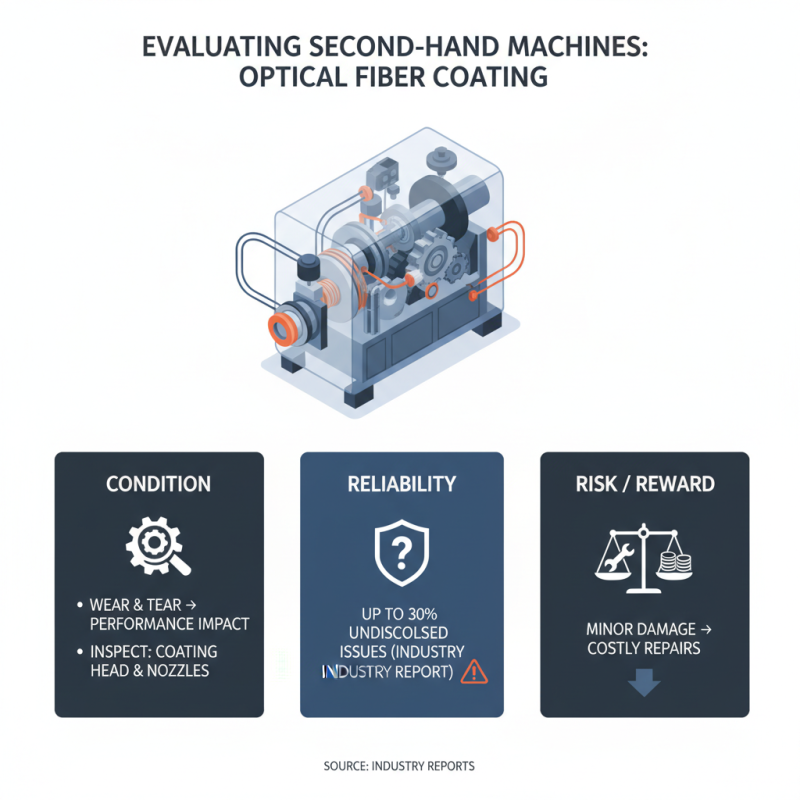
Choosing a second-hand machine can be challenging. Buyers must focus on quality and reliability while balancing costs. Many companies report that nearly 30% of used machinery does not meet required standards. This figure highlights the need for thorough inspections and comprehensive evaluations before making a purchase.
Though buying second-hand seems cost-effective, hidden issues often arise. Experienced users recommend checking the machine's maintenance history and performance records. It’s essential to prioritize machines that have been well maintained. Undoubtedly, there are deals to be found, but caution is needed to avoid costly mistakes.
Understanding the Types of Optical Fiber Coating Machines Available
When selecting a second-hand optical fiber coating machine, understanding the types available is crucial. There are several categories based on their functionality. Some machines primarily apply coatings, while others focus on curing and stripping. The features can differ significantly across models. Look for machines that offer versatility for various fiber diameters and coating types.
Consider the technology used in these machines. Some may use UV curing methods, while others rely on thermal processes. Machines with advanced technology often yield better results. However, older devices may require more maintenance. Investigating the machine's history can reveal potential issues.
You should also reflect on the size and layout of your workspace. Some machines are compact, while others require substantial space. Larger machines might offer higher output but could be less practical for small operations. Pay attention to support and parts availability. This can significantly impact the long-term usability of the machine you choose. It's essential to weigh benefits against your specific needs.
Assessing the Technical Specifications and Features Required
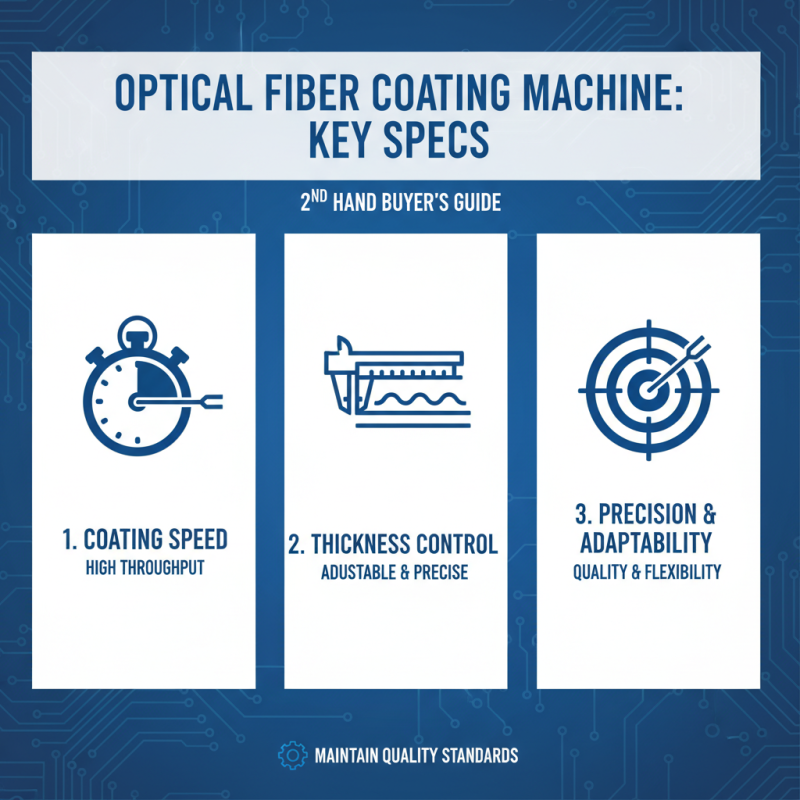
When choosing a second-hand optical fiber coating machine, understanding its specifications is essential. Focus on key features like coating speed, thickness control, and precision. A machine that can adjust coating thickness easily adapts to different fiber types. This flexibility is crucial for maintaining quality standards.
Additionally, assess the machine's age and past usage. Machines that have been heavily used may have wear and tear. Look for signs of maintenance history as well. Check components such as the heating and cooling systems. These affect overall performance and can be costly to repair.
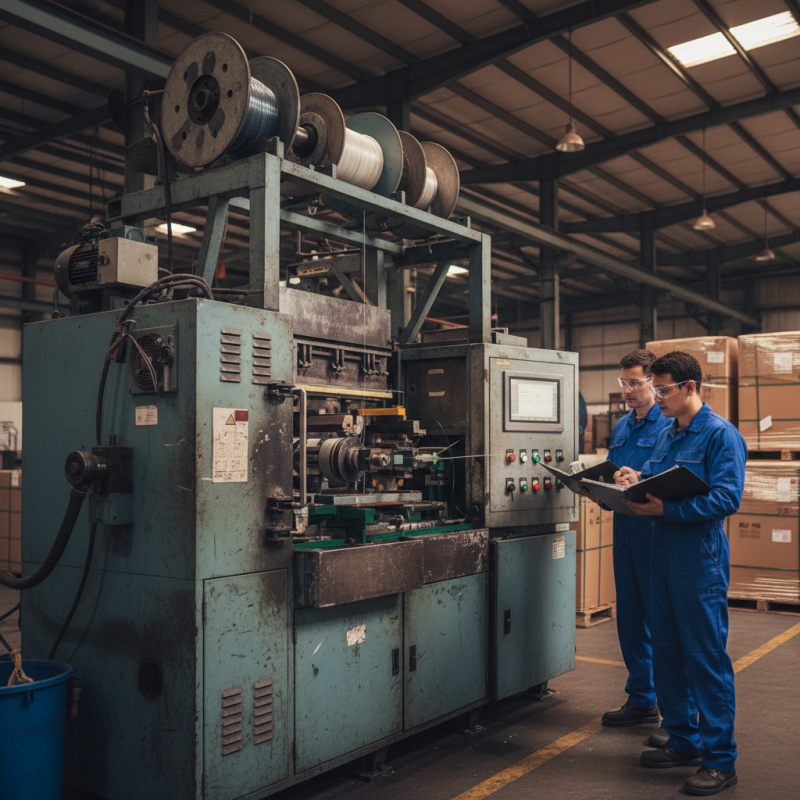
Finally, consider user-friendliness. A complicated interface might hinder productivity. Ideally, the machine should come with a detailed manual. Inspecting the machine physically can reveal hidden issues. Ensure the parts are intact and functioning. It’s a balance between budget and performance that often poses a challenge.
Identifying Reputable Sellers and Sources for Purchase
When choosing a second-hand optical fiber coating machine, it's crucial to identify reputable sellers. A recent industry report highlighted that over 30% of used machines have hidden defects. This statistic underscores the importance of thorough research before any purchase.
Look for feedback from previous buyers. Online forums and review sites are valuable resources. Check the seller's history and their response to customer concerns. Transparency can be a red flag or a green light.
Tip: Always ask for maintenance records. Machines that have been well-maintained will show fewer issues.
Inspect the equipment in person if possible. Visual checks can reveal more than photos. Don't hesitate to ask specific questions about the machine's performance. Sellers should be willing to provide details about operational history.
Tip: Consider third-party evaluations. An expert's opinion can save time and money.
Ultimately, the choice of a second-hand machine should involve careful consideration. Rushed decisions often lead to regret. Do your homework and ensure that the equipment meets your needs.
Considering Maintenance and Support Options After Purchase
When choosing a second-hand optical fiber coating machine, maintenance and support options are crucial. You want a reliable machine and ongoing assistance. Researching these aspects can save time and money later.
Check the machine's history. Has it undergone regular maintenance? Ask for records. Look for potential issues. A well-maintained machine is more likely to function without problems. Unmaintained machines can lead to costly repairs or downtime.
Evaluate the support options available. Does the seller offer a warranty? A solid warranty can provide peace of mind. Consider the availability of spare parts. You may need them down the line. Research the local service providers. Quick access to support can keep your operations running smoothly.
**Tips:** Always request a demonstration. It helps to see the machine in action. Ask current users about their experiences. Their insights can be invaluable. When in doubt, consider your long-term needs. A machine may seem ideal now but could fall short later.
How to Choose the Best Second-Hand Optical Fiber Coating Machine? - Considering Maintenance and Support Options After Purchase
| Feature |
Importance Level |
Maintenance Frequency |
Support Availability |
Estimated Costs ($) |
| Heating System |
High |
Quarterly |
24/7 Support |
500 |
| Cooling System |
Medium |
Semi-Annually |
Business Hours |
300 |
| Control Panel |
High |
Monthly |
24/7 Support |
700 |
| Laser Alignment |
High |
Annually |
Limited |
600 |
| Safety Features |
Medium |
As Needed |
8 AM - 6 PM |
200 |