2026 How to Choose Optical Fiber Cable Machinery for Your Business Needs?
Choosing the right Optical Fiber Cable Machinery is crucial for any business involved in telecommunications or data transmission. The market offers a variety of options, but not all may suit your specific needs. It's essential to consider several factors before making a decision.
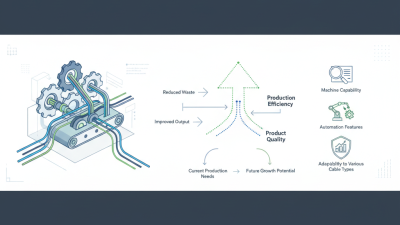
Firstly, evaluate the production capacity you require. Some machines can handle high output, while others are designed for smaller operations. Think about your long-term goals. Will your demand increase over time? Additionally, analyze the technology used in the machinery. Advanced features might improve efficiency but could also raise the costs significantly.
Consider the ergonomics and user-friendliness of the machines. Complex systems can lead to confusion and mistakes during operation. Always seek feedback from current users of the Optical Fiber Cable Machinery you are considering. Their insights can reveal strengths and weaknesses not found in product descriptions. It's vital to reflect on these elements to make a well-informed choice for your business.
Understanding Optical Fiber Cable Machinery: An Overview
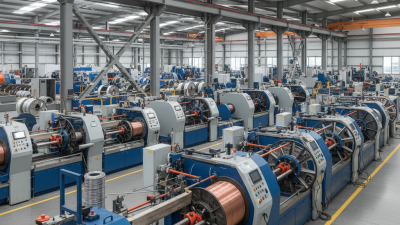
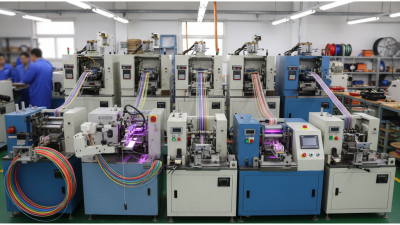
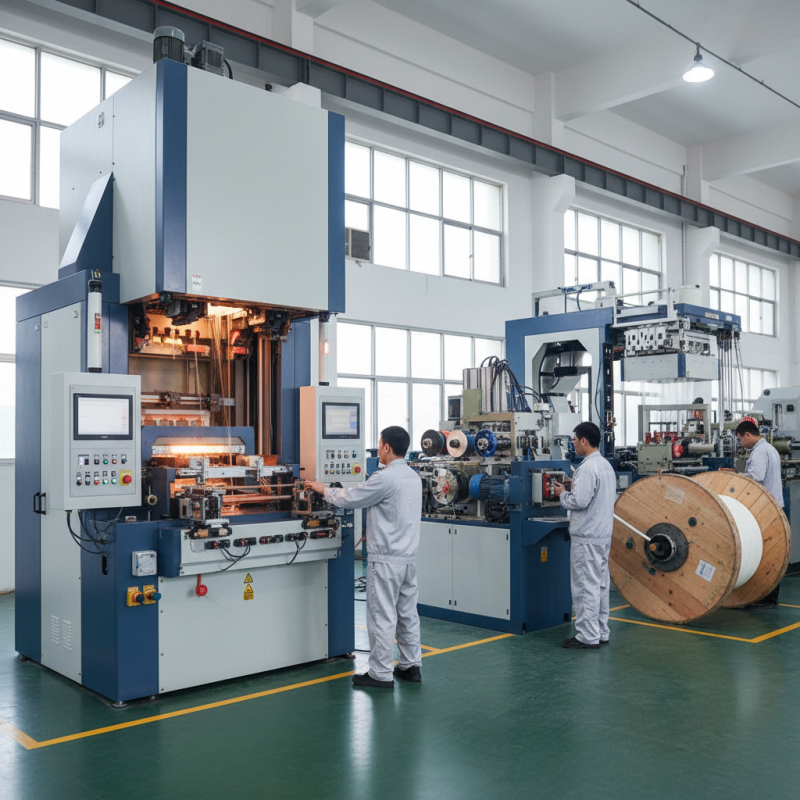
Optical fiber cable machinery plays a critical role in the telecommunications industry. Understanding this machinery helps businesses meet their specific production needs. The market for optical fiber cables is projected to grow significantly, with a CAGR of around 11% from 2021 to 2026. This growth indicates a rising demand for efficient manufacturing techniques.
When selecting machinery, consider the different types available. For instance, drawing towers are essential for producing fiber at high speeds. Cabling machines are crucial for packaging the fibers correctly. Each piece of equipment serves different functions. It's essential to evaluate how well each machine integrates with existing operations. Efficiency often comes from compatibility.
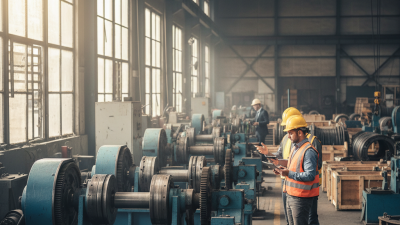
Industry reports indicate that 65% of companies experience production delays due to machinery inefficiencies. Assessing your current processes can reveal potential areas for improvement. Investing in advanced technology may seem daunting. However, the long-term efficiency gains often outweigh initial costs. Regular maintenance is key; neglecting it can cause unforeseen breakdowns. Balancing reliability with productivity will shape your overall success.
Optical Fiber Cable Machinery Usage Statistics (2023)
Key Factors to Consider When Choosing Optical Fiber Machinery
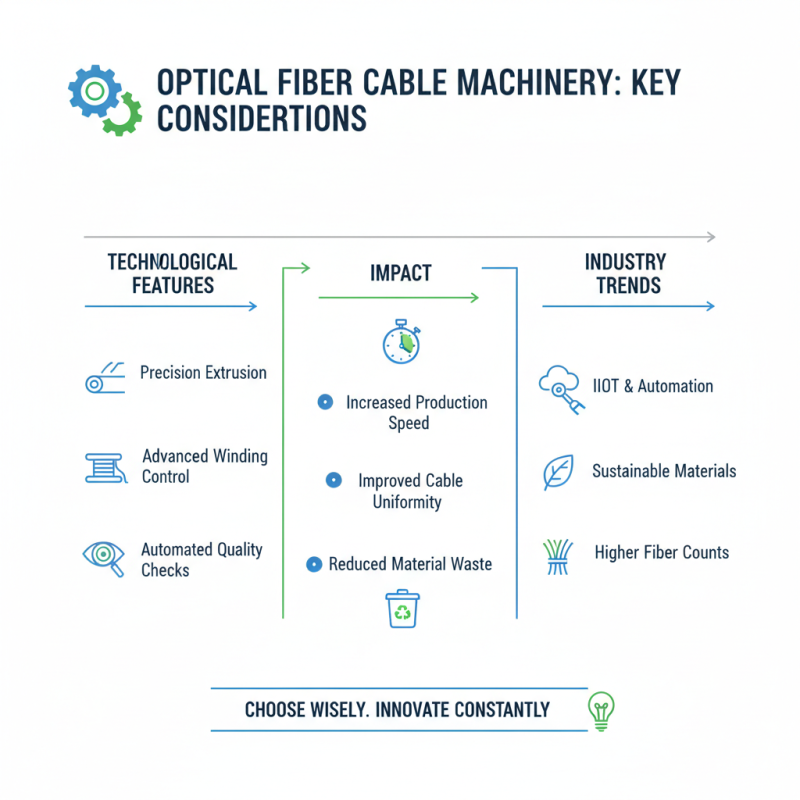
Choosing the right optical fiber cable machinery is crucial for your business. It's important to consider multiple factors to ensure optimal performance. According to industry reports, the global demand for fiber optics is projected to grow at a CAGR of 10.7% from 2021 to 2028. This growth underscores the importance of selecting suitable machinery that meets your production needs.
One key factor to consider is the type of fiber cable you will be producing. Different applications require specific machinery setups. For example, single-mode fibers often need precise machinery for accurate performance. Pay attention to the capacity and speed of the machinery. High-capacity machines can reduce production time but may require more investment. Analyze your budget versus the potential return on investment.
Tips: Assess the maintenance needs of any machinery you consider. Regular upkeep ensures longevity but can eat into your operational budget if not planned for. Additionally, checking industry reviews can provide insights, but remain critical of overly positive feedback.
Every choice has trade-offs. Machinery that excels in speed may compromise on quality. Balancing speed and quality is often a challenge. Having multiple options can help refine your decision-making process. Consider long-term costs, including repairs and energy use. This holistic approach will guide a more satisfying decision.
Evaluating Production Capacity and Efficiency Requirements
When selecting optical fiber cable machinery, evaluating
production capacity is essential.
According to industry forecasts, demand for fiber optic cables will reach
600 million kilometers
by 2026. Businesses must analyze machinery capabilities and output rates accordingly.
A machine’s efficiency can greatly affect overall production.
It’s crucial to consider factors like speed
and automation level.
Efficiency is not just about speed. It's also about the
reliability of the machinery.
Reports indicate that
30% of production downtime is linked to equipment failure.
This highlights the importance of selecting machinery with proven reliability.
Investing in high-quality machinery can reduce costs in the long run.
However, some businesses overlook maintenance needs.
Regular upkeep
is essential for optimal performance.
Furthermore, production needs vary widely. Companies should assess
their specific output requirements.
Data shows that small to mid-sized producers might require around
1,000 kilometers of cable monthly.
Larger facilities might need up to
5,000 kilometers.
Choosing the right machinery requires balancing these needs with available space and budget.
Reflecting on these aspects can lead to better decision-making.
Cost Analysis: Budgeting for Optical Fiber Cable Equipment
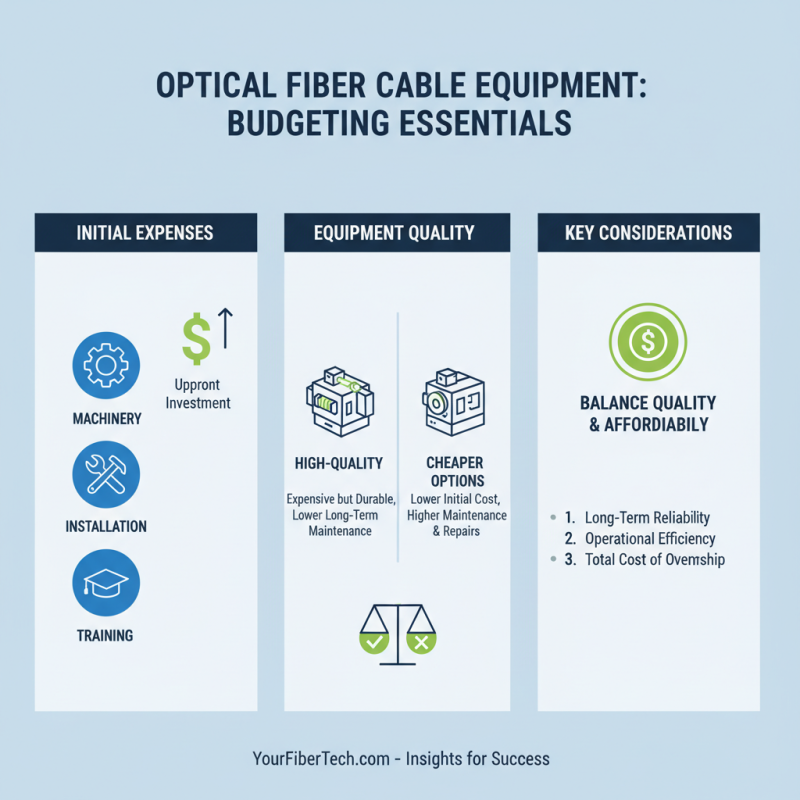
When budgeting for optical fiber cable equipment, understanding costs is crucial. Look at initial expenses like machinery, installation, and training. High-quality machines often come with a hefty price tag. However, cheaper options may lead to higher maintenance costs later. Balance quality and affordability carefully.
Consider ongoing expenses too. Power consumption, repair, and replacement parts can add up quickly. Some users underestimate how frequently machinery may need servicing. It's not uncommon to face unexpected breakdowns. Keeping a reserve fund for these surprises is wise.
You should also think about the scalability of your purchase. Investing in equipment that can grow with your business may seem costlier initially, but it could save you money over time. Be critical of your long-term needs. Are you truly ready for this investment? Reflect on your business's current capabilities and future goals before making a final decision.