How to Choose the Right Cable Drawing Machines for Your Needs?
Choosing the right Cable Drawing Machines is crucial for manufacturers. With the global market for wire and cable expected to reach $330 billion by 2027, making informed decisions is vital. The efficiency, productivity, and overall quality of production heavily depend on this choice.
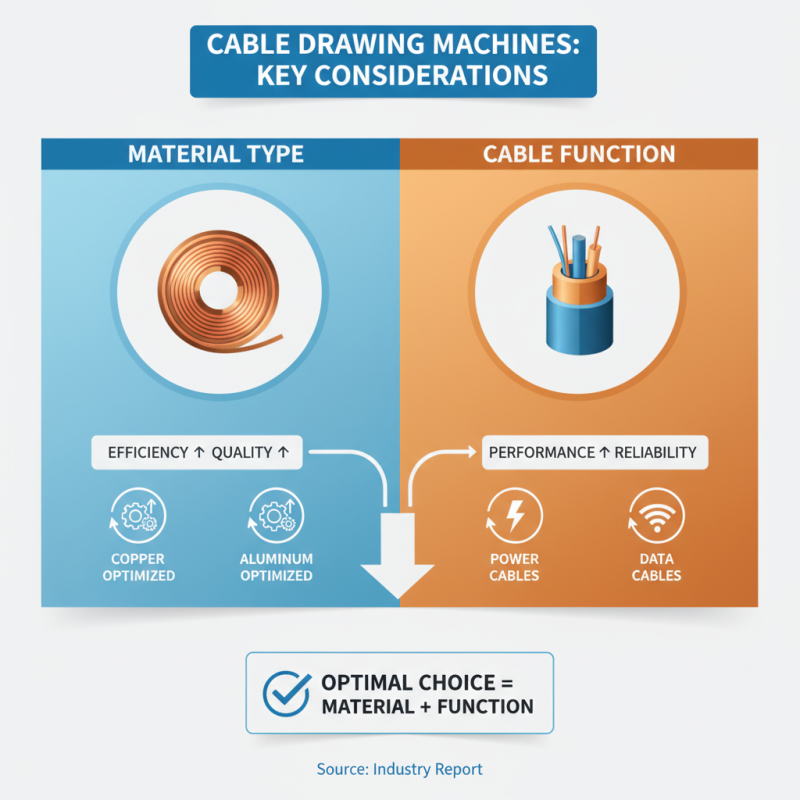
A variety of factors should influence your selection process, such as the machine's capacity and technology. Recent reports indicate that high-speed drawing machines improve production efficiency by up to 30%. However, not all machines are suitable for every application. Consider the specific materials you will process and the desired end-products. Some machines excel in handling copper, while others may be better for aluminum.
Investment in appropriate Cable Drawing Machines can seem daunting. Many businesses struggle with this complexity. Balancing cost and technological capability is critical. A comprehensive understanding of your production needs is essential. This journey often involves trial and error. You may need to revisit your choices periodically to align with evolving market demands. Making these decisions requires careful analysis.
Understanding the Basics of Cable Drawing Machines
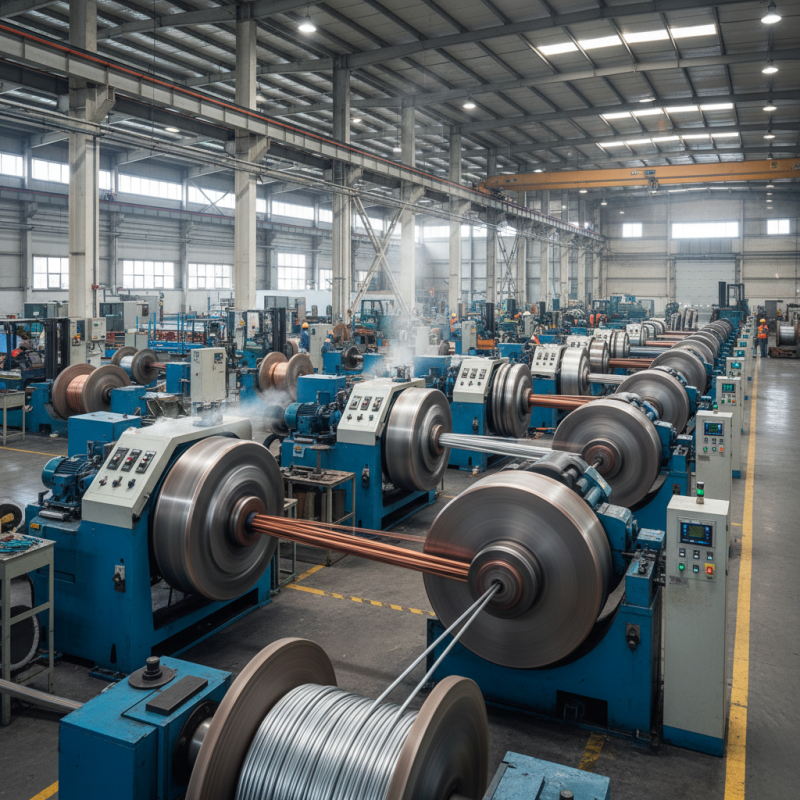
When selecting cable drawing machines, understanding their fundamentals is essential. These machines reduce the diameter of wires while increasing their length. A typical drawing process involves multiple stages, where wire passes through a series of dies. According to industry reports, the global cable drawing machine market was valued at approximately $600 million in 2022. This number highlights the importance of technology in wire production.
Cable drawing machines vary significantly in design and capability. They can be divided into different types based on the material and the drawing process. For instance, machines meant for copper can’t always handle aluminum effectively. This mismatch can lead to production inefficiencies. Furthermore, nearly 30% of manufacturers struggle with machine downtime due to maintenance issues. Regular checks are often overlooked but are crucial for optimal performance.
It's also vital to consider energy consumption when choosing a machine. Studies show that efficient machines can reduce energy costs by 20%. However, many businesses focus narrowly on the initial purchase price, ignoring long-term operational costs. This approach can lead to overspending in the future. Identifying the right machine involves careful consideration of these factors to ensure that it meets both immediate and future production needs.
How to Choose the Right Cable Drawing Machines for Your Needs?
| Machine Type |
Max Drawing Speed (m/min) |
Wire Diameter Range (mm) |
Power Requirement (kW) |
Applications |
| Single Wire Drawing Machine |
25 |
0.5 - 5.0 |
5.5 |
Copper, Aluminum |
| Multi Wire Drawing Machine |
15 |
0.8 - 3.0 |
10 |
Automotive, Electronics |
| Rod Breakdown Machine |
10 |
5.0 - 12.0 |
15 |
Wire, Cable Production |
| Specialized Coating Machine |
20 |
0.2 - 1.5 |
7.5 |
Insulated Wire |
Identifying Your Specific Production Needs and Requirements
When selecting the right cable drawing machine, it's essential to pinpoint your specific production needs. Different industries require varied cable types, such as power cables, telecommunications cables, or specialty wires. Understanding the material, thickness, and diameter of the cables you plan to produce is the first step. This information is critical to determine the machine's capacity and specifications.
Consider the production volume you aim for. A high-output operation needs a faster machine. However, a lower output might not need such advanced features. Reflect on the space available for the machinery. Larger machines require more room. Moreover, think about the noise and vibration they generate. Sometimes, a quieter option may be necessary for a comfortable working environment.
Don’t underestimate the importance of flexibility. You might need to produce different types of cables in the future. Machines that offer adjustable settings can be beneficial. Yet, they might come with a learning curve. Staff will need time to adapt. Balancing cost with versatility is often a challenge. Review your options thoroughly. A machine that fits today’s needs may not align with future requirements.
Evaluating Different Types of Cable Drawing Machines Available
When evaluating different types of cable drawing machines, it's crucial to consider their specific functions. Machines vary based on the material used and the type of cables produced. For instance, some models are optimized for copper, while others excel with aluminum. The choice can impact efficiency and quality significantly.
Additionally, the size and capacity of machines should align with production goals. Smaller units may be perfect for limited runs, while larger machines support high-volume manufacturing. It's essential to assess your current and future production needs. Sometimes, buying a machine for immediate projects can lead to limitations later on. Consider whether a more versatile option might serve you better down the line.
Installation and maintenance requirements are also important factors. Some machines require extensive setup and regular upkeep, which might lead to downtime. Always ensure you understand the servicing needs before making a decision. Striking a balance between cost and capability isn't easy. Each machine carries its advantages and drawbacks, requiring careful reflection on your operational priorities.
Considerations for Machine Specifications and Features
Choosing the right cable drawing machines involves careful consideration of specifications and features. Key specifications include drawing capacity, speed, and the number of dies. A machine's capacity is crucial. For example, a machine that can handle a range of wire diameters offers flexibility for different projects. According to industry reports, machines with higher speeds can improve productivity by up to 30%. However, speed must not compromise the quality of the drawn wire.
Tip: Always assess your production requirements before selecting a machine. This ensures that the chosen machine meets your needs without unnecessary complexity.
Features like automatic lubrication and energy efficiency are also important. Machines with automatic lubrication systems can reduce maintenance time significantly. Energy-efficient machines can lower operational costs, contributing to overall profitability. However, some advanced features may complicate operation and require specialized training. This can lead to increased downtime if staff are not adequately trained.
Tip: Evaluate training resources provided by manufacturers. Effective training can minimize mistakes during operation.
In conclusion, it’s vital to balance between features and usability. Not every advanced option will be beneficial for your specific situation. Sometimes, simpler machines perform just as well, if not better, than their complex counterparts. Hence, understanding your specific requirements and workforce capabilities is key to making an informed choice.
Machine Specifications Comparison for Cable Drawing Machines
This chart compares key specifications of different cable drawing machines, helping you to make an informed choice based on your needs.
Budgeting and Cost Analysis for Cable Drawing Machine Purchases
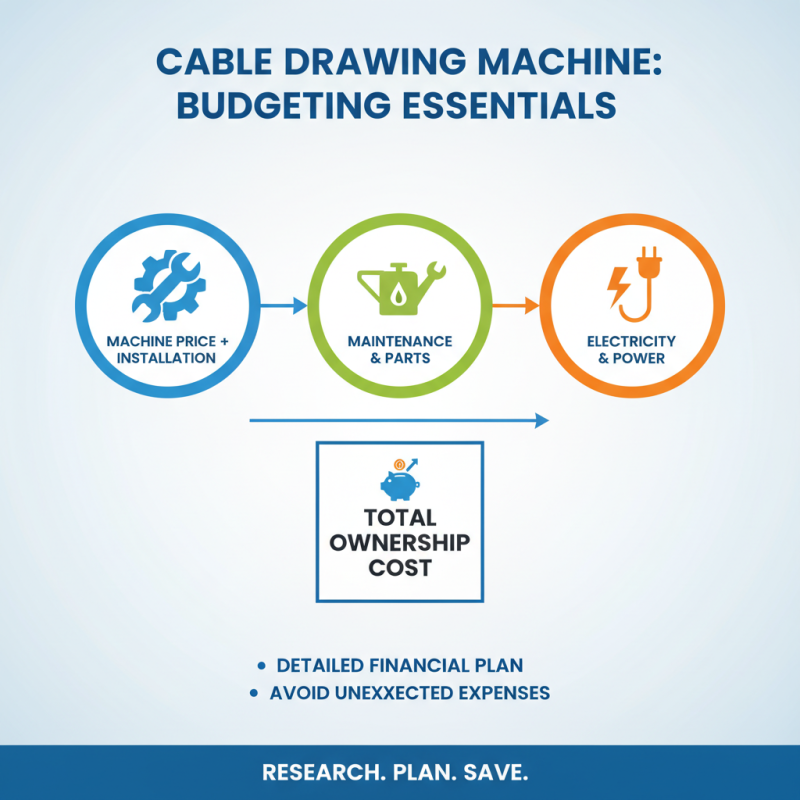
When budgeting for a cable drawing machine, consider all costs involved. The price of the machine itself is just the beginning. Installation, maintenance, and electricity costs add up quickly. Researching these factors will help avoid unexpected expenses later. It’s essential to create a detailed financial plan, breaking down costs into manageable categories.
Think about how long you will use the machine. A cheaper machine might seem appealing initially, but long-term costs can outweigh the savings. For instance, more affordable machines may require frequent repairs. This can lead to downtime and loss of productivity. It's crucial to analyze the total cost of ownership to make an informed decision.
Also, keep in mind potential financing options. Some manufacturers offer financing plans, which can ease the initial financial burden. However, read the fine print. Understand interest rates and terms. Committing to a plan without full comprehension can lead to regret. Assess your cash flow carefully to ensure that any financing aligns with your overall financial goals.