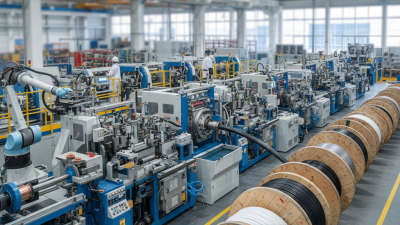
How to Choose the Right Cable Manufacturing Equipment for Your Needs?
Selecting the right Cable Manufacturing Equipment can be a daunting task. In an industry that demands precision and efficiency, experts emphasize the importance of making informed choices. One such expert, John Smith, a renowned authority in cable production, states, “Choosing the correct equipment can significantly enhance productivity and quality.”
When evaluating Cable Manufacturing Equipment, factors like capacity, technology, and compatibility with existing systems are crucial. Every manufacturing facility has unique requirements. A machine suitable for one company may not meet another's needs. Analyzing these specific requirements is essential for optimum performance.
In addition, potential buyers should consider future scalability. Equipment that meets current demands might become inadequate as production grows. Companies must reflect on their long-term goals when selecting tools. Ultimately, investing in high-quality Cable Manufacturing Equipment is not just a financial decision; it’s a strategic one. Careful consideration today leads to innovation tomorrow.
Identifying Your Cable Production Requirements and Goals
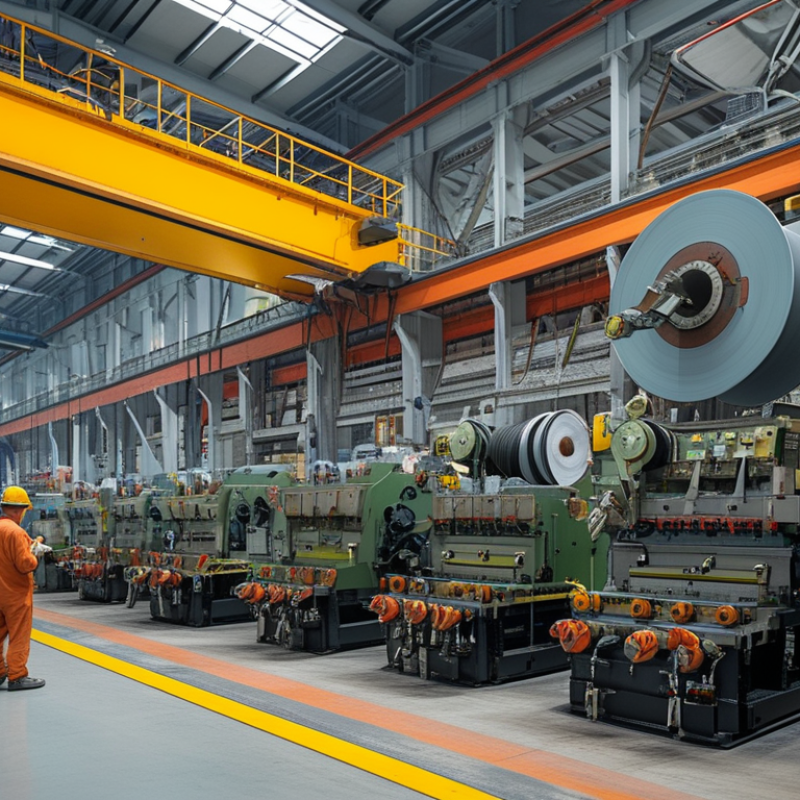
Identifying your cable production requirements is crucial for selecting the right manufacturing equipment. Consider factors like production volume, cable types, and quality standards. According to a recent industry report, the global cable manufacturing market is projected to grow at a CAGR of 4.8% from 2021 to 2026. This growth shows the increasing demand for efficient and advanced cable production.
It is essential to assess your specific needs. Determine your production capacity: small, medium, or high-scale operations. Keep in mind that equipment designed for high-volume production may lead to inefficiencies if demand is low. Regularly review your goals and align them with your equipment capabilities.
**Tips**: Always factor in technological advancements. Choosing equipment that is adaptable can save costs in the long run. Do thorough research on maintenance needs. Equipment with high maintenance costs can eat into profits. Regular feedback from your production team can help you rethink your equipment choices.
Production Capacity of Different Cable Types
Understanding Different Types of Cable Manufacturing Equipment
When choosing cable manufacturing equipment, understanding the different types available is crucial. Manufacturing processes vary, from extrusion to wire drawing. According to a report by BCC Research, the global cable machinery market is expected to reach $10 billion by 2025, reflecting significant advancements in technology and demand. Each type of equipment serves specific functions that should match your production needs.
Extrusion machines, for instance, are essential for producing insulated cables. They melt and mold materials efficiently but can be costly and require skilled operators. Wire drawing machines reduce wire diameter, ensuring a strong final product. However, they may fall short in versatility. Remember, selecting the wrong equipment can lead to production downtime and increased costs.
Tip: Invest time in evaluating your production volume and material types. Understanding your specific requirements will save money and improve efficiency. Incorporate flexibility into your choice to adapt to future industry demands.
Another area to consider is inspection equipment. Quality control is vital in manufacturing. Automated inspection tools can detect defects early. Reports indicate up to 70% of production errors can be caught with the right technology. However, these tools might demand higher upfront investment, which may not suit all budgets.
Tip: Balance quality and cost. Explore options like leasing or secondhand machinery to manage expenses better. Ensure your equipment meets industry standards to maintain reliability and safety in operations.
Evaluating Key Features and Specifications of Equipment
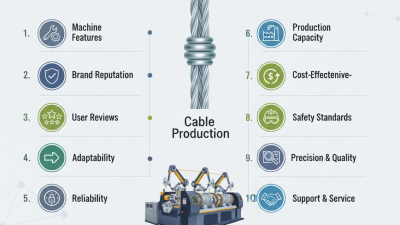
When selecting cable manufacturing equipment, focusing on key features can make all the difference. Look for machinery that offers versatility. A system that adapts to various wire types is a plus. Speed is another crucial factor. Equipment should maintain high output without compromising quality. High efficiency often correlates with better production costs.
Pay attention to specifications such as wire diameter capacity. Machines that can handle a wide range are beneficial. Consider the ease of maintenance as well. Regular upkeep is essential for longevity. Complex machinery might require more expertise for repairs. This can lead to downtime if not managed well.
Safety features should never be overlooked. Equipment should comply with industry safety standards. This not only protects workers but also ensures reliable operations. A lack of clear safety measures could lead to issues. Always evaluate the support available from manufacturers. Reliable after-sales service is important for uninterrupted production. These aspects can significantly impact the effectiveness of your operations.
Assessing Budget Constraints and Total Cost of Ownership
When selecting cable manufacturing equipment, the total cost of ownership (TCO) is crucial. Studies show that upfront costs represent only 20-30% of TCO. Operating costs, maintenance, and energy consumption account for the remainder. It’s essential to consider both initial expenses and long-term investment. Analyzing total costs helps in making an informed decision that aligns with budget constraints.
Tips: Always estimate utility expenses related to equipment. Some machinery consumes significantly more energy, leading to higher monthly bills. Evaluate maintenance requirements as they can vary widely. Equipment needing frequent repairs may become a financial burden.
Another critical aspect is the scalability of the equipment. As demand fluctuates, your equipment should adapt without incurring heavy upgrade costs. Data suggests that businesses can face a 40% increase in long-term expenses if equipment cannot accommodate growth. Always be prepared for unexpected challenges, including assessing whether the machinery you choose might soon become obsolete. This foresight can lead to more sustainable investments.
How to Choose the Right Cable Manufacturing Equipment for Your Needs? - Assessing Budget Constraints and Total Cost of Ownership
| Equipment Type |
Initial Cost ($) |
Operating Cost per Year ($) |
Maintenance Cost per Year ($) |
Total Cost of Ownership (5 Years) ($) |
Production Capacity (Units/Year) |
| Wire Extruder |
150,000 |
20,000 |
5,000 |
225,000 |
500,000 |
| Cable Twister |
100,000 |
15,000 |
4,000 |
179,000 |
300,000 |
| Cable Cutting Machine |
80,000 |
10,000 |
2,000 |
126,000 |
200,000 |
| Insulation Coater |
200,000 |
25,000 |
6,000 |
371,000 |
600,000 |
| Testing Equipment |
50,000 |
5,000 |
1,000 |
61,000 |
150,000 |
Researching Manufacturers and Suppliers for Quality Assurance
Choosing the right cable manufacturing equipment is crucial for achieving high quality and efficiency. Researching manufacturers and suppliers is an important step in this process. It ensures you choose reliable partners who provide top-notch equipment. According to a recent industry report by Research and Markets,
the global cable manufacturing market is expected to grow at a CAGR of 5.6% from 2023 to 2028. This means it's more important than ever to invest wisely.
When selecting a manufacturer, prioritize quality assurance. Evaluate their production processes and certifications. Ask for detailed information about their quality management systems. For example, ISO 9001 certification indicates a commitment to quality. Don't hesitate to request samples or case studies from previous clients. These can provide insight into the manufacturer's performance and reliability.
Tips: Look for manufacturers with a strong track record. Check online reviews and industry forums. Consult experts in the field to gather opinions.
Be aware that not all suppliers meet the same standards. Some may cut corners to save costs. This could affect product quality and your company's reputation. It's essential to conduct thorough research. Use resources like industry association reports to cross-check supplier claims. Remember, investing time in this research can yield long-term benefits for your operations.