How to Choose Second-Hand Optical Fiber for Your Networking Needs?
Choosing the right second-hand optical fiber for your networking needs can be challenging. Many factors come into play when assessing the quality and reliability of these fibers. You might find options that appear appealing, yet their performance could be questionable. Understanding the nuances of second-hand optical fiber is crucial for making an informed decision.
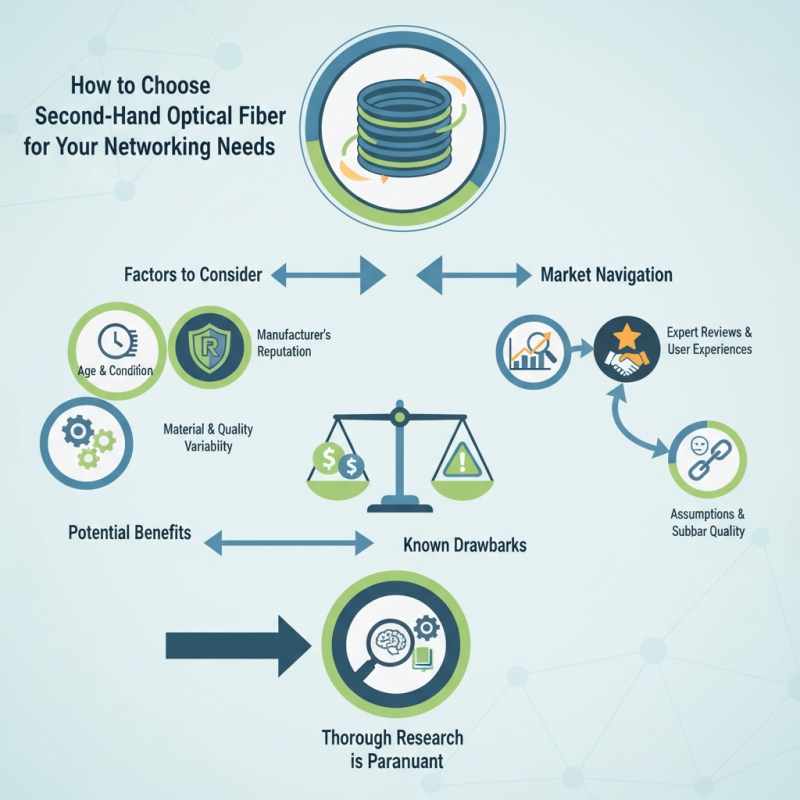
When selecting used optical fiber, consider the age and condition of the cables. Older fibers might have lost some performance capabilities. It's essential to gauge the manufacturer’s reputation as well. Reliable brands often ensure better longevity and efficiency. Keep in mind that not all second-hand products are equal; variability exists in both material and quality.
Navigating the second-hand market can also lead to unexpected surprises. You may discover fantastic deals, or you might encounter subpar quality. Relying on expert reviews and user experiences can help mitigate risks. However, personal assessments often reveal that assumptions about reliability are sometimes misleading. Opting for second-hand optical fiber involves weighing potential benefits against known drawbacks. Thus, thorough research is paramount in this pursuit.
Understanding the Basics of Optical Fiber Technology
Optical fiber technology is an essential part of modern networking. It enables high-speed internet and supports large data transfers. Unlike copper cables, fiber optic cables transmit data using light. This results in faster and more reliable connections. Understanding these basics can help you make informed decisions when selecting second-hand fiber options.
When you search for second-hand optical fibers, consider their type. Single-mode fibers are designed for long distances. Conversely, multimode fibers work well for shorter runs.
Another point to note is the age of the fiber. Older fibers may degrade, affecting performance. Look for signs of wear, like fraying or discoloration. These issues can compromise network reliability.
The installation environment also plays a role. Outdoor fibers need protection from moisture and UV rays. Indoor fibers can be more flexible but still require care. Reflect on the specifications that suit your needs.
You want a balance between cost and performance. This might not always be straightforward, and trial and error can be part of the process. Relying on industry research can help you navigate these choices more effectively.
Identifying Different Types of Second-Hand Optical Fiber
When selecting second-hand optical fiber, understanding the different types is crucial.
Fiber optic cables come in various forms, including
single-mode
and
multi-mode.
Single-mode fibers are designed for long-distance communications. They have a smaller core diameter, allowing light to travel straight down the fiber.
Multi-mode fibers, on the other hand, have a larger core and are best for shorter distances.
Consider what your networking needs are before making a decision.
Tips: Inspect the fibers for any visible damage. Even small scratches can affect performance. Check for compatibility with your existing equipment, as not all fibers work seamlessly together.
Condition is another important factor. Look for signs of wear or aging. Older fibers may not support the latest standards. On the flip side, some used fibers are still in excellent condition and can perform well. Assessing their history is beneficial. Ask questions about their previous usage and maintenance.
Tips: Ensure that you buy from reputable sources. Trustworthy suppliers often provide detailed specifications. Use online resources to educate yourself on typical prices and expected lifetimes. This knowledge can guide your purchasing choices.
Assessing the Condition and Quality of Used Fiber Cables
When assessing the condition and quality of used fiber cables, begin with a thorough visual inspection. Look for any visible signs of wear, such as frayed ends or broken sheaths. Pay attention to the connectors; they should be clean and free of scratches. A simple magnifying glass can help spot tiny imperfections. If you notice any discoloration, it might indicate hidden damage.
Testing the performance of the fiber is crucial. Use a light source to check signal strength and loss. This evaluation can reveal degradation not seen with the naked eye. A high-quality used fiber should transmit signals effectively, maintaining minimal loss. If you have access to an optical time domain reflectometer (OTDR), this tool provides a detailed view of the cable’s integrity.
Involving a professional can provide additional insights. Experts can identify subtle issues that might go unnoticed. However, relying solely on them can lead to missed opportunities for learning. Make sure to document your findings. This record will aid future evaluations. Ultimately, choosing second-hand optical fiber requires a careful balance between assessment and instinct. Trust your judgment when you spot a potential issue. Consider both the condition and your networking needs.
Evaluating Compatibility with Your Networking Equipment
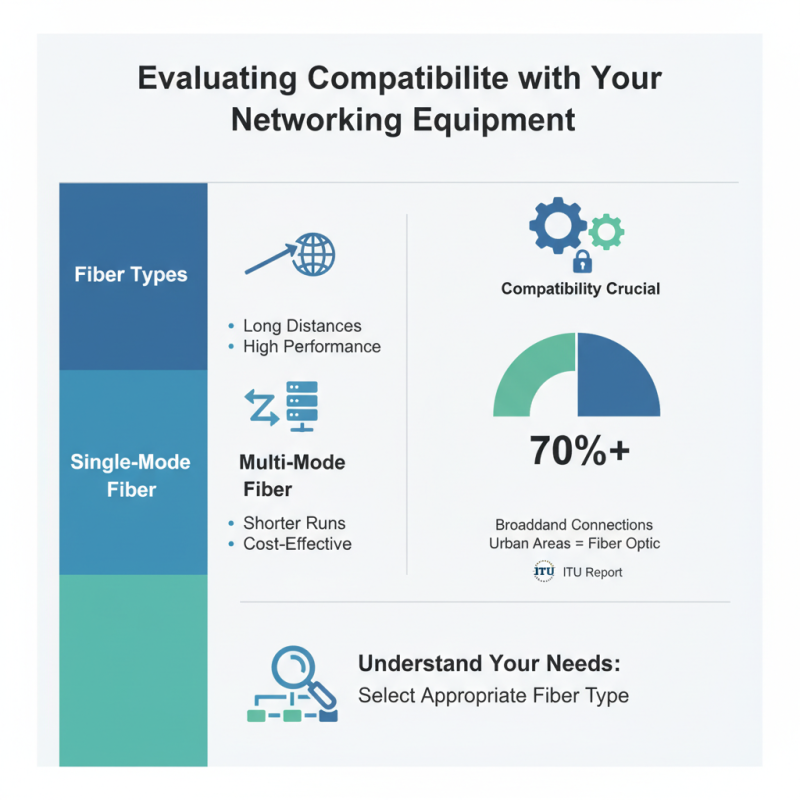
When considering second-hand optical fiber, compatibility with existing networking equipment is crucial. Many fiber types, like single-mode and multi-mode, differ in performance and range. Single-mode fibers excel at long distances, while multi-mode fibers are often chosen for shorter runs due to their cost-effectiveness. According to a report by the International Telecommunication Union, over 70% of broadband connections in urban areas now utilize fiber optics. Understanding your network's needs will help you select the appropriate type.
Another important factor is connector and interface compatibility. Different devices may require specific connectors, such as LC, SC, or ST types. Ensure your equipment accepts the connectors from the used optical fiber you are considering. Cost savings can be substantial, with second-hand optical fiber averaging about 30% less than new options, but mismatched connectors can lead to operational issues. It's essential to double-check both the physical and technical specifications before making a purchase.
Using second-hand optical fiber comes with potential risks. Though cost-effective, it might lack warranties or guarantees. Some cables may show signs of wear. Inspecting the fibers closely can help determine their condition. Buyers should also consult with experts or technical documents to ensure conformity with industry standards. While second-hand options can be appealing, thorough evaluation is necessary to avoid future headaches.
Cost Considerations and Budgeting for Second-Hand Fiber Purchases
Choosing second-hand optical fiber for networking can save costs but requires careful budgeting. While used fiber is often more affordable, it’s essential to assess the total cost, including potential installation and maintenance. Take some time to research typical prices in your area. Remember, prices can vary widely based on condition and performance specifications.
When planning your budget, consider the lifespan of the used fiber. Sometimes, opting for cheaper options leads to higher long-term costs due to frequent replacements or repairs. Confirm the fiber's history. Ask about its previous use and any testing done before purchase. This can impact overall performance and reliability.
**Tip:** Set aside a small portion of your budget for unexpected expenses. Murphy's Law often applies in networking. A small buffer can make a significant difference.
**Tip:** Be cautious with online listings. It’s easy to fall into the trap of incredible deals. Always verify the seller’s credibility. Obtain references if possible.
In the end, balancing cost and quality is crucial. Reflect on whether the cheaper option truly meets your needs. Each purchase should align with your long-term goals and standards.