How to Choose the Best Cable Testing Machines for Your Needs?
Choosing the right Cable Testing Machines is crucial for ensuring the safety and reliability of electrical systems. With numerous options available, it can be a daunting task. Each machine serves specific purposes, making it essential to understand your unique requirements.
Start by considering the type of cables you will test. Different machines are suited for various cable types, such as coaxial, twisted pair, or fiber optic. Look for machines that offer versatility and can handle multiple cable specifications. Reliability and accuracy should also be a priority, as misdiagnosis can lead to costly failures.
It's important to evaluate the features and functions of each machine. Consider testing speed, data reporting capabilities, and ease of use. Not all machines are user-friendly, so read reviews and testimonials to gain insights. Developing a list of priorities will guide you towards making a well-informed decision. Remember, investing in the right Cable Testing Machines can save time and money in the long run.
Understanding the Different Types of Cable Testing Machines
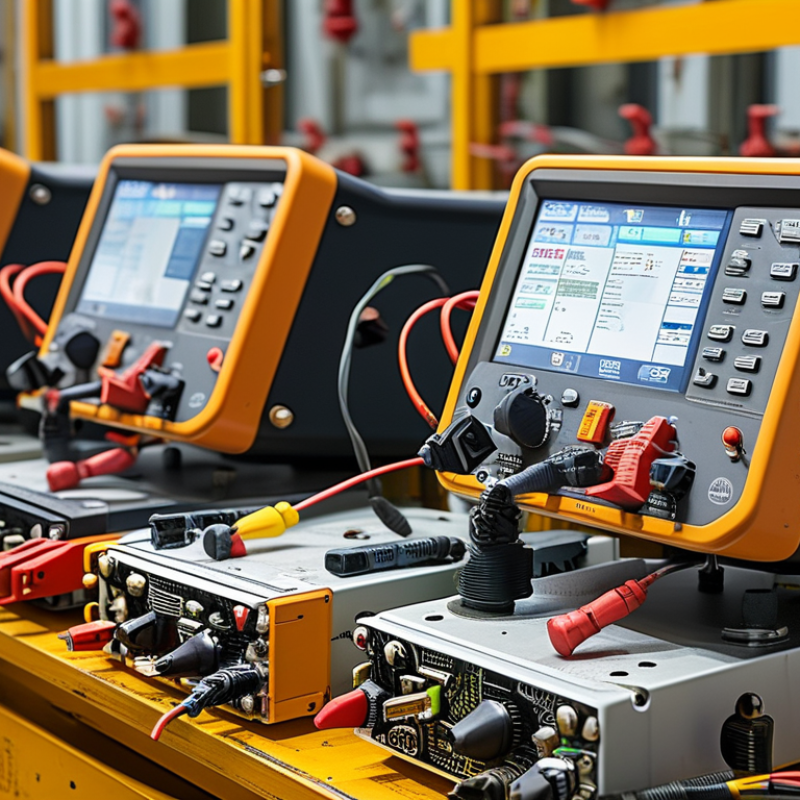
When selecting a cable testing machine, it's essential to understand the different types available.
High Voltage testers are crucial for ensuring insulation integrity in cables.
They can help identify weak points and prevent future failures. According to industry reports, nearly 30% of electrical failures stem from poor insulation.
Companies that perform regular tests can significantly reduce downtime and operational costs.
Another popular option is the Cable Fault Locator.
These machines can pinpoint issues along a cable’s length, making repairs faster and more efficient.
Reports suggest that faulty cables cause up to 15% of operational issues in electrical systems.
Investing in a reliable cable fault locator can save time and resources.
Finally, consider the multifunction testers which combine various testing capabilities in one device.
This versatility can simplify operations for technicians. However, users should be cautious; complex machines may require more training to operate effectively.
Some users report difficulties in fully utilizing such devices.
Hence, evaluating the right fit for your operational needs is essential for achieving optimal results.
Key Features to Consider When Choosing Cable Testing Machines
When selecting cable testing machines, certain key features are critical. Accuracy is paramount. A 2022 report from the International Electrotechnical Commission noted that 25% of all electrical failures stem from inadequate testing. Machines should provide precise measurements to prevent these failures. Dual capability—testing both low and high-voltage cables—can also enhance versatility. As cables come in various types, such machines can save time and money.
Speed of testing is another essential feature. In today’s fast-paced industry, efficiency is key. Testing machines that deliver results in real-time can significantly reduce downtime. Speedy results allow technicians to make decisions quickly. A study showed that efficient testing contributes to a 15% increase in overall productivity for cable manufacturing companies.
Additionally, durability cannot be overlooked. Many machines may not withstand harsh environments. A robust design ensures longevity. Regular maintenance is often neglected, yet it is crucial. This oversight can lead to device failure or inaccurate tests. Operators should routinely assess their machines to maintain peak performance. The importance of choosing the right cable testing machine cannot be understated.
How to Choose the Best Cable Testing Machines for Your Needs? - Key Features to Consider When Choosing Cable Testing Machines
| Feature |
Description |
Importance Level |
| Test Types |
Ability to perform various tests such as continuity, insulation resistance, and cable fault location. |
High |
| User Interface |
Intuitive controls and user-friendly design for ease of operation. |
Medium |
| Portability |
Lightweight and compact design for easy transport and field testing. |
Medium |
| Battery Life |
Long-lasting battery for extended use without needing recharging. |
High |
| Data Storage |
Capability to store test results for future reference and analysis. |
High |
| Connectivity Options |
Options for USB, Bluetooth, or Wi-Fi connections for data transfer. |
Medium |
| Calibration |
Ease of calibration to ensure accurate testing results over time. |
High |
| Cost |
Overall price in relation to features and performance. |
High |
Assessing Your Specific Testing Needs and Requirements
Selecting the right cable testing machine is crucial. Start by identifying your specific testing needs. What types of cables will you test? Consider the voltage and frequency range. Will you be testing under various environmental conditions? Knowing these details helps narrow down your choices significantly.
Next, think about the features required. Do you need basic continuity testing or more advanced functionalities like fault location? Data logging and reporting capabilities can also enhance efficiency. Remember, not all machines will meet every requirement. It’s essential to prioritize features based on your usage scenario. Additionally, the complexity of operations should match the skill level of your team.
Finally, reflect on the budget and long-term usability. A high upfront cost may not always translate to better performance. Evaluate whether a simpler, more cost-effective machine might serve your needs for now. Be prepared to ask questions and seek advice. Understanding your specific requirements will increase the likelihood of making a sound investment.
Evaluating the Reliability and Accuracy of Testing Equipment
When selecting cable testing machines, reliability and accuracy are paramount. Testing equipment must deliver precise results to ensure the integrity of your network. According to a recent industry report, 27% of testing failures can be traced back to inadequate equipment. This highlights the need for well-calibrated devices that can consistently provide accurate readings.
Incorporating advanced technology can enhance performance, yet complexity often increases. For instance, automated systems may offer quicker results but can be susceptible to calibration drift over time. A study indicated that about 20% of users reported issues with automated systems, prompting a need for regular checks. Balancing technology and usability can be tricky. Additionally, training staff on proper usage is crucial to mitigate human error, which remains a significant factor in testing inaccuracies.
Real-life applications also reveal shortcomings. In one case, a testing machine recorded inconsistent results during routine assessments. This discrepancy led to further investigation, ultimately linking it to outdated software. Regular updates and maintenance are essential. By prioritizing these elements, companies can ensure the machines do not just meet standards but exceed them for reliable cable testing.
Budget Considerations for Purchasing Cable Testing Machines
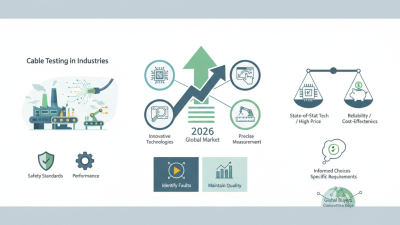
When considering the purchase of cable testing machines, budget plays a crucial role. A report by MarketsandMarkets estimates that the global market for cable testing equipment will grow at a CAGR of 6.5% from 2021 to 2026. This highlights a growing demand but also the need for careful financial planning. While advanced machines offer reliable results, their prices can vary significantly. You may find basic models starting at around $1,000, while high-end machines can reach $10,000 or more.
Tips: Assess your specific needs first. Analyze the types of cables you will be testing. This will help in selecting machines that fit your requirements without overspending.
It’s essential to balance quality and budget. A cheaper machine may seem tempting but could lead to increased costs in the long run due to inaccuracies. According to a study by Technavio, 30% of organizations reported spending more on repairs because of faulty testing equipment. Investing in a reliable unit is often more cost-effective.
Tips: Look for machines that come with a warranty or service plan. This can mitigate future costs and provide peace of mind. Making a wise investment now can save you time and money later.