How to Choose the Right Wire Machinery for Your Business Needs?
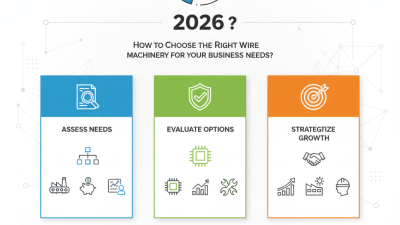
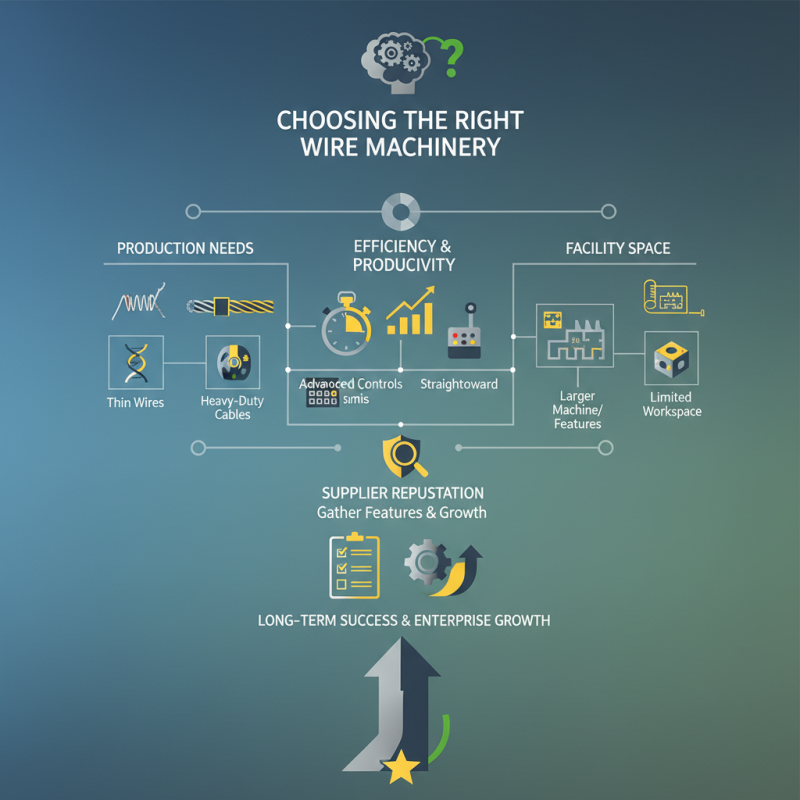
Selecting the right Wire Machinery for your business can feel overwhelming. The choices are vast and varied. Certain machines cater to specific production needs, while others offer broader functionality. Consider your core operations carefully. Do you primarily focus on crafting thin wires or heavy-duty cables?
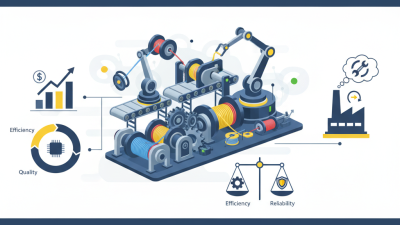
Take a moment to assess your production goals. The right Wire Machinery should enhance efficiency and productivity. Ask yourself if you need a machine with advanced controls or one that is more straightforward. Also, think about the space in your facility. A larger machine may offer more features, but it could limit your workspace.
It is crucial to evaluate supplier reputations. Not all machinery is built to the same standards. Instead of rushing into a purchase, gather information over time. Reflect on what features are indispensable for your specific needs. Ultimately, making a thoughtful choice can lead to long-term success in your business. You want machinery that grows with your enterprise.
Choosing the Right Wire Machinery: Understanding Production Needs
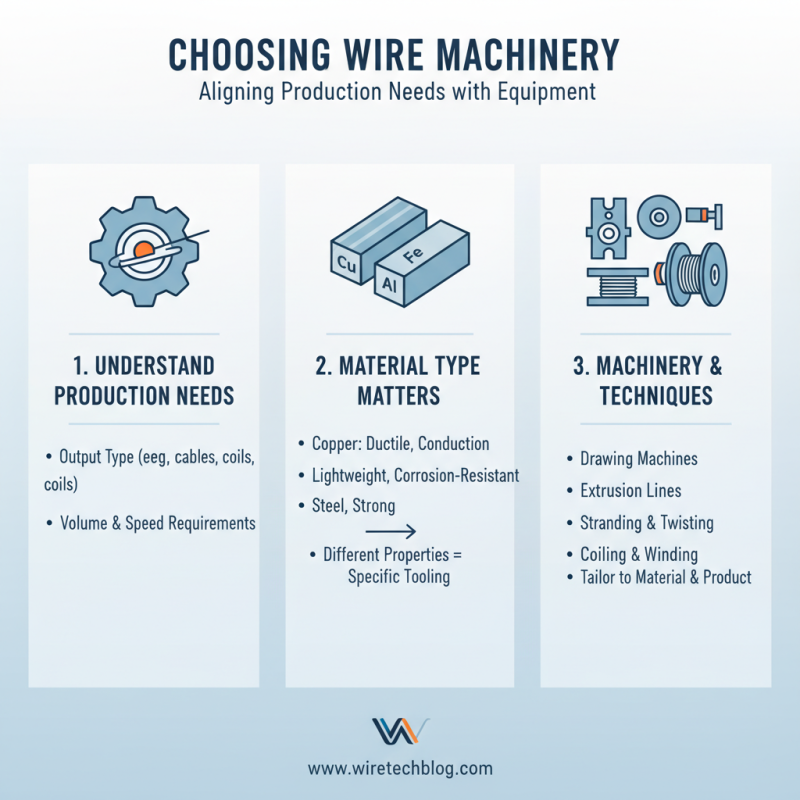
When choosing wire machinery, understanding your production needs is crucial. The type of wire you plan to produce can determine the type of machinery required. Consider the materials you will use. Copper, aluminum, and steel have different mechanical properties. Each type might need distinct processing tools and techniques.
Tips: Assess your production volume. If you're starting small, modular machines might suit your needs. They are flexible and can adapt as you grow. For larger operations, investing in high-capacity machines can boost efficiency.
Reflect on your workforce's skill level. Complex machines require trained operators. If your team lacks experience, simpler, user-friendly machines might be better. This could mean a steeper learning curve in the long run, though.
Tips: Evaluate the maintenance needs of the machinery. More advanced machines often need specialized maintenance, which might increase operational costs. A balance between advanced features and ease of maintenance is essential. It's all about fitting the machinery to your long-term goals, not just current demands.
Evaluating Technical Specifications: Key Features and Options
When selecting wire machinery, evaluating technical specifications is critical. Look for features that align with your operational needs. Key specifications include wire diameter range, tensile strength, and production speed. Understand how these factors influence your production capabilities. For instance, machines with a wider diameter range offer versatility for various wire types.
Consider the construction of the machinery. Heavy-duty frames can handle rigorous operational demands. Check for ease of maintenance and access to essential components. Occasionally, machinery might have complex setups that require expert intervention. Evaluate this aspect to avoid potential downtime in your production line. Remember, a machine that is easy to maintain might save costs in the long run.
Options for automation should not be overlooked. Automated machinery can enhance efficiency and reduce labor costs. However, assess if your team is prepared for automation. Investing in technology is a big step. Some may find learning curves challenging. Ensuring ample training for your team will be essential for maximizing the benefits. Balancing these factors can lead to better decision-making.
Assessing Cost Efficiency: Budgeting for Wire Machinery Investments
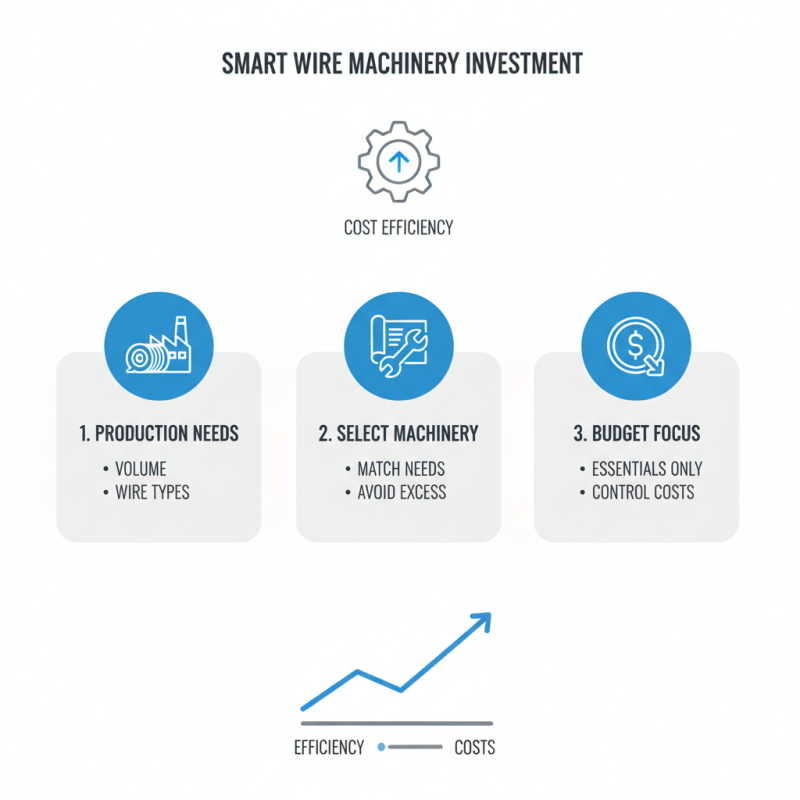
When budgeting for wire machinery investments, understanding cost efficiency is crucial. Start by determining your production needs. Consider the volume and types of wire you will produce. This assessment will guide your selection of machinery. Additional features might seem appealing, but they can significantly inflate costs. Therefore, focus on what you truly need.
Investigate the total cost of ownership (TCO). This includes maintenance, energy use, and operation costs. Sometimes, cheaper machinery can lead to higher expenses in the long run. Calculate the expected return on investment (ROI). A machine that costs more upfront might pay off with better efficiency over time.
Don't overlook the possibility of acquiring used machinery. It can save you money but may come with risks. Ensure you know the machine’s history thoroughly. Consider if warranty or service agreements are available. Remember, investing in wire machinery is not just about the initial cost. It's about long-term value and sustainability for your business.
Analyzing Industry Standards: Compliance and Safety Considerations
Choosing the right wire machinery involves understanding compliance and safety standards. Many manufacturers overlook the importance of these regulations. According to industry reports, about 30% of production issues arise from non-compliance with safety standards. Ignoring these can lead to severe penalties. Additionally, machine operators must be trained to follow safety protocols. Proper training can reduce accidents by up to 50%.
Tip: Regularly update training programs. Create sessions that address current compliance standards. This ensures everyone is on the same page and can adapt to changes swiftly.
Another key aspect is the choice of materials used in machinery construction. Reports indicate that subpar materials contribute to equipment failures and safety hazards. Investing in higher-quality materials can be a game-changer. However, the initial cost might concern businesses. Still, cheaper materials often lead to higher long-term costs due to repairs and fines for non-compliance.
Tip: Perform regular inspections of machinery. Identify any signs of wear and tear early. This proactive approach can save money and enhance safety in the workplace.
Identifying Supplier Reliability: Importance of After-Sales Support
When selecting wire machinery, after-sales support is crucial. Many businesses overlook this aspect. A survey by the Machinery Equipment Manufacturers Association found that 70% of companies faced challenges when service was inadequate. Quality machinery requires reliable support for maintenance. Without it, downtime can increase.
Consider the complexities of wire machinery. Different machines require specific expertise for repairs. A poor after-sales experience could lead to costly delays. A report from the International Wire and Cable Association noted that machinery failures can average up to $200,000 in lost revenue per hour. This emphasizes the need for dependable after-sales service.
Additionally, building a relationship with suppliers is vital. Trust is essential. Suppliers with a proven track record in after-sales support often foster long-term partnerships. A lack of transparency can lead to gaps in service. This could undermine business growth. In an industry reliant on precision, every detail counts. Make informed choices based on supplier reliability.