Essential Cable Machinery Installation Tips for Global Buyers?
Cable Machinery Installation is crucial for ensuring the efficiency of production processes in the cable manufacturing industry. According to a report by Grand View Research, the global cable machinery market is projected to reach $10.5 billion by 2025. As demand for high-quality cables rises, proper installation becomes vital for operational success.
Effective installation directly influences the machinery's performance and reliability. Poor installation can lead to equipment malfunction, increased downtime, and financial losses. A study by Industry Week indicates that organizations can lose up to 20% of their productivity due to improper machinery setup. Therefore, understanding best practices in Cable Machinery Installation is paramount for global buyers.
Every installation project presents unique challenges, requiring a thoughtful approach. Continuous assessment of installation techniques is necessary to adapt to evolving technologies and standards. By incorporating expert insights and industry data, buyers can promote longevity and efficiency in their machinery operations.
Key Considerations for Selecting Cable Machinery for Installation
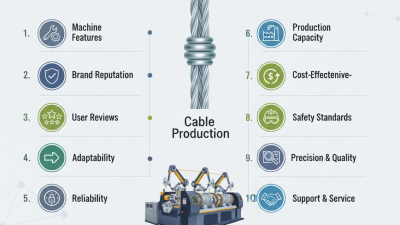
When selecting cable machinery for installation, several key factors come into play. Understanding the specific requirements of your project is crucial. Each type of cable machinery has its own features suited for distinct applications. Consider the capacity, type of cables, and the expected volume of production. These elements directly impact your operational efficiency.
Additionally, budget constraints cannot be overlooked. Cost-effective options exist, but they may sacrifice quality. It’s essential to weigh the long-term benefits against the initial investment. Prioritize machinery that offers durability and reliability. Researching different models can provide valuable insights.
Installation location is another critical aspect. Ensure adequate space and environmental conditions for the machinery. Poor installation can lead to future complications. Engaging skilled professionals for setup is advisable. Reflecting on the experience of others can guide decision-making. Each choice made now sets the stage for future success.
Understanding Different Types of Cable Machinery for Global Markets
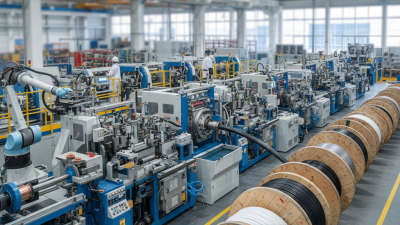
When exploring cable machinery, understanding the various types is crucial for global buyers. Cable machinery comes in several forms, each designed for specific purposes. For instance, extrusion machines are essential for producing insulated cables, while winding machines are used for assembling finished products. Buyers should thoroughly evaluate their needs before selecting equipment.
Different markets may require different machinery features. European buyers, for example, may prioritize energy efficiency due to stringent regulations. In contrast, emerging markets might focus on cost-effectiveness. This divergence in priorities can complicate decision-making. A deeper market analysis often reveals surprising insights into local needs and technological adaptations.
Buyers must also consider the installation and maintenance aspects of cable machinery. Improper setup can lead to inefficiencies and increased downtime. Engaging with local experts or technicians is advisable. They can provide invaluable insights into common pitfalls. The machinery's functionality should always be aligned with the workflow demands. Investing time in proper training for staff can enhance operational effectiveness.
Preparation Steps Before Installing Cable Machinery
Before installing cable machinery, thorough preparation is crucial. Data from industry reports indicate that around 70% of installation delays stem from inadequate planning. Proper groundwork reduces risks, enabling smoother execution.
Begin by assessing the installation site. Check for adequate space, power supply, and ventilation. This ensures machinery operates efficiently. A study revealed that machinery placed in poorly ventilated areas experienced a 30% increase in malfunction rates. Additionally, ensuring proper alignment during installation can prevent long-term operational issues.
Review the installation manuals and safety protocols. Familiarity with equipment can reduce accidents and enhance productivity. Conducting pre-installation meetings with your team boosts communication. A lack of clarity often leads to mistakes. Reflect on past installations to identify common pitfalls. Approaching each step with diligence fosters a more successful machinery setup.
Best Practices for Ensuring Safe Installation of Cable Equipment
When installing cable machinery, safety should always come first. Understanding the specific requirements of the equipment is crucial. Ensure that all installation guidelines are clearly documented and accessible to the team. Inadequate paperwork can lead to confusion and potentially dangerous situations.
Proper training is essential. Everyone involved in the installation should be knowledgeable about the equipment's functions. Regular safety drills can enhance this training. Encourage the team to ask questions and share their thoughts. This fosters a culture of safety and cooperation. It's important to review past installations to identify any missteps. Reflecting on challenges can prevent future mistakes.
Do not overlook environmental factors. The installation site should have sufficient space and proper ventilation. Poor conditions can lead to accidents and equipment damage. Additionally, double-check all electrical connections before powering up the machinery. A simple oversight can lead to severe consequences. Maintain an open line of communication throughout the process. This can significantly reduce the risk of errors during installation.
Post-Installation Maintenance Tips for Longevity and Efficiency
Regular maintenance of cable machinery is essential for efficiency. Performing frequent checks helps identify potential issues early. Schedule inspections at least once a month. Look for unusual noises, vibrations, or leaks. These signs can indicate wear and tear on critical components.
Another important tip is to keep the machinery clean. Dust and debris can accumulate, leading to decreased performance. Use a soft cloth and appropriate cleaning agents to wipe down surfaces. Pay attention to areas where cables are loaded and unloaded. These spots often collect grime over time.
Finally, lubricate moving parts regularly. Proper lubrication reduces friction and extends the life of the machinery. Use the recommended lubricants suitable for your equipment. This attention to detail is vital, yet it can be overlooked. Neglecting lubrication leads to increased wear and operating inefficiencies. Always remember that small actions can have significant impacts on overall performance.
Essential Cable Machinery Installation Tips for Global Buyers - Post-Installation Maintenance Tips for Longevity and Efficiency
| Tip Category |
Tip Description |
Frequency |
Importance Level |
| Installation |
Ensure level alignment of all machinery components. |
Once |
High |
| Installation |
Conduct a thorough inspection of power supply connections. |
Before first use |
Critical |
| Maintenance |
Lubricate moving parts regularly. |
Monthly |
High |
| Maintenance |
Clean dust and debris from machinery surfaces. |
Weekly |
Medium |
| Maintenance |
Check for any signs of wear or damage. |
Quarterly |
High |
| Operational |
Train staff on proper operation procedures. |
Annually |
Critical |