Fiber networks continue to expand, but new demand does not automatically make every used machine a good investment. The ITU’s Facts and Figures 2024 estimated that 5.5 billion people were online, underscoring the scale of global connectivity needs. The FTTH Council Europe’s 2024 Market Panorama also tracks ongoing fiber-to-the-home deployment across European markets. These reports describe the wider environment; they do not prove that a particular coating line will be profitable.
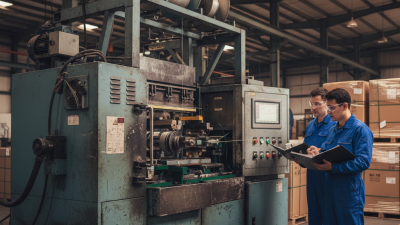
That distinction matters. A Second-Hand Optical Fiber Coating Machine may look attractive beside the price of new equipment, yet its value depends on measurable condition and fit. A worn die, unstable UV curing system, or inconsistent tension control can turn apparent savings into scrap and downtime. Ask for coating-diameter records, production logs, maintenance history, and a witnessed run using the fiber type you plan to process. Small details count. Even a clean control cabinet cannot confirm that the line holds coating concentricity at production speed.
This guide explains how to assess a used machine in 2026, from specifications and inspection to refurbishment costs and supplier verification. Treat seller claims as starting points, not proof. Some buyers focus too heavily on purchase price; that is an easy mistake. Compare realistic output, available spare parts, installation needs, and post-sale support before committing. Where records are incomplete, say so—and price the uncertainty rather than assuming it away.
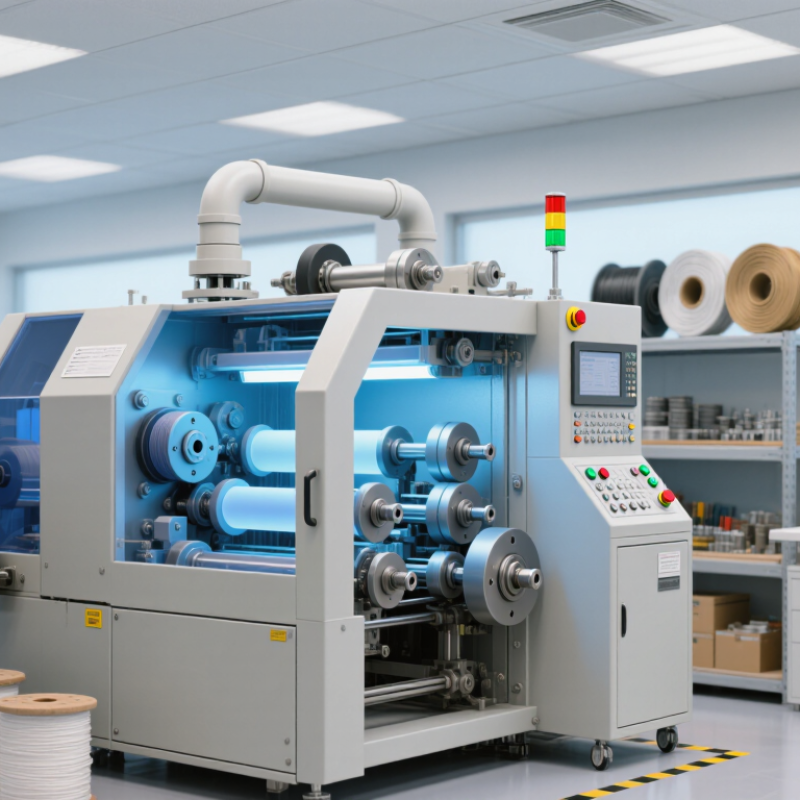
Before pricing a used optical fiber coating machine, define the product and daily output you actually need. Record fiber types, coating diameter, line speed, changeover frequency, and acceptable reject rates. A line intended for one steady production run may need less automation than a shop switching between several specifications. Be specific. “More capacity” is not a production plan.
Demand forecasts can inform the estimate, but they do not replace customer orders. The International Telecommunication Union’s Facts and Figures 2024 estimated that 5.5 billion people were online, or 68% of the world’s population. That broad connectivity growth supports continued demand for network infrastructure, including fiber, but it cannot tell you how many kilometers your own buyers will order.
Start with confirmed volumes, then model a conservative scenario. Forecasts can be wrong. So can our assumptions.
Set a budget that includes more than the seller’s asking price. Allow for inspection, transport, installation, compatible dies, calibration, operator training, and likely repairs. Ask for maintenance logs and a live run using your target fiber; check coating concentricity, curing consistency, and downtime. Compare the machine’s measured output with your required good-product output, not its advertised maximum speed. Leave a contingency for parts that are no longer readily available. A spreadsheet helps, though it will not catch every surprise.
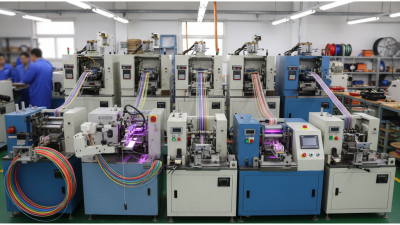
A used optical fiber coating machine should match the fiber and coating process you actually run. A standard line for single-fiber production may not suit ribbon fiber or specialty glass. Check the machine’s supported glass diameter, finished coating diameter, and number of coating layers. Small mismatches matter. A line designed for one product range can require costly tooling changes for another.
Compare rated speed with your real production target, not just the figure on an old nameplate. Ask for a witnessed run using suitable glass, and observe the coating under consistent lighting. Look for stable diameter readings, smooth take-up, and even tension through the capstan. Check the UV curing system, too: lamp output, cooling, and replacement history affect cure quality. A machine may run. That does not mean it produces acceptable fiber.
Inspect the coating dies, concentricity controls, tension sensors, and rewinder for wear or unavailable parts. Request maintenance records, operating manuals, and calibration details, then compare them with the machine’s current condition. If control screens or sensors are intermittent, budget for troubleshooting before delivery. I have seen a tidy exterior distract buyers from worn guides and inconsistent tension. That is easy to miss. A short test can also hide problems that appear only after warm-up, so allow enough time to observe steady operation.
When evaluating a used optical fiber coating machine, inspect it while it is running, not only when it is clean and switched off. Watch the coating line for vibration, uneven movement, or temperature fluctuations. A steady hum is reassuring; sudden rattles deserve attention. Check the coating applicator, curing area, rollers, and guide surfaces for residue, scoring, or corrosion. Even small scratches can affect fiber quality. Ask the seller to run the machine with a suitable test setup, and review coating thickness readings across several samples. One good sample proves little.
Service records should match the machine’s serial details, dates, and operating hours. Look for entries showing routine cleaning, replacement of wear parts, calibration, and repairs to heating or control systems. Compare those records with the physical condition. Fresh paint around a heavily worn panel is worth questioning, though it is not proof of a problem. Request maintenance invoices and note gaps in the timeline. Ask who performed the work and what parts were installed. If records are incomplete, arrange an independent inspection before agreeing on a price. I would not rely on a seller’s verbal assurance alone; paperwork can be messy, and buyers sometimes miss details when a machine appears ready to run.
When evaluating a seller, ask for the machine’s serial plate, service records, and a live demonstration. A clean housing proves little. Request coating-thickness readings and a short production run using a material similar to yours. Watch how the operator handles alarms, threading, and shutdown. Ask who performed maintenance and when. Verify that the seller can explain the machine’s limits, not only its best results. Small gaps in the records may be genuine, but they should affect your confidence and price.
Compare the asking price with the cost of inspection, transport, installation, and likely repairs. Get an itemized quotation. Check whether it includes essential parts, software access, manuals, and operator training. A low price can turn expensive quickly. Ask for recent photos of wear points, such as rollers, guides, and the coating head. If the seller refuses a reasonable independent inspection, pause. I would not treat a polished video as proof of reliable performance; it is useful, but incomplete.
Put the purchase terms in writing before payment. Specify the machine configuration, included accessories, delivery condition, inspection window, and what happens if the equipment fails the agreed test. Clarify payment milestones and who pays for loading and freight. Avoid vague promises like “working condition.” Define a measurable acceptance test instead, including run duration and acceptable coating variation. Used equipment rarely arrives perfectly. Leave room in the budget for adjustments, even when the seller seems trustworthy.
| Evaluation Area | What to Check | Evidence to Request | Decision Guidance |
|---|---|---|---|
| Seller identity and authority | Confirm the seller’s legal identity, business address, ownership of the equipment, and authority to sell it. | Business registration details where applicable, proof of ownership, equipment serial or asset number, and a written sale authorization if the seller is acting for another owner. | Pause the transaction if ownership is unclear or the equipment cannot be matched to the sale documents. |
| Machine identification and history | Record the manufacturer-independent model designation, serial number, year, configuration, operating history, and any modifications. | Photographs of identification plates, maintenance records, repair history, and a list of included modules and accessories. | Compare the equipment’s configuration with its documentation; investigate missing records or unexplained modifications. |
| Process capability | Check that the machine supports the buyer’s fiber type, coating material, target coating diameter, production process, and required line setup. | Technical specifications, compatible material information, process documentation, and a witnessed demonstration using an agreed test setup. | Do not rely on a general description such as “production ready”; verify the actual configuration against the intended application. |
| Mechanical and electrical condition | Inspect the fiber handling path, alignment, drive and take-up systems, controls, electrical components, guarding, and safety interlocks. | Recent inspection report, close-up photographs, maintenance history, and an in-person or live-video inspection with the machine powered on where safe. | Have a qualified technician assess faults, obsolete components, and the availability of replacement parts before agreeing on value. |
| Functional acceptance test | Agree on a test procedure covering startup, stable operation, process settings, product inspection, and any buyer-specific acceptance criteria. | Written test protocol, dated test results, sample measurements, and a record of the materials and settings used. | Define pass/fail criteria in writing; a demonstration without agreed measurements is not a substitute for acceptance testing. |
| Price and total acquisition cost | Compare the asking price with the machine’s age, condition, configuration, service history, and included equipment. Add inspection, dismantling, packing, transport, installation, and commissioning costs. | Itemized quotation, list of included and excluded items, freight estimate, and separate estimates for refurbishment or installation if required. | There is no dependable universal used-machine price: obtain comparable, configuration-matched quotations and calculate the total cost to make the machine operational. |
| Service and parts support | Establish whether technical documentation, software, spare parts, and qualified service support are available for the specific machine configuration. | Parts list, manuals, software or license details, support contact information, and written confirmation of any included training or service. | Account for longer repair lead times or unavailable parts when assessing operational risk and negotiating the purchase price. |
| Payment protection | Set payment milestones that correspond to documented events, such as contract signing, successful inspection, and readiness for shipment. | Signed purchase agreement, itemized invoice, verified payment instructions, and receipts for each payment. | Verify any change to bank or payment details through a previously confirmed contact channel; avoid paying the full amount before agreed checks are complete. |
| Warranty and remedies | Clarify whether the machine is sold as-is or with a limited warranty, and identify the scope, duration, exclusions, and remedy for covered issues. | Warranty language in the signed contract, or an explicit written statement that no warranty is provided. | Do not treat verbal assurances as contract terms. Specify who bears repair, return, or replacement costs if the equipment fails the agreed acceptance test. |
| Shipping, title, and risk of loss | Assign responsibility for disconnection, decontamination where relevant, dismantling, packing, loading, transport, insurance, and delivery. | Written shipping plan, packing and loading responsibilities, insurance details, delivery terms, and the point at which title and risk transfer. | Use clear contract language and confirm that the site can safely receive and install the equipment before shipment is authorized. |
| Contract and documentation | Ensure the agreement identifies the equipment, purchase price, included items, inspection and acceptance conditions, payment schedule, and dispute process. | Signed contract, invoice, equipment schedule, test records, and copies of manuals and maintenance documents to be delivered. | Resolve inconsistencies between the listing, invoice, and contract before signing or transferring funds. |
Note: Machine suitability, costs, and legal obligations depend on the specific equipment, transaction, and destination. Verify technical claims through inspection and testing, and obtain appropriate legal, shipping, and safety advice where needed.
Before payment, arrange a witnessed test using the machine’s actual coating line, not an empty demonstration. Ask the seller to record line speed, coating diameter, concentricity, tension stability, and curing performance. Check alarms and emergency stops, too. Small details matter. Inspect the die, guides, UV lamps, and control cabinet for wear, contamination, or improvised repairs. Request maintenance records and a list of included tooling. If test results vary, pause and agree on acceptable limits in writing.
Plan transport around the machine’s most sensitive parts. Have qualified movers secure the tower, cabinets, and cable runs according to the manufacturer’s handling instructions. Photograph connections before disassembly, label cables, and protect dies and optical components from dust and impact. Confirm the crate dimensions, lifting points, and site access before shipping. A doorway overlooked on paper can become an expensive delay.
At installation, verify floor level, power quality, grounding, cooling, ventilation, and any required clean, dry air. Use a technician familiar with coating lines to reconnect and align the equipment. Commission with a short production trial, then inspect coated fiber at several points along the run. Keep the readings. Compare them with the agreed test criteria, and train operators on setup and fault recovery. Even a careful restart may expose old wear that the factory test missed. That possibility deserves a budget and schedule allowance.