Choosing a Second-Hand Cable Armoring Machine demands more than comparing prices and photographs. The machine may look polished, yet its bearings can still growl under load. A clean paint job can mislead you.
In my experience, the safest evaluation begins with production history. Ask for the machine’s age, previous cable sizes, operating hours, maintenance records, and reason for sale. Cable machinery consultant Dr. Martin Keller states, “A used armoring line is valuable only when its working history is visible.” That principle should guide every inspection.
Examine the armoring cage carefully. Check spindle alignment, gear wear, shaft play, and lubricant leakage. Rotate each spindle slowly. Listen for uneven noise. Inspect the capstan, dancer unit, take-up, pay-off, and tension controls. Small vibration marks may reveal years of instability. The control cabinet also deserves attention. Look for obsolete drives, damaged wiring, missing labels, and unavailable components.
Request a live demonstration with a suitable cable diameter. Observe strip tension, line speed, armor overlap, and cable tracking. Compare the result with the seller’s stated capacity. Do not trust capacity figures alone. They may describe ideal conditions, not daily production.
A reliable supplier should provide drawings, manuals, test results, and spare-parts support. Independent inspection is wise, especially for an older Second-Hand Cable Armoring Machine. I would also budget for unexpected repairs. That part is often underestimated.
The right purchase is not always the cheapest one. It is the machine that can produce stable armor, accept practical maintenance, and support your future workload. Yet even this approach has limits. Some hidden defects appear only after installation. That risk deserves an honest budget.
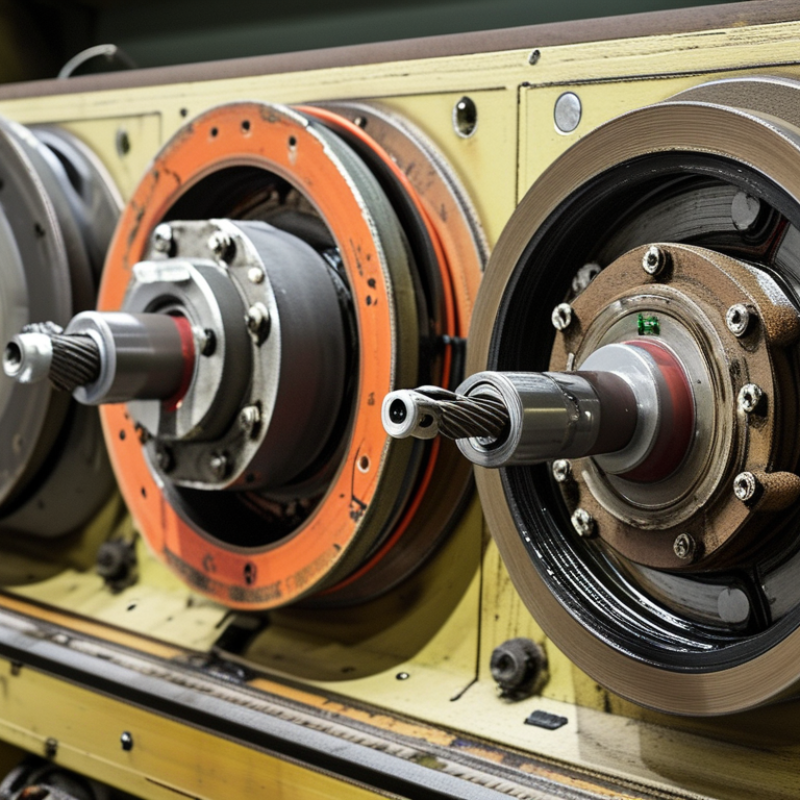
A second-hand cable armoring machine is pre-owned equipment that wraps protective metal wires or tapes around insulated cables. It strengthens cables used in power, control, and industrial applications. The machine usually includes an armoring cage, pay-off stand, tension controls, a die, and a take-up system. Its condition depends on previous production, maintenance, storage, and operator care.
In a practical inspection, look closely at the armoring cage. It should rotate smoothly without unusual vibration or grinding noise. Check the bearings, shafts, gears, and tensioners for wear. Small cracks around the frame may become serious under continuous load. Ask for maintenance records, wiring diagrams, and recent production samples. A clean exterior means little if the control cabinet contains loose wires or overheated components.
Cable alignment matters greatly. Run a short test with suitable material and observe the pitch, tension, and surface finish. Uneven spacing can indicate worn guides or inaccurate speed control. I have seen buyers focus on purchase price and overlook installation costs. That mistake can be expensive. No inspection is perfect. A technician may still miss hidden fatigue inside a gearbox. Confirm spare-part availability, operator training needs, safety guarding, and compatibility with your cable diameter range before making a decision.
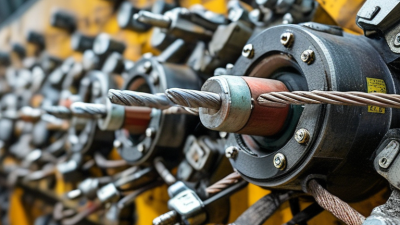
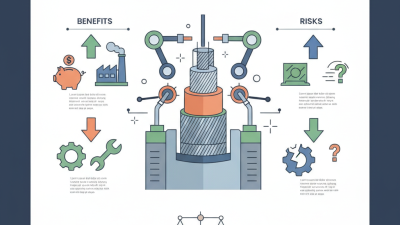
A second-hand cable armoring machine is previously used equipment designed to apply steel wires or metal tapes around insulated cables for mechanical protection. The chart shows a practical evaluation weighting that can help buyers compare used machines. Mechanical condition and compatibility are especially important because they directly affect cable quality, production stability, and future maintenance costs.
Before purchasing, verify the machine’s cable diameter range, armor wire or tape specifications, production speed, electrical controls, safety systems, maintenance records, and availability of replacement parts.
How to Choose a Second Hand Cable Armoring Machine?
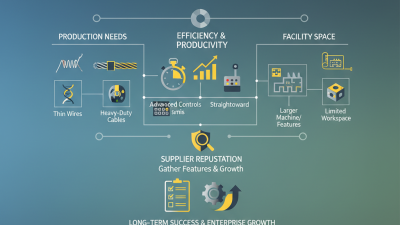
A second hand armoring machine must match your cable range, not just its advertised speed. Check the minimum and maximum cable diameters carefully. A machine for small control cables may struggle with large power cables. It should support the materials you plan to use, including galvanized steel wire, aluminum wire, and steel tape. Some production lines handle one method only. Others switch between wire armor and tape armor with adjustable tooling.
Examine the armoring method in detail. Wire armoring requires stable tension, accurate wire alignment, and consistent closing pitch. Tape armoring needs controlled overlap and smooth tape feeding. For interlocked armor, inspect the forming dies and locking guides for wear. Run a sample cable if possible. Watch for uneven gaps, loose armor, or crushed insulation. These defects often appear after several minutes, not immediately. I have seen machines perform well during a short test, then lose tension under continuous production. That possibility deserves attention.
Tips: Measure your cable diameter, armor size, pitch, and target speed before visiting the seller. Ask for maintenance records and previous production samples. Inspect bearings, dancer systems, gearboxes, and electrical controls. Confirm that replacement tooling is still available. Do not trust a clean appearance alone. A polished frame can hide worn guides. Leave room for doubt, and budget for calibration after installation.
Use this comparison table to match a used armoring machine with the cable constructions, armor materials, and production requirements that you actually need. All capability figures should be confirmed against the machine nameplate, drawings, tooling list, and a production trial.
| Cable Type or Application | Typical Cable Construction | Required Armoring Method | Common Armor Material | Machine Features to Confirm | Typical Use of the Armor | Second-Hand Purchase Risk |
|---|---|---|---|---|---|---|
| Low-voltage power cables | Single-core or multicore insulated conductors with an inner sheath or bedding layer. | Steel tape armor or steel wire armor, depending on the cable design and installation requirement. | Galvanized steel tape, galvanized steel wire, or aluminum wire for selected designs. | Compatible armor head, stable take-up, adjustable tension, correct laying pitch, and tooling for the required cable diameter range. | Mechanical protection and, where applicable, an earth continuity path. | Check whether the machine can handle the required tape width, wire diameter, and finished cable diameter. |
| Medium-voltage power cables | Conductors, insulation, screens, metallic water-blocking or shielding layers, bedding, armor, and outer sheath. | Usually steel wire armor or aluminum wire armor; the exact design depends on electrical and installation requirements. | Galvanized steel wire or aluminum wire. | Precise tension control, low surface damage, controlled wire alignment, suitable pay-off capacity, and a carefully maintained armor cage. | Mechanical protection and fault-current or bonding requirements as specified by the cable design. | Verify compatibility with screened cable geometry and confirm that the armor process will not damage insulation screens or metallic layers. |
| Control and instrumentation cables | Multiple small insulated cores, often grouped around fillers and covered by bedding or an inner sheath. | Steel tape armor is common; steel wire armor is used when greater mechanical protection is required. | Galvanized steel tape or small-diameter galvanized steel wire. | Small-diameter tooling, accurate tension adjustment, low-speed stability, and a cage suitable for small cable diameters. | Protection against crushing, impact, and installation damage. | Inspect dancer systems, tension brakes, and small-wire guides for wear because poor control can deform the core assembly. |
| Telecommunication and data cables | Twisted pairs, coaxial elements, optical fibers, or grouped communication units with protective layers. | Steel tape, aluminum-polymer tape, or specially specified wire armor; the process depends strongly on cable sensitivity. | Steel tape, aluminum tape, or other specified metallic protection layers. | Low and consistent tension, smooth tape guidance, accurate overlap control, and no sharp edges or burrs in the material path. | Protection from rodents, crushing, moisture-related damage, and installation stress. | Do not use a machine without a proven low-tension setup or suitable tooling for sensitive optical and communication cables. |
| Submarine or rugged outdoor cables | Heavy-duty cable constructions with water-blocking components, robust bedding, and one or more protective layers. | Multiple steel wire layers, heavy wire armor, or specialized tape systems. | Galvanized steel wire, stainless steel wire, or other specified corrosion-resistant materials. | High-capacity pay-off and take-up, reinforced cage, high torque capability, strong braking, and production control for heavy cable masses. | High mechanical protection, pulling resistance, and environmental durability. | Confirm maximum line load, cage strength, motor capacity, and take-up reel dimensions before purchase. |
| Flat or parallel-core cables | Parallel insulated cores or a flat cable assembly with a defined width and thickness. | Flat steel tape or a specially configured wire armor system, if the cable design permits it. | Steel tape or other approved metallic armor material. | Dedicated forming and guiding components, adjustable width control, and tooling designed for non-circular cable geometry. | Mechanical protection while preserving the specified flat profile. | A standard round-cable armor cage may not produce uniform coverage or acceptable geometry on flat cables. |
| Single-core cables requiring non-magnetic armor | One insulated conductor with screen or sheath layers and a metallic protective layer. | Non-magnetic wire armor, commonly aluminum wire for suitable cable designs. | Aluminum wire or another material specified by the electrical design. | Dedicated aluminum-wire pay-offs, suitable tension ranges, corrosion-resistant contact surfaces, and compatible wire guides. | Mechanical protection while limiting magnetic effects around a single-core alternating-current cable. | Do not assume a steel-wire machine is suitable; confirm the material, wire size, tension, and electrical design requirements. |
| Tape-armored cable designs | Round cable with bedding followed by one or more helically applied metal tapes and an outer sheath. | Helically applied tape armor with controlled overlap. | Galvanized steel tape, stainless steel tape, aluminum tape, or another specified tape. | Tape pay-off, edge alignment, overlap adjustment, tape-width range, tension control, and a functioning accumulator or dancer system. | Protection from impact, crushing, and some environmental hazards. | Measure actual tape overlap and inspect edge guides, tension rollers, and tape brakes for scoring or uneven wear. |
| Wire-armored cable designs | Round cable with bedding followed by helically laid wires and usually an outer protective sheath. | Single-layer or multi-layer helical wire armor. | Galvanized steel wire, aluminum wire, or another specified metallic wire. | Number of wire pay-offs, cage rotation, wire tension control, wire diameter range, pitch adjustment, and take-up torque. | High mechanical protection, improved pulling performance, and resistance to external impact. | Verify that all pay-offs run at matched tension and that the cage can maintain uniform wire spacing at the target speed. |
| Multi-layer armored cables | Cable with two or more armor or shielding layers, sometimes using different materials or lay directions. | Sequential tape-and-wire, wire-and-wire, or other specified multi-stage armoring process. | Combination of steel tape, steel wire, aluminum wire, or other approved materials. | Multiple compatible armor stations, sufficient line length, synchronized speed control, correct intermediate guides, and adequate take-up capacity. | Combined mechanical, electrical, and environmental protection. | Confirm that the machine is a complete multi-stage line rather than a single armor head with optional but missing components. |
When choosing a second hand cable armoring machine, inspect its mechanical condition under real operating load. A clean exterior proves very little. Check the armoring head for cracks, uneven rotation, and excessive bearing noise. Measure shaft runout with a dial indicator. Inspect gears for chipped teeth and dry grease. Examine the capstan, take-up unit, and tension rollers for grooves or misalignment. Ask for service records, but verify them against wear. Records can be incomplete.
Run the machine with cable installed, not empty. Watch vibration, wire tension, cage balance, and emergency-stop response. The U.S. Department of Energy’s Operations and Maintenance Best Practices Guide reports predictive maintenance can reduce costs by 8–12% versus preventive maintenance, and by 30–40% versus reactive maintenance. Electrical checks deserve equal attention. Test insulation resistance, protective-earth continuity, terminal tightness, and motor current on every phase. Compare readings with the motor plate and IEC 60204-1 requirements. The International Energy Agency estimates motor systems use about half of global electricity, so inefficient drives may quietly increase operating costs. Inspect the control cabinet for heat marks, brittle insulation, moisture, and obsolete components. Use a thermal camera during operation. A slightly warm terminal is easy to dismiss, but it can signal future failure. I would not approve the purchase from one short demonstration. A longer trial may reveal faults that a polished inspection hides.
Verify production capacity from physical evidence, not the seller’s brochure. Request recent production logs, cable diameter ranges, line speed, and actual output per shift. Compare those figures with your planned cable size and material. A machine rated at 500 meters per minute may produce far less under heavy steel wire tension. Ask for a live trial using similar wire. Measure speed, tension stability, scrap rate, and changeover time. A spreadsheet can lie.
Safety checks need equal attention. Inspect guards, emergency stops, interlocks, rotating cages, and electrical cabinets. Confirm that safety circuits respond correctly, not merely that warning labels remain visible. The International Labour Organization reported about 2.93 million work-related deaths and 395 million non-fatal injuries globally in 2023. Used equipment deserves stricter questioning, especially when records are incomplete. I would reject any machine with unexplained bypassed switches.
Maintenance evidence should include lubrication schedules, bearing replacements, motor history, and fault records. Check whether manuals, wiring diagrams, and spare parts lists are available. The U.S. Department of Energy reports that motor-driven systems consume more than 70% of industrial electricity in the United States. Poor alignment can therefore raise both downtime and energy costs. McKinsey research indicates predictive maintenance may reduce downtime by 30–50% and maintenance costs by 20–30%. These figures are not guarantees. Inspect the machine yourself. A clean frame may hide tired bearings.
How to Choose a Second Hand Cable Armoring Machine?
When I assess a second hand cable armoring machine, I calculate the complete operating cost. The purchase price is only one part. Ask for freight, unloading, installation, training, and electrical upgrades. Include tooling, lubricants, spare parts, and expected maintenance. A low-cost machine may need a new gearbox or tension controller. That can change the budget quickly. Check its power consumption against your production schedule. Record every estimate in one spreadsheet.
Inspect the armoring cage, take-up system, wire guides, bearings, and control cabinet. Ask for recent production videos with similar cable sizes. Request maintenance records, repair invoices, manuals, and a clear machine history. A clean photo can hide worn rollers. I learned that lesson once. Do not rely on appearance alone. If possible, arrange an independent inspection before payment. Measure vibration, listen for unusual noise, and check emergency controls during a live test.
A reliable seller explains defects without pressure. They provide a written specification, serial information, delivery terms, and warranty limits. Ask how quickly they supply critical spare parts. Confirm who handles installation problems after delivery. Speak with previous buyers, but check references carefully. One positive review is not enough. Compare the seller’s answers with the machine’s test results. If details keep changing, pause the purchase. My own comparisons are not perfect, especially when future repair costs are uncertain. Leave a contingency amount for unexpected downtime and obsolete components. The cheapest offer is not always the safest investment.