What is a Second-Hand Cable Armoring Machine and How Does It Work?
The "Second-Hand Cable Armoring Machine" plays a crucial role in the cable manufacturing industry. This machine is designed to protect cables, thus ensuring durability and performance. With the growing demand for cable products, understanding how these machines function becomes essential for manufacturers and buyers.
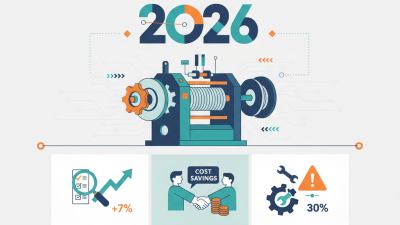
A second-hand machine can offer significant cost savings. Yet, potential buyers must critically assess its condition and reliability. Factors like wear and tear can affect performance. This reflection helps ensure the machine meets production standards without unexpected downtime.
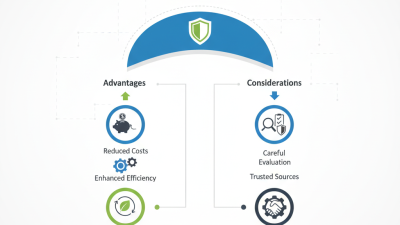
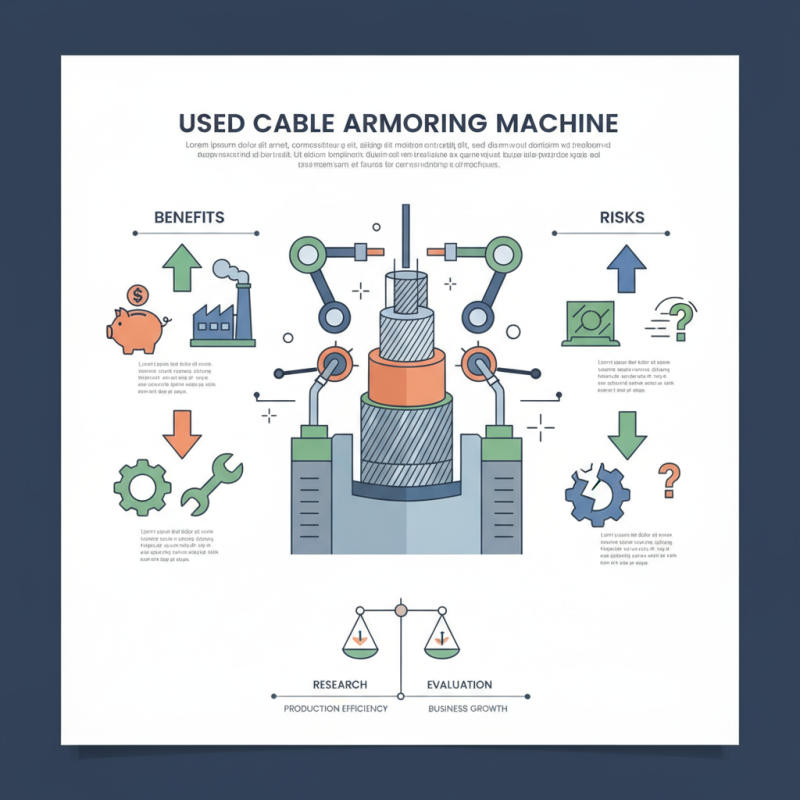
Investing in a second-hand cable armoring machine can be a double-edged sword. While it presents an economical option, buyers must weigh the risks against potential benefits. Thorough research and evaluation are key to making informed decisions. Ultimately, the right second-hand machine can enhance production efficiency and contribute positively to business growth.
What is a Second-Hand Cable Armoring Machine?
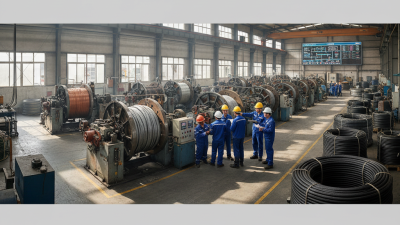
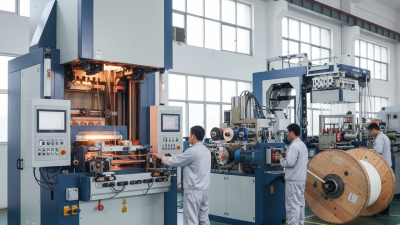
A second-hand cable armoring machine is a crucial tool in the cable manufacturing industry. These machines are designed to apply protective armor layers to cables, enhancing their durability and resistance to environmental factors. Used machines can significantly lower production costs, making them an attractive option for smaller manufacturers. According to recent industry reports, the global cable market is expected to reach $300 billion by 2025, indicating a robust demand for efficient production machinery.
Second-hand machines often come with a wealth of operational history. However, potential buyers must assess their condition thoroughly. Many factors influence functionality, such as wear and tear, maintenance records, and technological upgrades. Utilizing these machines can sometimes lead to inconsistencies in production quality. In contrast, newer models may provide better efficiency and lower failure rates. Buyers must weigh the cost savings against potential quality issues when considering a second-hand option.
The installation and calibration of used machines can also be a challenge. Proper training is vital for operators to maximize productivity. A lack of familiarity might lead to inefficiencies or increased downtime. Ensuring that team members are well-versed in machine operation enhances both safety and output. Investing in a second-hand cable armoring machine requires careful contemplation but can yield significant benefits with the right approach.
Key Components of a Second-Hand Cable Armoring Machine
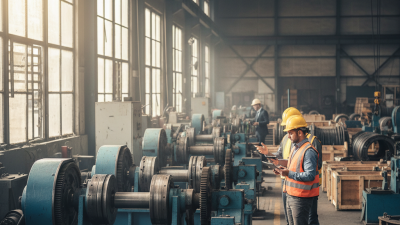
A second-hand cable armoring machine is crucial in manufacturing armored cables. Its primary role is to apply protective layers to cables, enhancing durability and safety. Understanding its key components helps users operate these machines effectively.
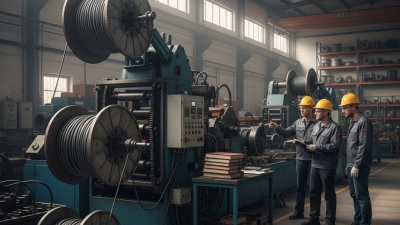
The machine's core includes an extraction unit, which applies the armor material, typically steel or aluminum. The core also comprises a pay-off unit for the cable and a take-up unit for the finished product. These elements work together to ensure smooth operations. Recent industry reports suggest that the global demand for armored cables has increased by over 15% in the past five years, emphasizing the importance of these machines in production lines.
Tips: When purchasing a second-hand machine, inspect the extrusion unit carefully. Look for signs of wear, as this can affect cable quality. Consider requesting a demo to test its performance.
While second-hand machines can save costs, they may require maintenance. Ensure you have access to spare parts. Some machines may lack the latest technology, impacting efficiency. Stay updated with industry standards to ensure compliance.
How Does the Cable Armoring Process Work?
The cable armoring process is crucial for protecting cables used in various industries. It involves applying layers of armoring materials to enhance durability. Typically, this process combines mechanical and thermal methods to ensure an effective shield against physical damage and environmental factors. Reports indicate that 80% of cable failures happen due to external impacts. This highlights the importance of robust armoring.
During the armoring process, the cable undergoes several stages. Initially, a core cable is prepared, followed by the application of metal strips or wires in a helical fashion. This creates a protective layer around the cable. The entire assembly is then subjected to heating, which solidifies the armoring material, forming a resilient outer shell. Industry standards reveal that armoring can increase cable lifespan by 40% under harsh conditions.
Despite advancements, challenges remain. The choice of armoring materials can significantly impact performance. Some materials may not hold up against extreme temperatures, leading to premature failures. Regular assessments of armoring effectiveness are essential. Companies often overlook these checks, resulting in costly outages. Emphasizing on quality materials and proper application techniques is vital for achieving the desired protection and longevity in cables used across sectors.
Factors to Consider When Buying a Second-Hand Machine
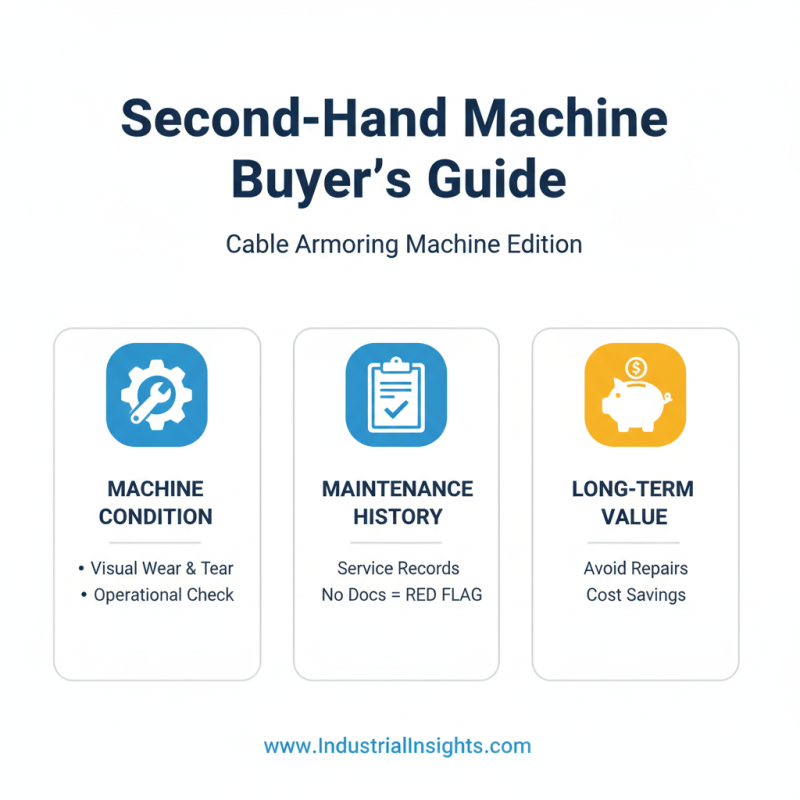
When considering a second-hand cable armoring machine, several factors come into play. Firstly, assess the machine's condition. Look for signs of wear and tear. A well-maintained machine can save you money in the long run. Check the maintenance history; absence of documentation is a red flag. You want to avoid unexpected repairs.
Next, evaluate the machine's specifications. Ensure it meets your production needs. Consider the type of cables you typically work with. A machine that suits one type may not suit another. Research the machine's performance ratings as well. User reviews can provide insight into reliability and efficiency.
Finally, think about the availability of replacement parts. Machines can become obsolete, making repairs difficult. If parts are hard to find, it can lead to downtime. Explore whether the seller provides support after the sale. This can be a deciding factor in your purchase decision. Balancing these considerations can lead to a more informed choice. However, remember that no machine is perfect, and some compromises may be necessary.
Benefits and Challenges of Using Second-Hand Equipment
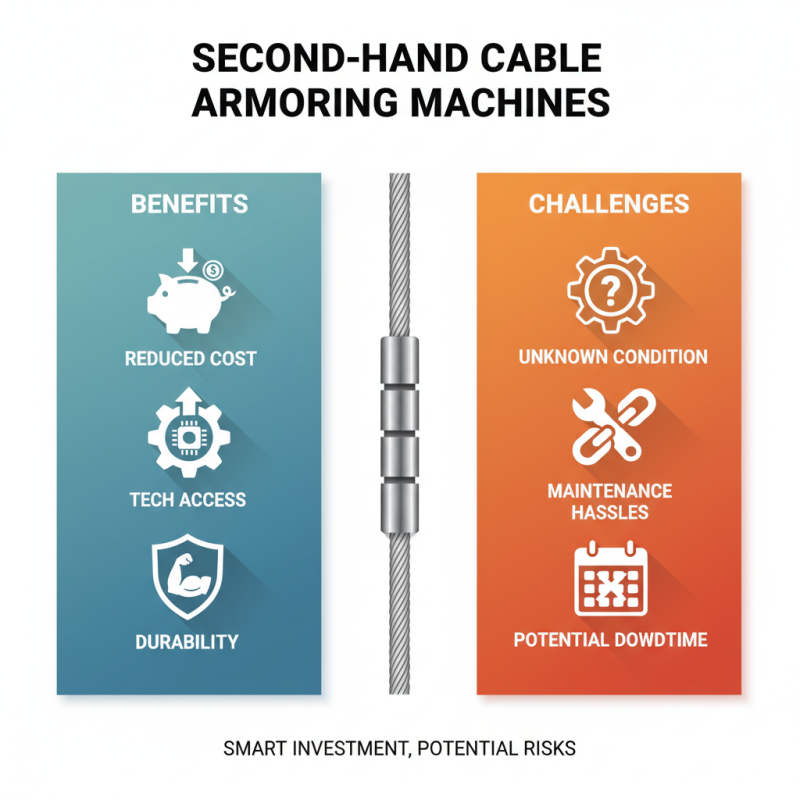
Using second-hand cable armoring machines can be a practical choice for businesses. They often come at reduced prices, which helps in budget management. Companies can access advanced technology without spending a fortune. Additionally, these machines are often durable and built to last, making them valuable investments.
However, there are challenges to consider. Reliability can vary based on the machine's previous usage and maintenance history. Potential buyers should be cautious and conduct thorough inspections. A lack of warranty or support might add to the risks. Additionally, older machines may not meet current efficiency standards, leading to higher operational costs.
Despite these challenges, many businesses find second-hand machines suitable. They can be an excellent opportunity for cost savings and efficiency. Investing time in research and machine verification is crucial. Understanding the machine's condition can prevent costly mistakes and ensure smoother operations. Embracing second-hand options could lead to innovative solutions for many industries.