Top 10 Cable Drawing Machines Buyers Should Consider?
In the fast-evolving world of manufacturing, selecting the right Cable Drawing Machines is crucial for producers. These machines play a vital role in shaping the efficiency of wire production. With numerous options available, buyers face a daunting task. Features, specifications, and costs vary significantly, leaving many wondering where to start.
Understanding each machine's unique capabilities is necessary for informed decisions. Some machines offer advanced technology, enhancing speed and precision. Others might lag in innovation but present a cost-effective solution. It’s essential to weigh these aspects carefully before purchasing. Not every model may meet your production needs, which can lead to potential setbacks.
As buyers navigate this complex landscape, insights into the top machines can provide clarity. Buyers should seek advice from industry experts. Evaluating reliability and performance data from reputable sources strengthens the decision-making process. In purchasing Cable Drawing Machines, consider not only the initial investment but also the long-term value they offer. The right choice can lead to increased productivity and profitability in the long run.
Types of Cable Drawing Machines and Their Applications in Industry
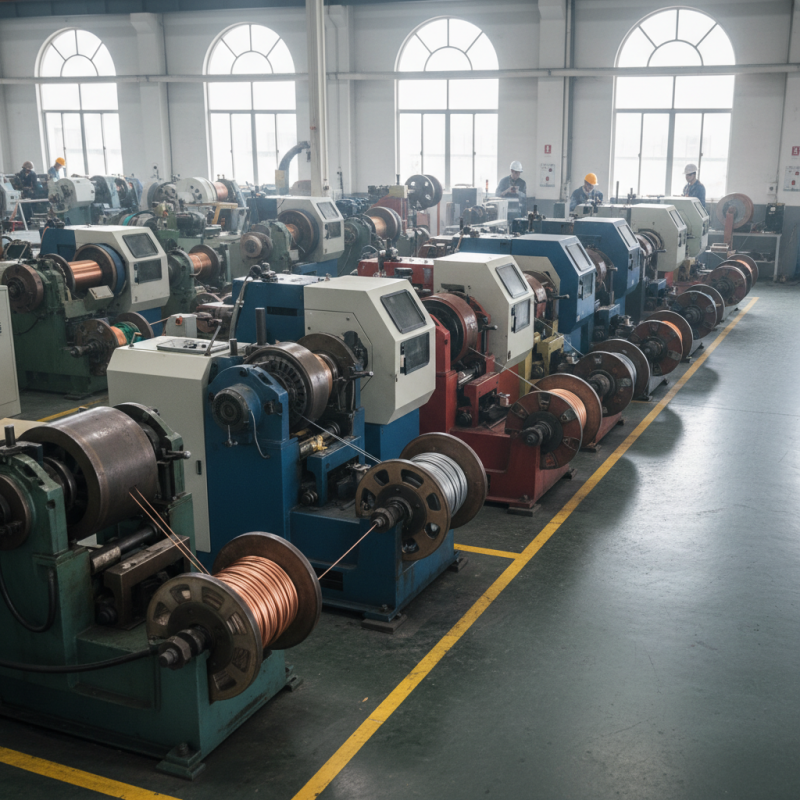
Cable drawing machines are essential in various industries. These machines transform raw metal into finely drawn wire. They serve many applications, including telecommunications, construction, and automotive manufacturing. In this blog, we’ll explore the types of cable drawing machines and their unique roles.
There are several types of cable drawing machines. Each has its own advantages. For instance, single wire draw machines are ideal for smaller projects. They offer precision and efficiency for delicate wires. Multi-wire drawing machines are better for larger operations. They can process multiple wires simultaneously, which increases productivity. However, the complexity of these machines can lead to maintenance challenges. Operators must ensure proper training to avoid costly downtime.
Then, there are specialized machines, like those for insulated wire. They accommodate different insulation materials and thicknesses. These are crucial in ensuring wire safety and functionality in harsh environments. Choosing the right machine requires understanding project demands. This can sometimes be a trial-and-error process. Investing in robust machines can pay off in reliability and output quality, but it’s important to review your specific needs carefully.
Key Features to Evaluate When Selecting Cable Drawing Machines
When evaluating cable drawing machines, several key features demand attention. Speed is vital. A machine that operates effectively at higher speeds boosts productivity. Reports indicate that machines with speeds exceeding 300 meters per minute can enhance output by around 30%.
Force application is another crucial factor. High-quality machines should apply consistent force while drawing cables. Variability in force can lead to defects. Consistent force reduces waste, ultimately benefiting profitability. According to industry studies, variations can increase production costs by up to 15%.
Energy efficiency is paramount in modern manufacturing. Energy-efficient machines can significantly lower operational costs. New advancements claim a 25% reduction in energy consumption compared to older models. Investing in technology that supports energy efficiency is not just an option; it is a necessity for sustainable growth. Selecting a machine that aligns with these critical features ensures reliability and enhances overall performance.
Market Trends and Demand for Cable Drawing Machines in 2023
The demand for cable drawing machines has seen a significant increase in 2023, driven by advancements in technology and growing industries. According to the latest market report, the global cable drawing machine market is projected to reach USD 3.5 billion by 2025, reflecting a compound annual growth rate (CAGR) of 4.5% from 2023. This growth highlights the rising need for efficient, high-quality cable production.
Industries such as telecommunications and power generation have been major contributors to this trend. These sectors require specialized machines that can deliver precise wire sizes and material specifications. A notable trend is the shift towards automation in cable production. Machines equipped with IoT capabilities have proven to enhance operational efficiency. However, there is an ongoing challenge related to the high initial investment for such advanced technologies.
Another concern is environmental regulations that require manufacturers to adopt eco-friendly practices. This shift could impact machine design and operation significantly. As buyers consider their options, they must assess both current capabilities and future regulatory environments. The integration of green technologies may add complexity but also presents opportunities for innovation in cable production.
Top 10 Cable Drawing Machines Buyers Should Consider in 2023
| Rank |
Machine Type |
Drawing Capacity (kg) |
Wire Diameter Range (mm) |
Power Consumption (kW) |
Market Demand (Units) |
| 1 |
Single Wire Drawing Machine |
500 |
0.5 - 3.0 |
25 |
1200 |
| 2 |
Multi Wire Drawing Machine |
750 |
0.2 - 1.0 |
30 |
800 |
| 3 |
Planetary Wire Drawing Machine |
1000 |
0.8 - 5.0 |
45 |
600 |
| 4 |
Continuous Wire Drawing Machine |
1200 |
1.0 - 4.0 |
50 |
500 |
| 5 |
High Speed Wire Drawing Machine |
1500 |
0.5 - 3.5 |
70 |
300 |
| 6 |
Double Wire Drawing Machine |
900 |
0.3 - 2.5 |
35 |
450 |
| 7 |
Die drawing Machine |
1100 |
0.6 - 4.0 |
60 |
350 |
| 8 |
Bar Drawing Machine |
1300 |
1.0 - 6.0 |
80 |
200 |
| 9 |
High Precision Wire Drawing Machine |
1600 |
0.2 - 2.0 |
90 |
150 |
| 10 |
Custom Wire Drawing Machine |
1400 |
0.8 - 5.5 |
75 |
100 |
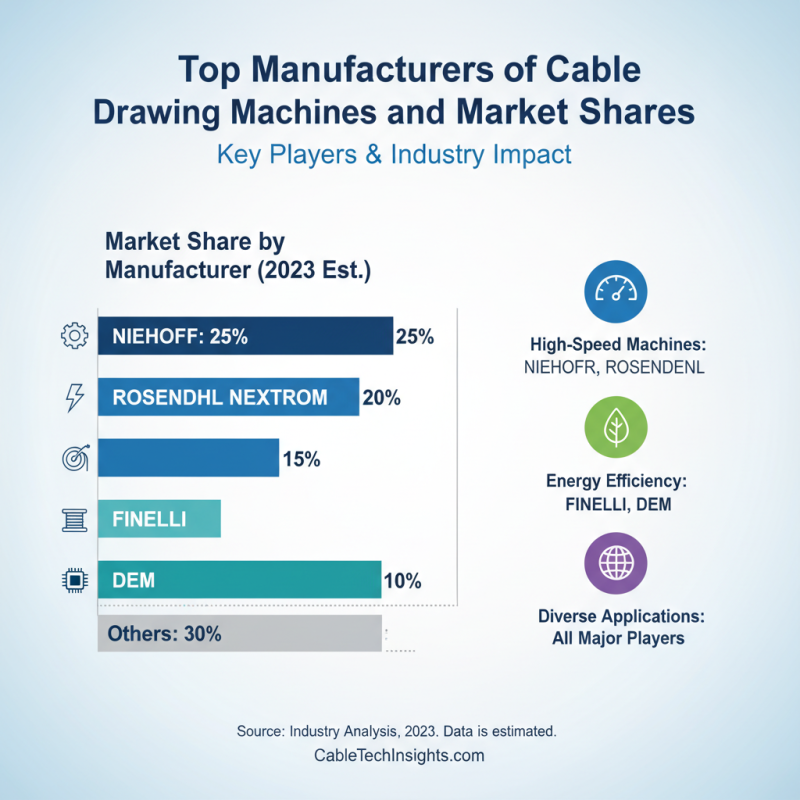
Top Manufacturers of Cable Drawing Machines and Their Market Shares
When considering the market for cable drawing machines, understanding manufacturers is crucial. The landscape is diverse, with companies specializing in various technologies and applications. Their market shares reflect their impact and reputation in the industry. Some manufacturers excel in producing high-speed machines, while others focus on energy efficiency.
The global competition is fierce. Many companies have established themselves as leaders, emphasizing quality and innovation. However, market dynamics often shift. This creates opportunities for smaller or emerging manufacturers to gain traction. Buyers should evaluate each manufacturer's long-standing experience and specialized knowledge in cable drawing machinery. Industry certifications and customer testimonials can provide insights into their reliability.
Despite the many options, buyers face challenges. Technical support and after-sales service vary greatly among manufacturers. It’s essential to assess these factors carefully. Some brands may promise advanced features but fail in practical application. Always consider the balance between cost and quality to determine the best choice for your needs.
Maintenance and Operational Efficiency of Cable Drawing Machines
The operational efficiency of cable drawing machines significantly impacts production output. Regular maintenance is crucial. According to a recent industry report, machines that undergo consistent servicing can achieve up to 20% higher performance levels. This statistic underscores the importance of scheduled check-ups.
Additionally, proper lubrication and tension adjustments play a vital role in machine longevity. A study indicated that improper lubrication can reduce machine lifespan by as much as 30%. Many operators overlook this aspect. Neglecting these details often leads to unexpected breakdowns, which can halt production.
To optimize efficiency, operators should document all maintenance actions. This practice helps identify recurring issues. It also allows for better planning of repairs and replacements. Investing time and resources into maintenance can yield substantial cost savings in the long run. Data shows that businesses focusing on maintenance see an increase in overall productivity and reduced downtime.
Top 10 Cable Drawing Machines Buyers Should Consider