Top 10 Cable Manufacturing Machines in China for Global Buyers?
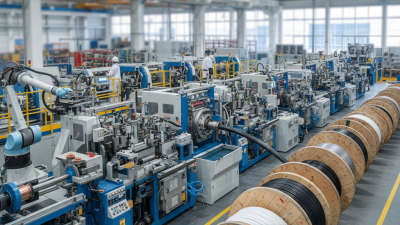
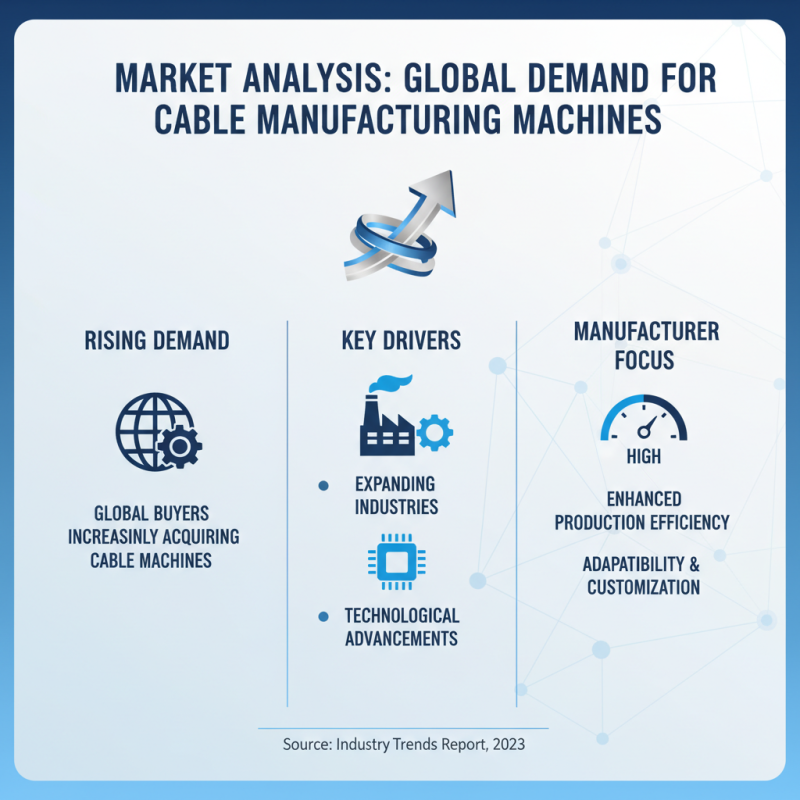
In recent years, the demand for high-quality cable manufacturing machines has surged globally. Buyers are looking for reliable equipment that can meet their production needs efficiently. China has emerged as a leader in this sector, offering innovative technology and competitive prices.
The country's factories produce a wide variety of cable manufacturing machines, catering to different specifications. From simple wire drawing machines to complex extrusion lines, the options are numerous. However, choosing the right equipment requires understanding specific requirements and capabilities.
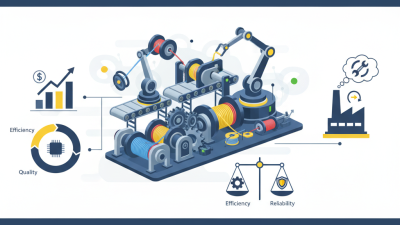
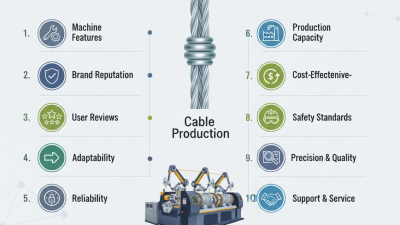
Buyers must consider factors such as machine durability, ease of use, and maintenance support. Each machine’s specifications can vary widely, leading to potential pitfalls. Balancing cost with quality is essential. With the right information, global buyers can navigate the landscape more effectively. This guide will highlight the top options available, ensuring informed decisions in this crucial investment area.
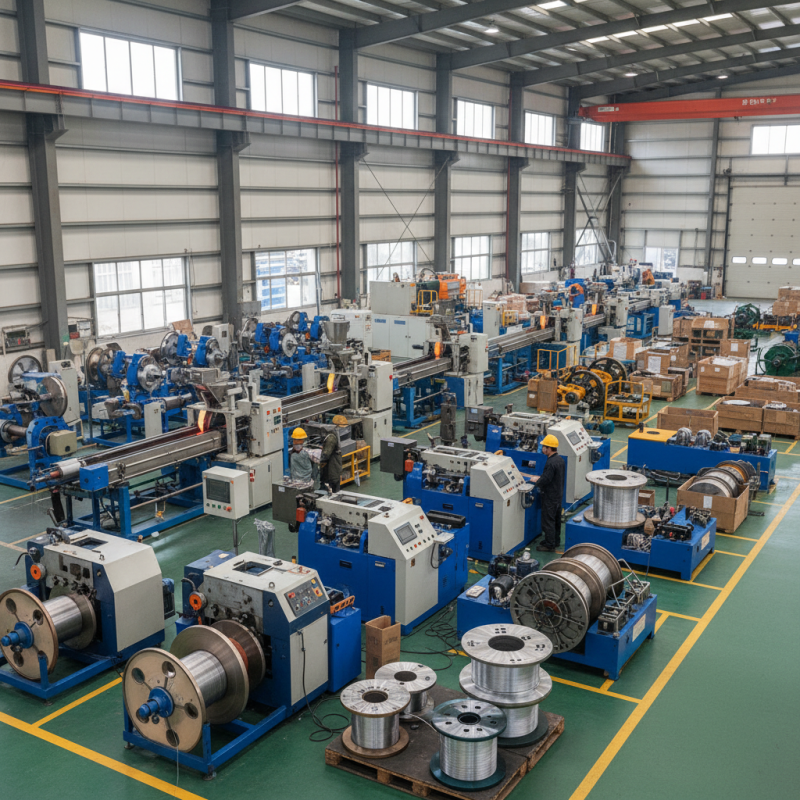
Top Trends in Cable Manufacturing Machinery in China
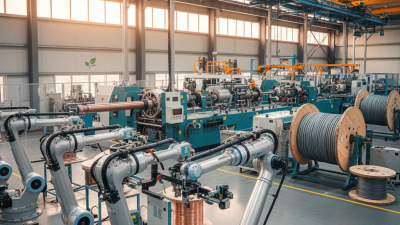
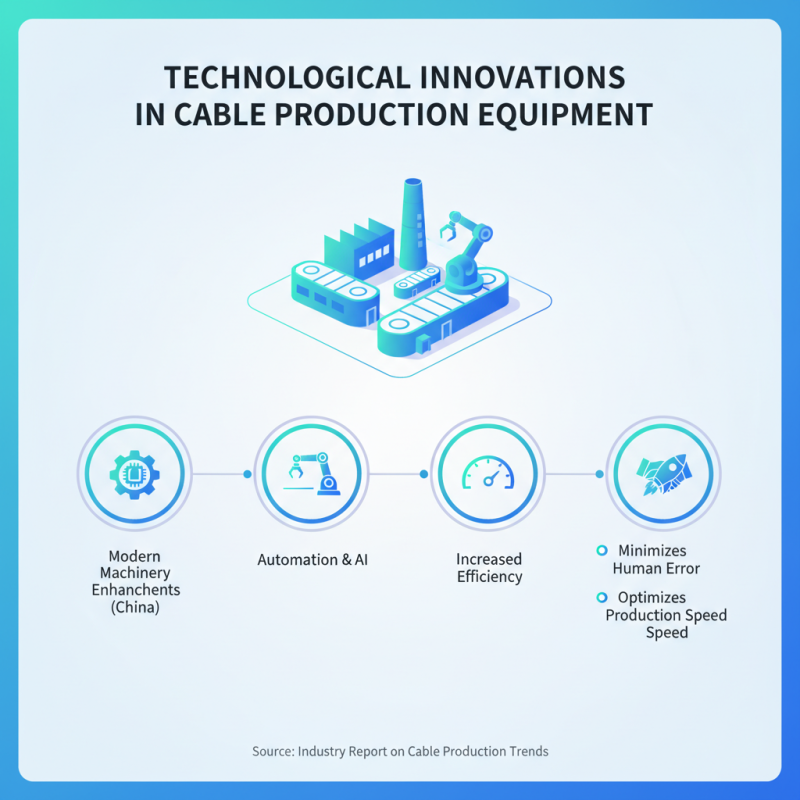
The cable manufacturing industry in China is evolving rapidly. Advanced technologies and innovative processes shape the machinery used. Automation is a key trend. It enhances production efficiency and reduces labor costs. Many manufacturers adopt smart systems for real-time monitoring. This results in better quality control and reduces waste.
Sustainability also influences machinery trends. Many manufacturers are focusing on eco-friendly practices. This includes the use of energy-efficient machines. These innovations contribute to lower carbon footprints. Moreover, cost-saving measures are intrinsic to the designs. However, some challenges remain. The initial investment in new machines can be high. Smaller companies may struggle to keep up with the pace of change.
Customization is increasingly important in cable manufacturing. Buyers now seek machinery that caters to specific needs. This trend pushes manufacturers to develop flexible solutions. While this adaptability is beneficial, it complicates the design process. Striking a balance between versatility and affordability is not easy. The landscape requires constant innovation and reflection on practices.
Top 10 Cable Manufacturing Machines in China for Global Buyers
| Machine Type |
Production Capacity (kg/h) |
Power Consumption (kW) |
Dimensions (L x W x H) cm |
Weight (kg) |
| Multi-layer Extruder |
300 |
120 |
250 x 150 x 180 |
800 |
| Single Screw Extruder |
200 |
75 |
220 x 120 x 150 |
600 |
| Wire Drawing Machine |
150 |
50 |
200 x 100 x 180 |
500 |
| Cable Sheathing Machine |
250 |
90 |
240 x 130 x 160 |
700 |
| Cable Twisting Machine |
180 |
65 |
210 x 110 x 140 |
550 |
| Rewinding Machine |
100 |
40 |
180 x 90 x 130 |
400 |
| Insulation Extruder |
220 |
80 |
230 x 140 x 170 |
650 |
| Stranding Machine |
160 |
70 |
200 x 115 x 155 |
580 |
| Vulcanization Equipment |
120 |
110 |
210 x 125 x 165 |
750 |
| Testing & Inspection Machine |
N/A |
15 |
150 x 75 x 100 |
200 |
Key Players in China's Cable Manufacturing Machine Industry
China is home to a booming cable manufacturing machine industry. The market has various key players who contribute through
innovation and technology. These companies provide machines that cater to different aspects of cable production, from raw material processing to winding and testing.
Their expertise ensures that global buyers find reliable solutions that meet stringent quality standards.
When considering purchasing decisions, buyers should evaluate the machinery's efficiency and lifecycle cost.
High-quality machines may have a higher initial expense but can lead to substantial savings over time. It's crucial to assess the after-sales service, too. Access to support can make a significant difference in operating cable manufacturing machines smoothly.
A notable point to consider is the rapid evolution of technology. Many manufacturers are shifting towards automation and Industry 4.0 solutions.
Keeping informed on these advancements can help buyers make better choices. Research is key. A deep understanding of machinery features will help navigate complexities in the market.
Explore different suppliers and their offerings; it may uncover unexpected advantages.
Comparison of Cable Manufacturing Machines: Features and Specifications
In the dynamic landscape of cable manufacturing, understanding the features and specifications of machines is crucial for global buyers. Recent industry reports indicate that China dominates the cable manufacturing sector, with over 30% of the world's production being sourced from this region. Machines in this sector vary widely in terms of capabilities, with some designed for high-speed operational needs, while others focus on precision and customization.
Quality, efficiency, and energy consumption are key parameters to consider. For instance, advanced extrusion machines can achieve production speeds of over 100 meters per minute, significantly boosting output. However, not all high-speed machines maintain accuracy, often leading to waste and production inconsistencies. The importance of energy efficiency cannot be overstated either. Manufacturers may face higher operational costs if they opt for machines that lack modern energy-saving features.
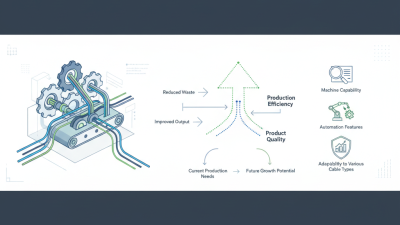
Moreover, newer models often include integrated software for monitoring and improving production line efficiency. Such innovations can reduce downtime and enhance maintenance protocols. Buyers, however, should evaluate the long-term costs versus the initial investment. It's imperative to closely analyze if the machine's enhancements align with production goals. Neglecting these aspects may lead to costly mistakes.
Top 10 Cable Manufacturing Machines in China - Features Comparison