Top 10 Cable Recycling Machines for Sustainable E-Waste Management?
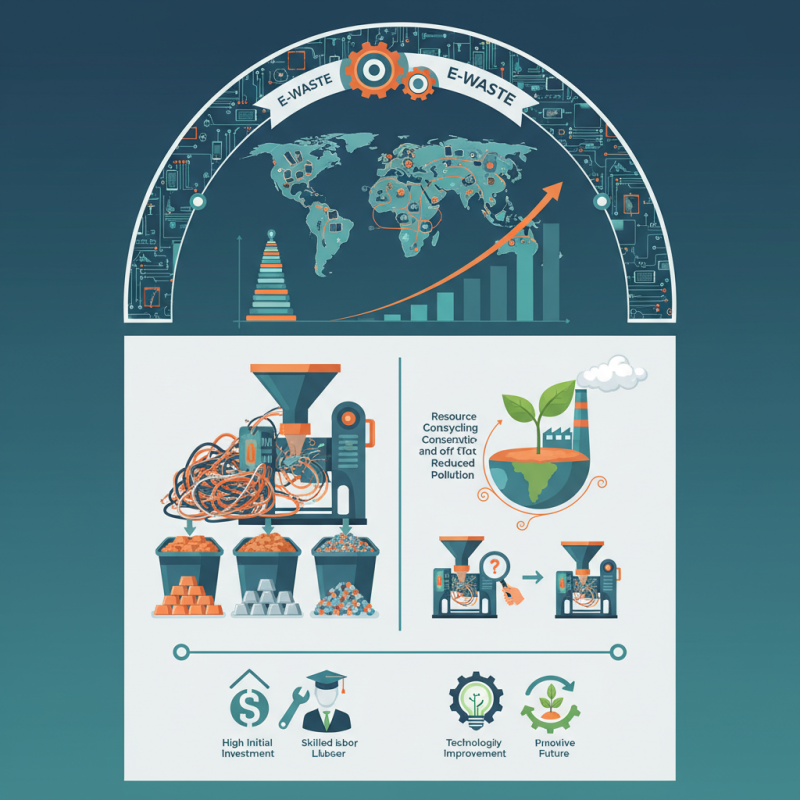
In an era where electronic waste (e-waste) poses a significant environmental challenge, "Cable Recycling Machines" have emerged as vital tools for sustainable waste management. According to a report by the Global E-waste Monitor, in 2021, the world generated 57.4 million metric tons of e-waste. This number is expected to reach 74.7 million by 2030. A large portion includes discarded cables, which often end up in landfills, contributing to environmental degradation.
The recycling of cables can recover valuable materials such as copper, aluminum, and plastics. This process not only conserves resources but also reduces pollution. However, not all recycling methods are equally effective. Many existing machines struggle with efficiency and output quality. Companies must critically assess the capabilities of different machines available in the market.
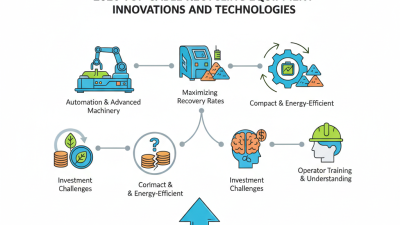
Utilizing advanced "Cable Recycling Machines" can help address these efficiency issues. Improved technologies can lead to better separation of materials and higher recovery rates. Still, challenges remain. The initial investment costs can be high, and the operation of these machines requires skilled labor. Thus, the journey toward an environmentally friendly solution is complex and requires continual innovation.
Overview of Cable Recycling Machines and Their Importance
Cable recycling machines have become essential in today's world of electronic waste management. E-waste contains valuable materials, including copper and aluminum. According to a study by the International Telecommunication Union, around 50 million tons of e-waste are generated globally each year. However, only 20% of this waste is recycled effectively. This highlights the urgent need for efficient cable recycling solutions.
These machines help recover precious metals and reduce landfill waste. The process involves stripping cables and processing materials safely. A 2021 report stated that recycling one ton of copper can save over 100 million BTUs of energy. However, many small recycling facilities struggle to acquire advanced machines. This leads to inefficient recovery rates and higher environmental impact.
Sadly, the lack of awareness and investment continues to hinder progress. Many recycling facilities still rely on outdated methods. The challenge is to promote innovation while ensuring proper safety standards. Encouragingly, several initiatives aim to support small businesses with grants for modern equipment. Without such efforts, e-waste problems will persist, affecting our environment and health. Proactive measures are crucial in this battle against waste.
Key Features to Consider in Cable Recycling Machines
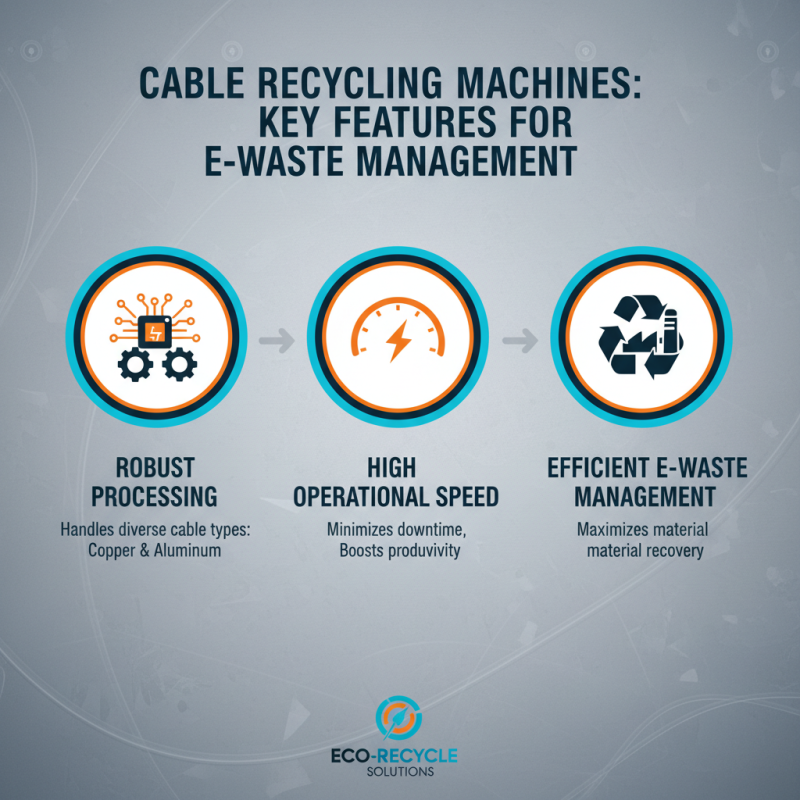
When selecting cable recycling machines, key features are essential for effective e-waste management. First, look for machines with robust processing capabilities. They should handle various cable types, including both copper and aluminum. A machine's speed also matters. Efficient operation minimizes downtime and boosts productivity.
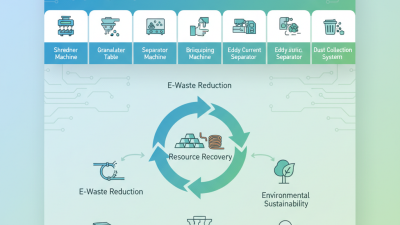
Next, consider the technology used in the machines. Advanced shredding techniques can significantly enhance output quality. Instead of producing mixed materials, these machines can separate metals from plastics efficiently. This process increases the recyclability of the materials, making it more sustainable.
Safety features are equally important. Equipment should have emergency shut-off systems. Operators need to feel safe while working. Some machines have noise reduction technologies. This can create a more pleasant working environment. Still, reflect on energy consumption. Machines with lower power usage may yield better long-term benefits. Overall, balance efficiency with environmental responsibility when choosing a cable recycling solution.
Top 10 Cable Recycling Machines on the Market
The market for cable recycling machines is growing rapidly. According to a report by Research and Markets, the cable recycling market is projected to reach $8 billion by 2027. As e-waste continues to rise, efficient recycling machines are crucial. These machines help salvage valuable metals and reduce environmental impact.
Many models on the market vary greatly in technology and efficiency. Some machines can process up to 1,000 kg of cables in an hour. They separate materials like copper and aluminum effectively. However, not all machines can achieve the same performance. Some struggle with high levels of plastic contamination, which complicates the recycling process. Users often need to invest time and resources in sorting before recycling.
Investing in better machinery is essential for sustainable e-waste management. Yet, many businesses overlook maintenance. Regular upkeep is necessary for optimal performance, but it can be neglected. This leads to lower efficiency rates and wasted resources. Users should educate themselves on the importance of both investment and care. Choosing the right cable recycling machine can have lasting benefits for both the environment and the bottom line.
Top 10 Cable Recycling Machines for Sustainable E-Waste Management
| Model |
Processing Capacity (kg/h) |
Power Consumption (kW) |
Dimensions (L x W x H, m) |
Weight (kg) |
Key Features |
| Model A |
300 |
15 |
2.5 x 1.5 x 1.5 |
750 |
Automatic feeder, high efficiency |
| Model B |
250 |
12 |
2.0 x 1.2 x 1.4 |
600 |
Compact design, low energy consumption |
| Model C |
500 |
20 |
3.0 x 2.0 x 1.8 |
1000 |
High throughput, multi-material processing |
| Model D |
400 |
18 |
2.8 x 1.6 x 1.6 |
800 |
User-friendly interface, reliable operation |
| Model E |
350 |
15 |
2.4 x 1.4 x 1.5 |
700 |
Integrated dust collection, safety features |
| Model F |
450 |
22 |
3.2 x 2.1 x 1.9 |
1200 |
Advanced separation technology, robust design |
| Model G |
600 |
25 |
3.5 x 2.3 x 2.0 |
1400 |
High recovery rate, eco-friendly |
| Model H |
550 |
23 |
3.0 x 2.0 x 1.7 |
1100 |
Intelligent control system, scalable |
| Model I |
300 |
12 |
2.0 x 1.3 x 1.5 |
500 |
Easy maintenance, affordable |
| Model J |
200 |
10 |
1.8 x 1.0 x 1.2 |
300 |
Portable, ideal for small operations |
Sustainable Practices in E-Waste Management with Cable Recycling
In today’s tech-driven world, e-waste is a growing concern.
Cable recycling plays a vital role in sustainable e-waste management. Many cables contain valuable metals and materials that can be reused. By recycling cables, we reduce the amount of waste sent to landfills. This practice also conserves natural resources.
However, not all recycling processes are created equal. Some methods can harm the environment. It’s crucial to choose eco-friendly practices. Awareness is key. Educating ourselves about proper disposal and recycling options is necessary.
The journey towards sustainability is not perfect, and there is room for improvement.
Innovative solutions are emerging in the cable recycling sector. Machines designed for cable recycling efficiently separate wire from insulation. This leads to cleaner recycling streams. Yet, we must reflect on our consumption habits.
How often do we upgrade devices without considering the impact? Sustainable practices begin with individual choices. A conscious effort can drive significant change.
Future Trends in Cable Recycling Technology and E-Waste Solutions
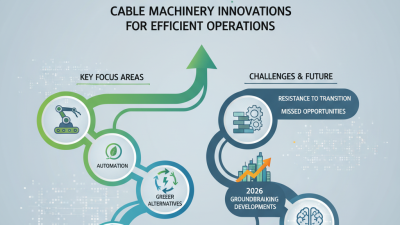
The landscape of cable recycling technology is evolving rapidly. Innovative approaches aim to tackle the growing problem of e-waste. Efficient processing methods are essential. They help recover valuable materials from discarded cables. Future trends suggest an increase in automation and artificial intelligence usage. These technologies can enhance sorting accuracy and processing speed.
Tips: Maintaining equipment is key. Regular checks can prevent costly breakdowns. Always keep data on processing rates. It allows for better operational planning.
Sustainability is becoming a priority. New methods focus on eco-friendly solutions, reducing environmental impacts. Some machines now use water-based processes to minimize toxic waste. It's a move towards greener practices. However, challenges remain in optimizing these techniques for various cable types. Exploration and adaptation will be necessary for success.
Tips: Research upcoming trends in the field. Understanding them can offer a competitive edge. Networking with industry experts can also bring new insights.
Top 10 Cable Recycling Machines for Sustainable E-Waste Management
This chart illustrates the estimated processing capacity (in tons per hour) of the top 10 cable recycling machines, highlighting their potential impact on efficient e-waste management.