Choosing the right Coating Machine can reshape production performance, product consistency, and operating costs. It can also expose weaknesses that were previously hidden.
In a busy production line, coating quality depends on more than machine speed. Material viscosity, substrate width, drying time, and application thickness must work together. A suitable machine can deliver a more uniform layer across every roll, sheet, or component. Operators may also reduce manual adjustments, overspray, and material waste. Small details matter. A stable pump, accurate metering system, and accessible control panel can save valuable minutes during each shift.
The decision should begin with real production data, not impressive specifications. Teams should compare output targets, coating materials, cleaning requirements, energy use, and future capacity. Safety features and documented maintenance procedures also deserve close attention. A machine that performs well in a demonstration may behave differently under continuous factory conditions. Not always. Testing with the actual substrate and coating formula provides stronger evidence.
A reliable supplier should explain performance limits, calibration needs, spare-part availability, and operator training. Independent inspection records and clear technical documentation can support a more confident purchase. However, no Coating Machine removes every production challenge. Poor preparation, inconsistent materials, or rushed maintenance can still damage results. That uncomfortable point is easy to overlook. Careful trials, measurable acceptance criteria, and regular process reviews help companies avoid costly assumptions and build a coating line that is efficient, repeatable, and ready for responsible growth.
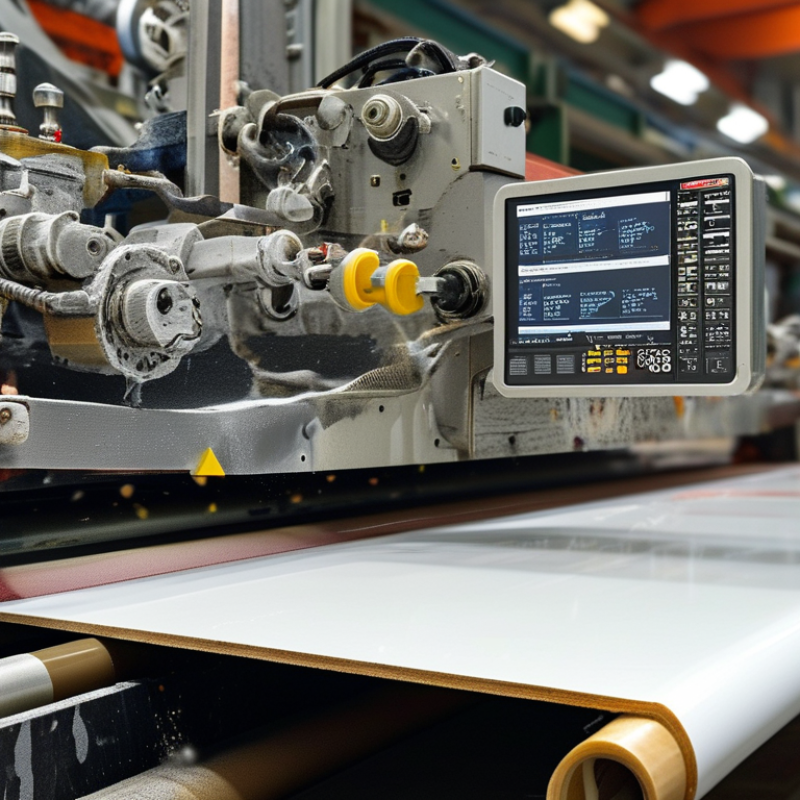
A coating machine applies a controlled layer of liquid or semi-liquid material to a moving surface. That surface may be film, paper, metal foil, fabric, or another prepared substrate. The machine uses rollers, slots, spray heads, or blades to spread the coating evenly.
In a typical line, the substrate unwinds at a steady speed. A pump delivers the coating to the application head. Metering equipment then controls thickness, while rollers maintain contact and alignment. Sensors can monitor speed, tension, temperature, and coating weight. The coated material passes through heated air, infrared energy, or another curing section. Moisture or solvents leave the layer there.
In production trials, operators often adjust several settings together. Pump pressure alone does not guarantee a stable result. Viscosity, surface cleanliness, room temperature, and line speed also matter. Small changes can create streaks, pinholes, or uneven edges. It is not magic. A careful technician checks the wet film, measures the dry layer, and records each adjustment.
The real benefit is repeatable application. Manual coating may work for samples, but larger volumes demand tighter control. A suitable machine can reduce waste, improve surface consistency, and support continuous production. Still, every coating material behaves differently. The correct setup may require testing, and the first trial is rarely perfect.

Coating automation benefits production lines where surface quality must remain stable across long runs. Flexible packaging, labels, electronics, furniture panels, and technical textiles often fit this need. A coating machine controls film thickness, drying temperature, web tension, and application speed. These details matter when operators change shifts or materials vary slightly.
The Smithers report, The Future of Global Flexible Packaging to 2029, forecasts steady annual growth for flexible packaging demand. That growth increases pressure to produce faster, while reducing coating defects and material waste. Grand View Research also projects continued expansion in the industrial coating equipment market through 2030. High-volume manufacturers can gain from repeatable coverage, automatic dosing, and real-time monitoring. Small-batch producers may benefit too, but only when changeovers are simple.
Automation is not automatically better. A badly specified machine can create consistent waste. Production teams should measure current scrap, coating consumption, labor time, and cleaning losses before investing. For solvent-free, water-based, or heat-sensitive materials, drying capacity deserves careful testing. I have seen impressive speed figures fail during real changeovers. The practical question is not “How fast can it run?” It is “Can it hold quality when production gets complicated?”
A coating machine can make production more consistent by controlling speed, pressure, and liquid distribution. Manual application often creates thin areas, heavy edges, or visible streaks. A calibrated machine spreads the coating evenly across each sheet, film, or metal surface. Operators can inspect the wet layer under stable lighting and adjust settings before defects grow. Small changes matter.
Material efficiency starts with accurate dosing. A coating machine applies a measured amount instead of relying on repeated manual guesses. Stable film thickness reduces puddles, overspray, edge buildup, and rejected rolls. Less waste leaves the line. Sensors may track flow rate, temperature, and line speed during operation. These records help technicians identify unusual consumption and correct it early.
Quality control also becomes easier to verify. Teams can compare coating weight, drying time, adhesion, and surface appearance across production batches. Digital records support reliable process decisions and customer documentation. However, automation is not a magic fix. A worn roller, blocked nozzle, or poorly mixed formula can still damage quality. That weakness is easy to miss. Different materials may need different speeds and pressures. Experienced operators must review the results, question unexpected readings, and recalibrate the system when conditions change.
A coating machine can improve output, but the right choice depends on measurable production needs. Compare coating width, line speed, material viscosity, and target thickness before reviewing price.
A machine should apply an even layer across the full web or panel. Uneven edges often create waste, rework, and customer complaints.
Check the metering system carefully. Rollers, slots, or spray heads suit different materials and surface finishes. Ask for test runs using your actual coating, not a similar sample.
Record thickness variation, drying time, and cleaning effort. Control software should show useful data without confusing operators. It should also support quick adjustments when humidity or material temperature changes.
No machine is perfect. A spreadsheet can hide small problems.
Tips: Inspect the cleaning process during a live demonstration. Look for accessible rollers, simple tool changes, and clear maintenance points. Ask how often filters, seals, and pumps require replacement. Confirm that technical support provides documented procedures and operator training.
Energy use matters, especially in continuous production. Compare dryer temperature, airflow, and recovery options. Safety guards, emergency stops, and stable material handling deserve equal attention.
A reliable machine should protect the coating quality during long shifts, not only during short demonstrations. Leave room for future products and wider formats. Choosing only for today may become an expensive limitation.
Integrating a coating machine into a production line requires more than placing it beside existing equipment. Before installation, map the material flow, line speed, power supply, ventilation, and operator access. Leave enough clearance around pumps, rollers, and control panels for safe inspection. Connect the machine to upstream and downstream equipment only after confirming compatible speeds and signal controls. Small gaps matter. I have seen unstable coating results caused by a poorly aligned conveyor, not the machine itself.
During commissioning, run several test pieces at low speed. Check coating thickness, surface coverage, drying time, and edge quality. Record each setting, including pressure, temperature, viscosity, and conveyor speed. In practice, the first setting is rarely right. Adjust one variable at a time, then compare samples under consistent lighting. Keep approved samples near the control station. Operators can use them for quick visual checks, although visual inspection alone cannot replace measured data.
Maintenance should follow actual production conditions, not guesswork. Clean nozzles, trays, and rollers after each shift when residue can harden. Inspect seals, hoses, bearings, and electrical connections weekly. Calibrate thickness gauges and temperature sensors at defined intervals. Follow site safety procedures before opening guards or servicing moving parts. A maintenance log helps reveal recurring faults, but it may become inaccurate when rushed. Review it with operators and revise the schedule when dust, humidity, or heavier workloads change.
| Production Consideration | Typical Data or Requirement | Integration Recommendation | Maintenance and Control Practice |
|---|---|---|---|
| Coating Method | Common methods include roll coating, gravure coating, slot-die coating, spray coating, and curtain coating. | Select the method according to substrate type, coating viscosity, target thickness, surface finish, and production speed. | Inspect rollers, dies, spray nozzles, pumps, and coating heads before each production shift. Remove dried material before it affects coating uniformity. |
| Coating Thickness | Many industrial coating processes operate within approximately 5–150 micrometres of wet or dry film thickness, depending on the application. | Install a closed-loop thickness-control system when product specifications require stable film weight or thickness. | Verify thickness with a suitable gauge or laboratory test at defined intervals. Record results by batch, roll, or production order. |
| Line Speed | Typical web-coating lines may operate from about 5 to 30 metres per minute; higher speeds require process-specific equipment and drying capacity. | Match coating speed with pump capacity, web tension, drying length, oven temperature, and downstream equipment speed. | Check speed synchronization, web tracking, tension stability, and vibration. Sudden speed changes can cause streaks, ribbing, or uneven drying. |
| Substrate Compatibility | Coating machines may process paper, film, foil, textile, nonwoven materials, sheet metal, glass, or other rigid and flexible substrates. | Confirm maximum substrate width, thickness, roll diameter, operating temperature, surface energy, and allowable tension before installation. | Keep substrate-contact surfaces clean and inspect guide rollers for wear, contamination, and alignment errors. |
| Material Viscosity | Coating viscosity can vary widely. Water-based, solvent-based, UV-curable, and hot-melt materials require different pumping and application conditions. | Use compatible pumps, hoses, filters, seals, and temperature-control components. Provide ventilation or solvent-handling systems where required. | Measure viscosity at a controlled temperature. Clean filters and circulation lines before pressure loss causes unstable flow. |
| Drying and Curing | Drying may use hot air, infrared, ultraviolet light, or a combination of methods. Water-based coatings commonly require controlled heat and airflow. | Integrate the dryer with the coating speed, solvent or water load, exhaust system, and available plant utilities. | Clean air filters, inspect exhaust ducts, verify airflow, and calibrate temperature sensors. Remove accumulated coating residue from chambers. |
| Production Capacity | Capacity depends on line speed, usable coating width, coating weight, changeover time, drying capability, and equipment availability. | Calculate capacity using actual product recipes rather than rated machine speed alone. Include setup, cleaning, inspection, and downtime. | Track availability, performance, quality rate, and overall equipment effectiveness to identify recurring production losses. |
| Automation Level | Modern systems may include PLC control, recipe management, automatic gap adjustment, web inspection, tension control, and alarm monitoring. | Connect the machine to upstream unwinding, downstream rewinding or cutting, plant air, electrical supply, exhaust, and production data systems. | Back up control parameters, test alarms, inspect sensors, and restrict recipe changes to authorized personnel. |
| Changeover Time | Changeover duration is affected by coating material, color, width, viscosity, cleaning method, and number of components requiring replacement. | Use quick-release hoses, accessible coating pans or heads, standardized recipes, and dedicated cleaning stations where practical. | Follow a documented cleaning sequence. Confirm that residual material, cleaning agents, and moisture are removed before the next product run. |
| Quality Control | Important checks include coating weight, thickness, adhesion, surface appearance, gloss, drying or curing level, and defect frequency. | Place inspection and sampling points after coating and after drying or curing. Define acceptance limits for each product specification. | Use control charts or batch records to identify trends such as gradual thickness drift, pinholes, streaks, bubbles, and poor adhesion. |
| Energy Consumption | Drying systems, exhaust fans, heated rollers, pumps, and compressed-air equipment are common energy consumers. | Size the dryer and exhaust system for the actual coating load. Use insulation, heat recovery, variable-speed drives, and standby modes when appropriate. | Monitor electricity, gas, compressed air, and exhaust performance. Clean heat-transfer surfaces and repair air leaks promptly. |
| Safety Requirements | Key risks may include moving rollers, hot surfaces, solvent vapors, ultraviolet radiation, pressurized lines, and electrical energy. | Provide guarding, emergency stops, interlocks, ventilation, grounding, fire protection, and access controls according to applicable regulations. | Test emergency stops and interlocks regularly. Use lockout/tagout procedures before cleaning, inspection, or mechanical work. |
| Routine Maintenance | Daily tasks usually include cleaning, visual inspection, leak checks, and verification of operating parameters. | Build maintenance access into the line layout and keep service areas clear around pumps, coating heads, dryers, and electrical cabinets. | Use daily, weekly, monthly, and annual checklists covering bearings, belts, seals, filters, sensors, rollers, pumps, and safety devices. |
| Spare Parts Planning | Frequently replaced parts may include seals, filters, hoses, bearings, belts, nozzles, doctor blades, sensors, and fuses. | Identify critical parts according to lead time, failure impact, material compatibility, and maintenance history. | Keep minimum stock levels for critical items and record part numbers, installation dates, failure causes, and supplier lead times. |
| Expected Business Benefits | Potential benefits include more consistent coating quality, reduced manual handling, lower material waste, better traceability, and improved production repeatability. | Compare the machine with the existing process using measurable indicators such as scrap rate, labor hours, changeover time, throughput, and customer returns. | Review performance monthly and update recipes, maintenance intervals, training, and process limits based on production data. |