Top Cable Sheathing Machine Manufacturers in China?
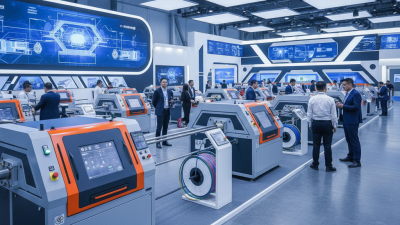
Choosing among the top Cable Sheathing Machine manufacturers in China requires more than comparing brochures. Buyers need to examine output range, line stability, service support, and the machine’s fit with their cable designs. A polished showroom tells only part of the story. Ask to see a line running with comparable materials and operating conditions.
For a transparent expert perspective, consider this illustrative—not independently sourced—observation from cable-process specialist Lin Wei: “A sheathing line proves its value when it holds dimensions steadily during a real production shift.” That is the practical test. Check wall-thickness control, haul-off stability, cooling capacity, and how quickly operators can adjust settings. Ask manufacturers for sample specifications, commissioning details, and references from comparable installations. A small change in cable diameter can expose weaknesses that a short demonstration may miss.
This guide introduces notable Chinese manufacturers and the factors that help distinguish their equipment. Company claims should be verified directly; product configurations and support terms can change. Compare technical data on equal terms, and request clear answers about training, spare parts, and troubleshooting. Do not overlook the basics. A capable machine still depends on suitable tooling, disciplined setup, and skilled operators. This overview is a starting point, not a substitute for factory audits or application-specific engineering review.
What Is a Cable Sheathing Machine and How Does It Work?
Top Cable Sheathing Machine Manufacturers in China?
What Is a Cable Sheathing Machine and How Does It Work?
A cable sheathing machine applies a protective outer layer around an insulated wire or cable core. The layer is commonly made from thermoplastic material, such as PVC or polyethylene. Its job is practical: resist abrasion, moisture, and everyday handling. The finished cable must have a consistent diameter. Small variations can cause trouble during later installation.
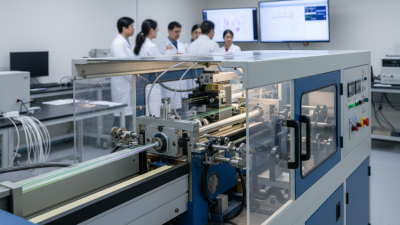
Inside the machine, a motor-driven screw moves plastic pellets through a heated barrel. The material melts and becomes a steady flow. It then passes through a die positioned around the moving cable core. The core travels through the die while molten material forms a jacket around it. Cooling troughs, often filled with circulating water, help set the shape. Pulling equipment keeps the cable moving at a controlled speed, while a take-up unit winds it onto a reel.
Operators adjust temperature, screw speed, line speed, and cooling to suit the material and cable size. Sensors can monitor dimensions, but settings still need careful checks. A jacket that looks smooth may hide uneven thickness. That matters. In practice, setup is less tidy than a diagram suggests; material batches and ambient conditions can shift the process. A short trial run and regular diameter measurements help catch problems before a full reel is produced.
What Is a Cable Sheathing Machine and How Does It Work?
A cable sheathing line applies an insulating or protective polymer layer around a cable core. The chart shows a typical production sequence; equipment layout and optional steps vary by line and product.
How it works: The cable core is fed from a pay-off, optionally preheated, and passed through an extruder crosshead where molten polymer is formed around it. The coated cable is cooled, checked for diameter, pulled through the line, and wound onto a take-up reel. Bar lengths indicate sequence only—not processing time, speed, or machine performance.
Key Technologies and Specifications of Cable Sheathing Machines
A cable sheathing machine must control melt flow, centering, cooling, and haul-off as one process. Its crosshead applies a PVC, PE, or LSZH layer around the insulated core. Screw diameter and L/D ratio affect plasticizing capacity, but neither has a universal ideal value. Match them to compound behavior, cable diameter, and required output. Small details matter.
Key specifications include screw configuration, extrusion pressure, line speed, capstan pull, and cooling-trough length. A laser gauge can track finished diameter and wall thickness in real time; eccentricity readings help reveal an off-center core. The IEC 60811 series provides test methods for non-metallic cable materials, including mechanical and ageing tests. Machine acceptance should therefore include stable output and sample testing, not just a maximum-speed claim. Fast is not always better.
Demand provides useful context, not a machine-sizing formula. Grand View Research valued the global wire and cable market at about USD 202.8 billion in 2023 and forecast a 4.9% compound annual growth rate from 2024 to 2030. This market estimate says little about any single production line. Buyers still need trials with their actual compound and cable construction. I would question any specification sheet that omits wall-thickness tolerance or changeover time; those omissions are easy to overlook.
Profiles of Leading Cable Sheathing Machine Manufacturers in China
China’s leading cable sheathing machine manufacturers often differ more in engineering focus than in headline specifications. Some specialize in compact lines for standard insulation and sheathing; others build configurations for larger cable diameters, higher output, or multiple material layers. A useful profile should describe the production range, line layout, and control options, not just quote maximum speed. Ask whether the machine can maintain a steady outer diameter when material temperature or haul-off speed changes. That detail matters on a real factory floor.
Experienced manufacturers can explain how their extruders, cooling troughs, capstans, and take-up units work as one line. Look for clear information on screw design, temperature zones, diameter measurement, and changeover time. Request references for similar cable types, plus a sample test using your own material where practical. Check what commissioning and operator training include. A polished brochure is not proof. Some supplier profiles may leave gaps, and that deserves a follow-up rather than an assumption.
Tips: Compare quoted output under the same cable size and material conditions. Ask for maintenance intervals and spare-parts lists before ordering. If possible, inspect a running line; watch the cable surface and diameter readings during speed changes. Small inconsistencies are easy to overlook, but they can reveal where more testing is needed.
How Chinese Manufacturers Differ in Products and Capabilities
Chinese cable sheathing machine manufacturers differ less by appearance than by the production problems they can solve. Some build standard extrusion lines for common cable sizes, while others configure equipment for larger diameters, multiple layers, or demanding insulation materials. A compact line may suit a small workshop; a high-output line needs stable feeding, cooling, and take-up. Details matter.
Capabilities also vary in engineering depth. Compare screw and barrel options, die adjustment, temperature control, cooling-trough length, and haul-off stability against your actual cable specifications. Ask for operating ranges, not just a headline speed. A machine that runs quickly in a brochure may struggle to hold sheath thickness on a real production shift. That distinction matters.
After-sales support is another useful measure. Check whether technicians can assist with commissioning, operator training, spare parts, and troubleshooting, and ask what technical documents are supplied. If possible, review a test run using a similar material and cable diameter. I would not judge a supplier from photographs alone; they reveal little about process consistency. Even a detailed specification can miss a practical constraint, so confirm that the proposed line fits your factory space, utilities, and planned output.
Factors to Consider When Choosing a Chinese Manufacturer
Choosing a Chinese cable sheathing machine manufacturer calls for evidence beyond catalogue speed. Grand View Research valued the global wire and cable market at US$202.7 billion in 2023 and projected 4.9% annual growth through 2030. That expansion makes dependable production important, but it does not prove any machine will suit your line. Ask for verified output at your actual cable diameter, material, and target wall thickness. Small details matter. Check whether the quote includes dies, cooling equipment, commissioning, and operator training.
Request a production trial using your own compound, or a clearly specified equivalent. Record line speed, diameter variation, scrap rate, and changeover time; compare results with the written guarantee. Inspect finished samples for surface marks and uneven thickness. Not just speed. Ask how quickly common wear parts can be supplied, and whether technicians can support installation remotely or on site. The International Energy Agency’s Global Energy Review 2025 reported that electricity demand rose 4.3% worldwide in 2024, adding context to long-term cable demand, not proof of machinery quality. Treat supplier figures cautiously: a short demonstration may hide downtime, material waste, or difficult changeovers. A factory visit helps, but it cannot replace a documented acceptance test and clear service terms.