How to Choose Cable Coating Plants in 2026?
Choosing Cable Coating Plants in 2026 requires more than comparing purchase prices. Cable producers must examine coating accuracy, line stability, energy use, maintenance access, and long-term service support. A plant may look impressive during a factory demonstration. Its weaknesses often appear later, when temperature shifts, material batches change, or production runs continue overnight.
W. Edwards Deming, a respected manufacturing-quality expert, said, “Quality comes not from inspection, but from the improvement of the production process.” His principle remains highly relevant when evaluating Cable Coating Plants. Buyers should inspect melt-pressure control, extrusion uniformity, cooling performance, online diameter measurement, and automatic fault detection. Ask for production records, not polished promises. Request samples from comparable cable sizes and coating materials. Small details matter.
Look closely.
A practical evaluation also includes operator training, spare-part availability, software updates, and the supplier’s response time. Energy consumption deserves careful attention, especially when heaters, cooling systems, and multiple coating lines operate continuously. Safety design must be documented and independently verifiable. Environmental performance should be measured through realistic operating data, not vague marketing language.
No shortlist is perfect. A low-cost plant can become expensive through unstable output and frequent downtime. A premium system can also disappoint if local technicians cannot support it. The right decision balances technical capability, proven field experience, transparent ownership costs, and future production needs. This guide introduces a structured way to compare suppliers, challenge assumptions, and select Cable Coating Plants with greater confidence in 2026.
Define Cable Coating Plant Types and Their Production Uses
How to Choose Cable Coating Plants in 2026?
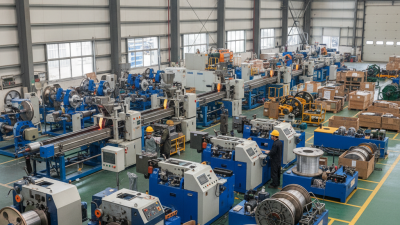
Cable coating plants differ by insulation material, line speed, and product purpose. Extrusion plants apply PVC, PE, XLPE, or low-smoke compounds around conductors. They serve building wires, power cables, and communication lines. Tandem extrusion plants add insulation and sheath layers in one continuous process. This reduces handling, but demands precise temperature control.
Dry-cure plants are designed for medium- and high-voltage cables using cross-linked polyethylene. Their curing tubes require stable heat, pressure, and line tension. Vertical lines suit large cable diameters and long curing sections. Catenary lines offer greater flexibility for common power-cable sizes. According to MarketsandMarkets’ 2024 Wire and Cable Market report, the global market is projected to grow from about USD 216 billion in 2024 to over USD 300 billion by 2029. That growth increases demand for scalable coating equipment.
The plant should match the actual product mix, not an ideal future catalog. A building-wire producer may need compact PVC extrusion, fast color changes, and simple cooling. A utility supplier may require XLPE insulation, online diameter measurement, and strict cleanliness control. Fortune Business Insights reports strong cable demand from renewable-energy and grid projects, but forecasts can shift. That matters. A plant selected only for maximum speed may waste material during frequent small batches. Inspect melt pressure, cooling-tank stability, scrap rates, and operator access during trials. Request production data from comparable cable sizes. Paper specifications alone are not enough.
Compare Automation, Energy Efficiency, and Process Control Systems
How to Choose Cable Coating Plants in 2026?
Automation should be judged by control quality, not screen count. The International Federation of Robotics reported 541,302 industrial robots installed worldwide in 2023. This growth shows the value of repeatable handling and inspection. In a cable coating plant, specify automatic tension control, gravimetric dosing, and recipe management. These tools reduce diameter variation and operator adjustment. Ask for traceable alarms and production records. Fancy software is not enough.
Energy performance needs measurable targets. The IEA’s Energy Efficiency 2023 report recorded a 2.1% improvement in global energy intensity during 2022. Select plants with efficient extruder drives, insulated barrels, heat recovery, and closed-loop cooling. Request energy data per tonne of coated cable. Check warm-up time, standby consumption, and compressed-air losses. Small leaks matter.
Process control protects both quality and energy use. Stable melt pressure, temperature, line speed, and cooling conditions prevent overcoating and scrap. Require sensors with calibration records, not only attractive dashboards. A practical factory trial should test start-up, speed changes, and material changes. No dashboard fixes a badly tuned die. I would also question optimistic savings claims; real performance can weaken after maintenance, training, or seasonal temperature changes. The best plant leaves operators with clear decisions, usable data, and fewer emergency adjustments.
How to Choose Cable Coating Plants in 2026?
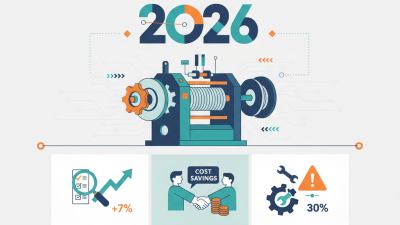
Comparison of representative cable coating plant configurations using measurable indicators:
automation coverage, energy consumption per tonne of finished cable, and process-control coverage.
The figures are non-brand planning benchmarks for initial equipment evaluation. Lower energy consumption
and higher automation and process-control coverage generally indicate stronger operating efficiency,
consistency, traceability, and readiness for digital production.
Verify Safety Standards, Environmental Compliance, and Certifications
Choosing a cable coating plant in 2026 requires more than comparing production speed or quoted prices.
Safety evidence should be visible, current, and specific to the process. During a site visit, ask to see machine guarding, emergency-stop tests, fire prevention records, and worker training logs. Check whether operators use suitable protective equipment near heated lines and coating chemicals. Workers should understand evacuation routes. Small gaps matter. Do not accept verbal promises as proof.
Environmental compliance also needs practical verification.
Request recent records for air emissions, wastewater, chemical storage, and hazardous waste handling. Inspect ventilation ducts, spill kits, sealed containers, and waste labels. A responsible plant measures energy use and controls volatile emissions during curing. However, paperwork can appear stronger than daily practice. That weakness deserves honest attention. Compare records with physical conditions, interview operators privately, and note any repeated corrective actions.
Certification checks should go beyond viewing a framed document.
Confirm the certificate number, issuing body, covered location, approved processes, expiry date, and audit scope. An irrelevant certificate proves little. Ask whether testing laboratories hold valid accreditation and whether measuring equipment receives regular calibration. Review sample inspection reports for coating thickness, adhesion, insulation resistance, and defect tracking. Certification does not replace judgment. A plant may pass an audit yet struggle with consistency during urgent orders. Allow time for a trial run, independent testing, and a documented response plan when results fall short.
Evaluate Suppliers, Total Costs, Support, and Future Scalability
Choosing a cable coating plant in 2026 requires more than comparing machine prices. Supplier evaluation should begin with verified production experience, material compatibility, and measurable coating quality. Ask for sample runs using your actual cable diameter, coating thickness, and line speed. Request maintenance records and customer references from similar operations.
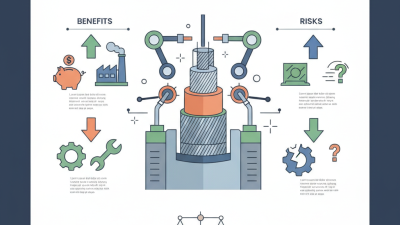
My first supplier comparison missed energy consumption and operator training. That mistake changed the real budget. Total cost includes installation, factory acceptance testing, spare parts, software updates, utilities, waste, and downtime. A cheaper line may demand more manual adjustment. Calculate costs over five to ten years, not only the purchase price. Check payment terms, delivery responsibility, warranty limits, and response times for technical support.
Tips: Build a scoring sheet before contacting suppliers. Give quality, energy use, service response, and expansion capacity separate scores. Ask who provides remote diagnostics and who visits during commissioning. Confirm whether training includes troubleshooting, not just basic operation. Leave room for uncertainty; projected output can look impressive under ideal conditions. Request conservative figures and test them with your own operators. Choose a plant that can accept additional coating heads, sensors, or automation later. Future growth is rarely smooth. A flexible layout, accessible components, and documented software settings can prevent expensive rebuilding. Note every assumption in writing, especially production speed and staffing requirements.