Leave Your Message

How to Choose the Best Cable Insulation Machines in 2026?

Choosing the right Cable Insulation Machines in 2026 requires more than comparing purchase prices. A reliable decision begins with the cable types, insulation materials, and production targets in your facility. Copper, aluminum, fiber-filled compounds, and heat-sensitive polymers may demand different temperature control and extrusion settings. A machine that performs well on PVC could struggle with advanced halogen-free materials. That detail is easy to overlook.

This guide examines practical factors that experienced production teams should review before investing. These include insulation thickness accuracy, line speed, curing performance, energy consumption, operator safety, and maintenance access. It also considers whether the manufacturer provides application testing, spare parts, training, and responsive technical support. A polished sales demonstration is useful, but it cannot replace a sample run using your actual conductor and compound. Ask for measurable results, not broad promises.

Some decisions will remain imperfect. A faster line may increase output, yet create more waste during setup. A cheaper machine may appear efficient, but frequent downtime can change the calculation. Even experienced buyers can misjudge future product demand. For that reason, this overview encourages a careful comparison of current needs, planned expansion, and total ownership costs. Factory space matters too. A compact machine with clear access around its die head can simplify cleaning and reduce mistakes. The best choice is not always the most powerful model. It is the machine that delivers stable insulation quality, verifiable performance, and dependable support under real operating conditions.

How to Choose the Best Cable Insulation Machines in 2026?

Understanding Cable Insulation Machines and Their Core Functions

How to Choose the Best Cable Insulation Machines in 2026?

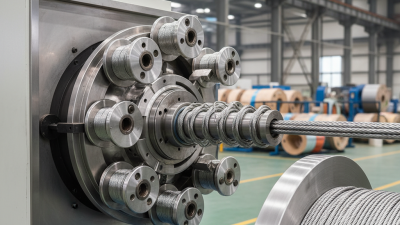
Cable insulation machines do more than cover a conductor. They control insulation thickness, surface quality, cooling, and production speed. A typical line includes an extruder, crosshead die, cooling trough, diameter gauge, and spark tester. Each unit affects electrical safety and scrap rates. The extruder melts PVC, PE, or XLPE pellets. The crosshead then centers insulation around the moving conductor. Poor centering creates thin spots. That small defect can fail a high-voltage test.

According to Grand View Research, the global wire and cable market was valued at over USD 220 billion in 2023. Demand growth increases pressure on stable, repeatable insulation production. IEC 60811 testing methods examine tensile strength, elongation, and aging performance. Therefore, machine selection should include accurate temperature zones and consistent material feeding. A closed-loop diameter system is useful. It can correct size changes during speed adjustments. Cooling length also matters, especially for thick insulation.

Look closely at maintenance access. It matters.

Production teams should test the machine with their actual conductor sizes and compounds. A line designed for small control cables may struggle with large power cables. Energy use deserves attention too. The International Energy Agency reported that global electricity demand is rising, making efficient manufacturing equipment more valuable. Still, automation is not a complete answer. Sensors can drift, operators can misread alarms, and calibration may be delayed. That uncomfortable reality should influence training, spare parts, and inspection planning.

Identifying Production Requirements and Suitable Machine Types

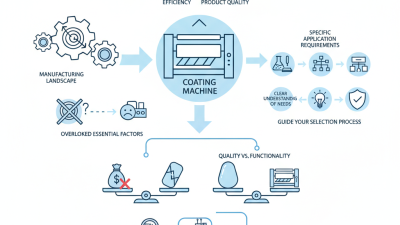
Choosing a cable insulation machine starts with the product, not the catalog. Define conductor size, finished diameter, insulation material, output target, and tolerance. A small control cable may need precise low-speed coating. Power cable production demands stronger heating and stable tension. Record actual demand for three months. Forecasts alone can mislead. Include start-up waste and changeover time. I have seen lines selected for peak speed, then operated far below it. That choice increased energy use and slowed color changes.

Match the machine type to the insulation process. Thermoplastic compounds often suit extrusion lines with controlled barrel zones and calibrated crossheads. Heat-cured materials may require longer curing sections, careful temperature mapping, and reliable line synchronization. Thin insulation needs accurate concentricity control. Thick insulation needs heat penetration and steady cooling. Check the conductor-feeding method, take-up reel size, and available floor length. Measure these details before requesting quotations. A technically impressive line may fail if its cooling trough cannot fit the plant.

Set measurable acceptance criteria. Ask for diameter variation, spark-test stability, line-speed range, scrap rate, and changeover steps. Request sample runs using your own conductor and compound. Inspect the first and last meters, not only the middle. Maintenance access matters. Operators need clear alarms, guarding, and simple adjustments. Leave room for uncertainty. Material batches vary, and real production is rarely as clean as a factory demonstration. Recheck assumptions after installation, because the best machine on paper may not suit your shift.

How to Choose the Best Cable Insulation Machines in 2026? — Identifying Production Requirements and Suitable Machine Types
Machine Type Typical Production Requirement Suitable Cable Size Common Insulation Materials Typical Line Speed Heating or Processing Method Main Advantages Key Selection Considerations
Single-Layer Extrusion Line General-purpose production of insulated wires and cables with one polymer layer. Suitable for small to medium production volumes and frequent product changeovers. Approximately 0.5–35 mm finished cable diameter, depending on the extruder and die set. PVC PE LSZH TPU About 100–600 m/min, depending on material, conductor size, cooling capacity, and quality requirements. Thermoplastic melting and continuous extrusion through a precision die, followed by water cooling. Versatile configuration, moderate investment, and suitable for a broad range of low-voltage cables. Check screw diameter, compression ratio, die concentricity, cooling-tank length, capstan capacity, and take-up control.
Tandem or Dual-Layer Extrusion Line Production requiring an insulation layer plus an outer sheath, skin layer, or color-identification layer in one continuous process. Approximately 2–40 mm finished cable diameter, subject to line layout and die configuration. PVC PE XLPE Compounds LSZH About 80–400 m/min for common low- and medium-voltage cable applications. Two synchronized extrusion units with separate temperature zones and a shared crosshead or tandem cooling system. Combines multiple layers efficiently and reduces the need for a second coating pass. Evaluate synchronization accuracy, layer-thickness control, material compatibility, crosshead design, and line changeover time.
High-Temperature Insulation Extrusion Line Continuous production of cables requiring thermal, electrical, and environmental resistance for industrial, automotive, or energy applications. Approximately 1–25 mm finished cable diameter, depending on insulation construction. FEP ETFE PTFE Silicone About 20–250 m/min; high-performance fluoropolymers are commonly processed at lower speeds than standard PVC or PE. Precisely controlled high-temperature extrusion, often with specialized screws, heated crossheads, and extended cooling sections. Supports demanding temperature, chemical, abrasion, and electrical-performance requirements. Confirm maximum barrel and die temperature, corrosion-resistant flow-path materials, residence-time control, and specialized cooling needs.
Silicone Rubber Extrusion and Vulcanization Line Production of flexible, heat-resistant insulated wires and cables for appliances, lighting, medical equipment, and industrial systems. Approximately 1–30 mm finished cable diameter. Silicone Rubber Fluorosilicone About 10–150 m/min, depending on cable size, compound formulation, and curing method. Cold-feed or warm-feed extrusion followed by continuous hot-air, infrared, or steam-assisted vulcanization. Produces highly flexible insulation with strong temperature stability and good resistance to aging. Assess curing uniformity, tunnel length, temperature profile, compound feeding system, die swell control, and cleaning procedures.
Cross-Linked Polyethylene (XLPE) Insulation Line High-volume production of power cables where insulation must maintain electrical and mechanical performance at elevated operating temperatures. Commonly used for medium-voltage and high-voltage cable constructions; final diameters vary widely by voltage class. XLPE Semiconductive Compounds Typically about 10–100 m/min for medium-voltage production; high-voltage lines may operate more slowly for strict quality control. Extrusion followed by dry curing or continuous vulcanization under controlled temperature and pressure conditions. Provides consistent insulation thickness and supports demanding power-cable electrical requirements. Review cleanliness management, triple-layer concentricity, dry-curing system, degassing capability, online defect detection, and production-floor height.
Mineral-Insulated Cable Manufacturing Line Production of fire-resistant and high-temperature cables for industrial plants, buildings, transportation, and safety systems. Commonly used for small to medium cable diameters; sizing depends on conductor count and mineral packing design. Magnesium Oxide Copper Sheath Stainless Steel Sheath Generally slower than polymer extrusion lines; commonly planned around 5–80 m/min depending on reduction and compaction stages. Insulation powder filling, metal sheathing, repeated drawing or rolling, and controlled annealing. Excellent fire resistance, high-temperature capability, and long-term stability in harsh environments. Prioritize powder filling consistency, compaction ratio, drawing accuracy, sheath integrity, annealing control, and process dust management.
Small-Diameter Precision Wire Insulation Line High-speed production of electronic, data, instrumentation, magnet, and fine electrical wires requiring tight dimensional control. Approximately 0.1–5 mm finished wire diameter, depending on conductor and insulation specification. PVC PE FEP ETFE About 200–1,500 m/min for suitable materials and wire constructions. Precision micro-extrusion with accurate tension control, laser or capacitance measurement, and rapid cooling. High productivity, low material usage, and close control of insulation diameter and eccentricity. Check minimum stable output, tension-control accuracy, measurement resolution, conductor preheating, and automatic diameter correction.
Batch or Laboratory Insulation Coating System Product development, sample preparation, short runs, material trials, and qualification testing rather than continuous mass production. Usually designed for small wires and cable samples; practical size depends on the interchangeable die and coating head. PVC PE Silicone Fluoropolymers Typically about 1–100 m/min, with emphasis on repeatability instead of maximum throughput. Small-scale extrusion, coating, curing, or thermal processing with modular tooling. Low material consumption, flexible experimentation, and easier process development. Consider tool-change speed, small-batch material handling, data logging, temperature stability, and compatibility with laboratory test procedures.
Planning note: The ranges above are typical engineering planning values rather than guaranteed machine specifications. Final selection should be based on conductor material, finished diameter, insulation thickness, material rheology, required electrical performance, line speed, cooling or curing method, dimensional tolerances, quality-control requirements, available floor space, and applicable cable standards.

Comparing Insulation Materials, Speed, Precision, and Capacity

How to Choose the Best Cable Insulation Machines in 2026?

Choosing a cable insulation machine starts with the material, not the advertised output. PVC needs stable heat control and consistent mixing. Polyethylene requires accurate temperature zones and careful cooling. XLPE demands tighter process control because cross-linking affects insulation performance. Silicone compounds may need specialized feeding systems. A machine that handles one material well may perform poorly with another. Check screw design, barrel heating, drying needs, and material compatibility before comparing prices.

Speed matters, but uncontrolled speed creates thin spots, surface marks, and uneven insulation. In production trials, monitor line speed, melt pressure, diameter variation, and cooling temperature together. Laser gauges can detect small diameter changes during operation. Precision becomes especially important for data cables and high-voltage products. A practical target is stable thickness across the full cable length, not simply a faster meter-per-minute figure. Fast output is useless when rework increases.

Capacity should match real demand. An oversized line may consume more energy and require more difficult changeovers. A smaller machine may limit future orders. Consider conductor size, insulation thickness, spool dimensions, and daily operating hours. Automation can reduce manual adjustments, but it cannot correct poor material preparation.

I have seen production teams focus too heavily on capacity and overlook cleaning time. That decision later reduced effective output. Leave room for maintenance, operator training, and unexpected material changes. Some machines look precise during testing, yet lose stability after continuous operation. Ask for long-run data, not only demonstration results.

Evaluating Safety Features, Automation, Maintenance, and Energy Use

How to Choose the Best Cable Insulation Machines in 2026?

Choosing a cable insulation machine in 2026 requires more than comparing output speed. Start with safety. In a real plant, examine guarding, emergency stops, thermal controls, and threading access. ISO 12100 and IEC 60204-1 provide useful benchmarks for risk reduction and electrical safety. Ask for documented test results, not reassuring sales language. A missing interlock can turn a small adjustment into serious exposure.

Automation should remove repetitive handling without hiding process errors. Look for closed-loop temperature control, recipe permissions, traceable alarms, and sensors detecting coating gaps. The International Federation of Robotics reported 541,302 industrial robots installed worldwide in 2023, according to World Robotics 2024. This shows manufacturing’s direction, but it does not prove every automated feature pays back. Operators still need clear displays and manual recovery procedures. Test under load. Glossy demonstrations often avoid failure recovery.

Maintenance directly affects quality and energy use. Specify tool-free access, replaceable heaters, calibration records, and controlled remote diagnostics. The International Energy Agency reported that industry consumed about 37% of global final energy in 2022. The U.S. Department of Energy estimates motor-driven systems use about 68% of industrial electricity. Choose efficient drives, standby modes, and insulation that limits heat loss. Measure kilowatt-hours per kilometer of finished cable, not only hourly throughput. I would not trust an energy estimate without a measured acceptance trial. A cheaper machine may cost more for years.

Selecting a Reliable Supplier and Calculating Long-Term Machine Value

Choosing a cable insulation machine in 2026 starts with supplier evidence, not a glossy specification sheet. Deloitte’s 2023 Global Smart Manufacturing Survey found 86% of manufacturers expect smart manufacturing to support competitiveness within five years. That expectation makes controls, data access, and upgrade paths commercial requirements. Ask for factory acceptance test records, insulation-thickness repeatability, calibration certificates, and references from comparable cable sizes. Require a written response-time target for breakdowns. Service matters more. A remote dashboard cannot replace a technician with spare heaters, sensors, and dies nearby. Check whether software licenses, training, and critical parts remain available after warranty expiration.

Long-term value should be calculated through total cost of ownership, not purchase price. Include electricity, scrap, changeover labor, planned maintenance, downtime, and resale value. The IEA’s Energy Efficiency 2023 analysis identifies industry as using roughly 37% of global final energy, making heater efficiency worth measuring at the line. Request a measured kWh-per-kilogram figure under your actual polymer and production speed. Compare it with guaranteed output, not a showroom sample. Deloitte’s data supports connected manufacturing, but connectivity alone creates no savings. That assumption fails. A cheaper machine may lose value through unstable temperature control and slow troubleshooting. I would also test a supplier’s honesty: ask for failure data, exclusions, and a five-year parts quotation. Some evaluations miss operator fatigue. That mistake can become expensive.