Top 10 Cable Machinery Spare Parts Suppliers Worldwide
Cable production depends on components that are easy to overlook. A worn bearing, damaged cutter, or poorly matched drive belt can interrupt a line and affect product consistency. Cable Machinery Spare Parts include both routine replacement items and machine-specific components, so choosing a supplier takes more than comparing prices. Fit comes first.
This guide introduces ten suppliers serving cable manufacturers and maintenance teams worldwide. It considers practical factors such as product range, compatibility support, material information, delivery options, and access to technical documentation. These details matter when a replacement part must match an existing machine, sometimes after years of use. A clear model number, a close-up photograph, and accurate operating details can help narrow the search before an order is placed.
No ranking can settle every fit. Supplier capabilities, regional availability, and response times may change, while one manufacturer’s preferred component may not suit another production line. Buyers should verify specifications directly and confirm dimensions, tolerances, and installation requirements with qualified personnel. The comparison is intended as a starting point, not a guarantee of compatibility or performance. Even experienced teams can miss a small detail. That is worth remembering when downtime is already pressing and a part looks nearly identical to the one it replaces.
Overview of Cable Machinery Spare Parts
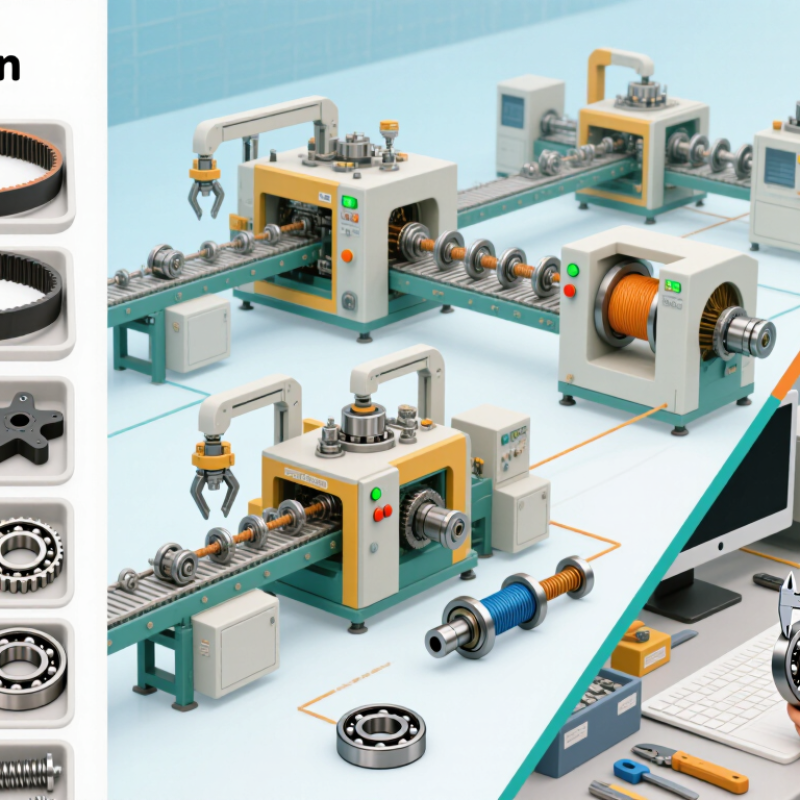
Cable machinery spare parts range from small wire guides to heavily loaded gearboxes. Common items include bearings, rollers, belts, cutting blades, dies, heaters, and sensors. Each part affects a different stage of production, so a poor fit can show up as uneven insulation, noisy rotation, or frequent line stops.
Small parts matter. A replacement should match the machine model, dimensions, material, and operating conditions. For example, a roller handling hot cable needs suitable heat resistance, while a bearing must tolerate the line’s speed and load. A part may look identical in a photograph and still have the wrong tolerance. Ordering from a photo alone is a risky shortcut, even for experienced maintenance teams.
When comparing worldwide suppliers, ask how they verify dimensions, identify materials, and track batches. Clear drawings, inspection records, and practical installation guidance make claims easier to check. Also confirm stock status, delivery estimates, and whether technical staff can review a worn sample or machine specification. Fast shipping helps, but it cannot fix an incorrect component. Keep notes on service life and failure conditions; those records can improve future orders, though they will not explain every breakdown.
Common Cable Machinery Spare Parts by Subsystem
Examples of frequently encountered spare-part types across cable manufacturing equipment. Counts show the number of examples listed for each subsystem, not market or supplier statistics.
Common Types of Parts Used in Cable Production
Cable production depends on parts that guide, shape, pull, and cut the material. In an extrusion line, the screw and barrel melt and move polymer through the machine. A worn screw can cause uneven output or visible surface marks. The crosshead die and sizing tools shape the insulation around the conductor. Their openings need careful cleaning; a small deposit can affect cable dimensions. Small parts matter.
Downstream, capstans and caterpillar belts pull the cable at a controlled speed. Bearings support rotating assemblies, while seals help keep lubricant and dust where they belong. Heaters and thermocouples regulate barrel temperature, and cutters trim finished lengths. A sensor may look intact but still give unstable readings. Replacement intervals vary with material, speed, and operating conditions, so fixed schedules alone can miss early wear.
Tips: Check dies for residue and inspect belts for cracks or uneven wear. Record temperature readings, output changes, and replaced parts. Keep samples of surface defects for comparison. Not every line wears evenly, and a quick visual check can overlook internal damage. When symptoms persist, compare measurements with the machine manual before changing several parts at once.
How to Evaluate a Spare Parts Supplier
When evaluating a cable-machinery spare-parts supplier, test evidence, not promises. Ask for dimensional drawings, material grades, and inspection records for wear parts, bearings, rollers, and cutting blades. Check that each item has a traceable part number and revision; a near-match can cause vibration, poor insulation concentricity, or a production stop. Request confirmed lead times for routine and emergency orders, plus a list of stocked components.
McKinsey Global Institute’s 2020 report, Risk, resilience, and rebalancing in global value chains, found that 93% of surveyed supply-chain leaders planned to increase resilience. The finding is not cable-specific, but it supports asking suppliers how they manage delays and component discontinuations. Get their answers in writing.
Then inspect service quality. Compare response times, technical support hours, packaging, returns, and warranty terms using the same questions for each candidate. Ask for a sample inspection report and check dimensions against your machine drawing. For critical parts, verify material certificates and ask how quality checks are recorded. A low quote still looks attractive. Sometimes too attractive. Compare total costs, including freight, minimum order quantities, and possible downtime. Track delivery performance and defects across several orders; one successful shipment proves little. A short trial order can reveal problems before you transfer a full maintenance list. I would still question a supplier that refuses traceability, even when its parts appear identical.
Top 10 Cable Machinery Spare Parts Suppliers Worldwide
A reliable comparison of the top 10 cable machinery spare parts suppliers worldwide should begin with the parts a production line actually uses. These may include extrusion screws, dies, capstans, bearings, cutters, and cooling components. Check whether a supplier can match each part to the machine model, drawing, and required dimensions. Small errors matter. A die that looks correct may still produce uneven insulation or require costly adjustments.
Look beyond a polished catalog. Ask for material specifications, dimensional tolerances, inspection records, and realistic lead times. For critical components, request a sample or a clear inspection process before placing a large order. Technical support matters, too: useful guidance should address operating temperature, wear patterns, and replacement intervals, not just price. Worldwide shipping can add delays, so confirm packaging and delivery arrangements in writing. A low quote is not always a saving.
There is room for judgment here. Supplier rankings can change as service quality, stock availability, and production needs shift. I would not treat a long product list as proof of expertise. Compare the same part requirements across suppliers, and note where answers are vague. That small, imperfect comparison may reveal more than a sales brochure.
Global Market Trends and Supplier Selection Factors
Cable machinery suppliers are responding to shorter delivery expectations and more varied production runs. Many are holding common wear parts closer to customer markets, while less-used components may still require longer lead times. Automation is also changing demand: sensors, drive components, and precision guides now sit beside traditional bearings and cutting blades. Digital stock records help, but a system cannot prevent every production delay.
Supplier selection should begin with fit, not price alone. Confirm part dimensions, material grade, tolerances, and compatibility with the machine’s operating speed. A guide that looks correct may still cause vibration if its alignment is slightly off. Ask for inspection records and clear product documentation. Useful answers are specific.
Reliability is tested under pressure. Check typical lead times, minimum order quantities, packaging, and the process for handling defective parts. Technical staff should be able to interpret drawings and discuss wear patterns, not simply offer a catalog number. Local inventory can reduce downtime, yet it may cost more or cover fewer specifications. That trade-off deserves a hard look. Supplier claims are not proof; compare samples, records, and service performance over time.