How to Source Quality Second-Hand Optical Fiber for Your Business?
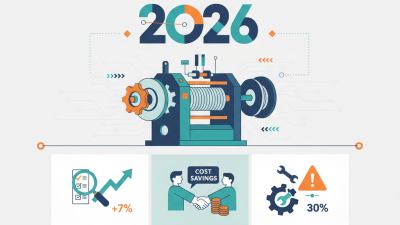
In today's fast-paced telecommunications landscape, sourcing quality Second-Hand Optical Fiber is a vital consideration for many businesses. According to a recent report by MarketsandMarkets, the optical fiber market is expected to grow at a CAGR of 10% through 2026, emphasizing the need for reliable, cost-effective solutions. However, the market for used optical fiber remains underexplored, presenting both opportunities and challenges.
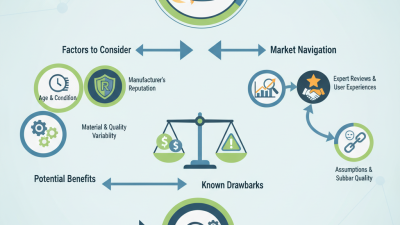
Industry expert Dr. Benjamin Liu, a leading voice in optical communications, states, “Procurement of second-hand optical fiber requires careful assessment to ensure reliability.” This highlights the importance of diligence when navigating the second-hand market. Many businesses often overlook the factors influencing fiber quality, such as age, previous usage, and potential degradation.
Companies should prioritize sourcing from reputable suppliers. Transparency in sourcing and proper testing methods will mitigate risks associated with second-hand materials. Moreover, understanding the lifecycle of optical fiber can lead to smarter purchasing decisions. With the right approach, second-hand optical fiber can be a valuable resource, but it demands a thoughtful and informed process.

Identifying Reliable Sources for Second-Hand Optical Fiber
When sourcing second-hand optical fiber, identifying reliable sources is crucial for business sustainability. Research indicates that the optical fiber market expects a compound annual growth rate (CAGR) of 10% from 2020 to 2025. This growth implies that the demand for quality materials, including second-hand options, is ascending. However, the challenge lies in verifying the condition and performance of pre-owned products.
Reliable suppliers often provide detailed certifications to prove the integrity of their optical fiber. These certifications can include testing reports demonstrating compliance with international standards. It's essential to cross-reference these documents with independent sources to avoid potential fraud. A study by the Fiber Optic Industry Association suggests that approximately 30% of second-hand supplies fail to meet industry standards, leading to operational setbacks.
Engaging in trade shows or fiber optic expos can deepen knowledge about possible vendors. Networking can lead to recommendations from trusted industry professionals. In addition, be wary of overly attractive pricing, which might signal compromised quality. A thorough inspection before purchase can reveal critical insights about durability and lifespan. Expect some imperfect finds in this arena, as not every source will live up to expectations.
Evaluating the Quality of Used Optical Fiber Equipment
When evaluating the quality of used optical fiber equipment, several factors play a crucial role. Inspect the physical condition, including signs of wear or damage. Scratches or discoloration on connectors can impact performance. Check the cable's outer sheath, as physical integrity indicates the overall lifespan of the fiber.
According to a 2022 report by the Optical Fiber Communications Conference, the failure rate of second-hand optical fibers can be as high as 15%. This highlights the importance of rigorous testing. Employ tools like OTDRs (Optical Time-Domain Reflectometers) to assess signal loss and identify faults. Such tests reveal hidden issues that a visual inspection might miss.
Document the equipment’s previous usage if possible. A history of heavy use may indicate a higher likelihood of degradation. Reflect on the fact that not all used equipment is equally reliable. Engaging with suppliers who provide thorough documentation can enhance trust in your sourcing process. Always remain critical of claims and seek out multiple sources of verification.
Negotiating Prices and Terms for Second-Hand Purchases
When sourcing second-hand optical fiber, negotiation is essential. Start by understanding the current market rates. Research helps you gauge what a fair price is. Check multiple sources to validate prices. This way, you empower yourself with knowledge.
Building a rapport with sellers can lead to better terms. Communication is key in negotiations. Don’t hesitate to express your requirements clearly. Be prepared for counteroffers. Sometimes, sellers may have hidden costs. Ask about additional fees related to shipping or installation.
Trustworthiness is crucial in this process. Always request certifications or proof of quality. Be cautious of prices that seem too low; they might indicate underlying issues. Take the time to review contracts thoroughly. This ensures all terms are clear before finalizing the deal. Eventually, reflection on your negotiation approach will refine your skills for future purchases.
How to Source Quality Second-Hand Optical Fiber for Your Business? - Negotiating Prices and Terms for Second-Hand Purchases
| Supplier Location |
Fiber Type |
Length (meters) |
Condition |
Price (per meter) |
Negotiation Status |
| USA |
Single-Mode |
1500 |
Good |
$0.75 |
Negotiating |
| Germany |
Multi-Mode |
1200 |
Fair |
$0.55 |
Not Started |
| China |
Single-Mode |
2000 |
Excellent |
$0.65 |
Completed |
| Brazil |
Multi-Mode |
1000 |
Good |
$0.85 |
Pending |
| India |
Single-Mode |
800 |
Excellent |
$0.60 |
Negotiating |
Understanding Regulations and Safety Standards for Optical Fiber
When sourcing second-hand optical fiber, understanding regulations is crucial. The fiber optic industry is governed by various safety standards, ensuring quality and reliability. According to a report by the International Electrotechnical Commission (IEC), compliance with established standards can significantly reduce risks associated with fiber installations.
Different regions may have unique regulations. For instance, the U.S. Occupational Safety and Health Administration (OSHA) and the European Union's safety directives provide guidelines for workers handling optical fibers. It's vital to familiarize yourself with local safety practices. Not adhering to these regulations can lead to fines and project delays.
Quality assessment is also essential. Inspecting used optical fiber for damages, contaminants, or improper handling can save costs in the long run. The Telecommunications Industry Association (TIA) highlights that poorly sourced materials can impair network performance, leading to greater expenses. Reflecting on sourcing choices and their implications will help maintain operational integrity and improve network reliability.
Building Long-Term Relationships with Suppliers of Optical Fiber
When sourcing quality second-hand optical fiber, building long-term relationships with suppliers is vital. Trust plays a key role in such partnerships. You want suppliers who understand your needs and can provide reliable products. Communication is essential. Regularly discuss your requirements and provide feedback. This helps suppliers improve their offerings.
Establishing trust is not always easy. There may be misunderstandings or delays. If a supplier fails to meet expectations, it can be frustrating. Reflecting on these challenges is important. It allows for growth in the partnership. Consider sharing your experiences with suppliers openly. This transparency fosters a stronger connection.
Networking within the industry can lead to valuable supplier connections. Attend trade shows and engage in online forums. These platforms provide opportunities to meet potential suppliers. Knowing others in the field enhances your credibility. It creates a supportive community. Building relationships takes time and effort, but the rewards are significant. Long-term partnerships can lead to better quality products and more favorable pricing.