Top Cable Coating Plants in China for Global Buyers?
In recent years, China's cable manufacturing sector has witnessed remarkable growth, making it a focal point for global buyers seeking quality and innovation. According to industry reports, the cable production capacity in China has reached over 2 million tons annually, a significant contributor to the $200 billion global cable market. As market demand increases, the importance of advanced Cable Coating Plants has surged, enhancing product durability and performance.
Prominent Cable Coating Plants are equipped with cutting-edge technology, allowing for high precision in manufacturing processes. These facilities adopt various coating materials, ensuring optimal insulation and protection against environmental factors. However, selecting the right plant remains challenging for buyers. Issues such as consistency in quality, adherence to international standards, and production efficiency often arise.
While many Chinese plants offer attractive pricing, potential buyers should consider factors like long-term reliability and service support. There is a need for deeper evaluation of these plants to avoid pitfalls. Despite their growing capabilities, not every facility meets the evolving industry standards, which demands cautious decision-making for global buyers.
Top Cable Coating Plants in China: An Overview
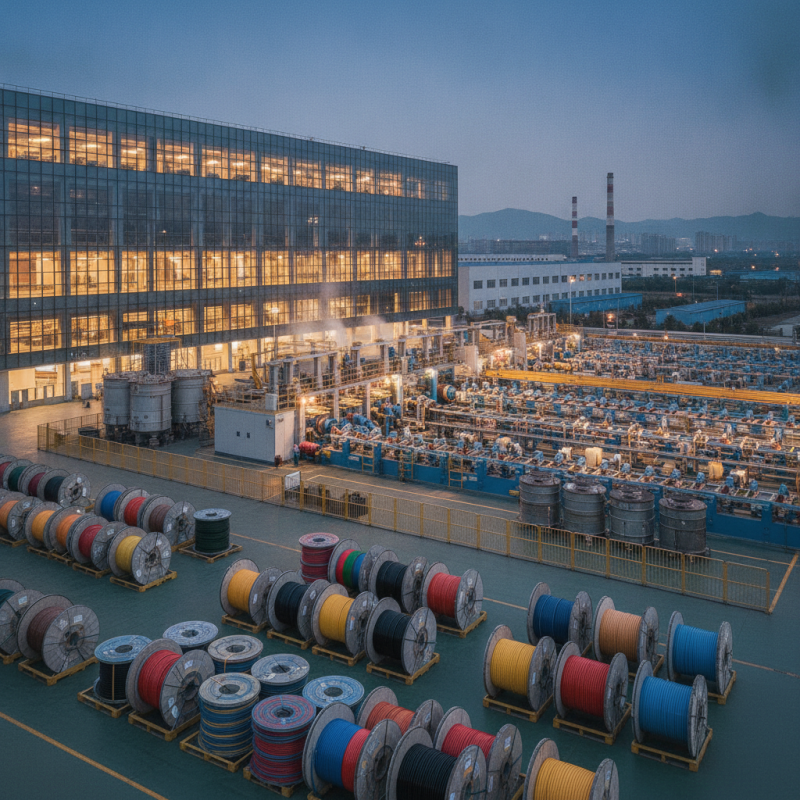
In China, cable coating plants play a vital role in the global supply chain. These facilities specialize in producing high-quality coatings for various cables. They focus on developing materials that enhance durability and resistance. The technology used is often state-of-the-art, but it is not universally applicable. Production processes can vary significantly between plants.
Many cable coating plants prioritize sustainability. They invest in eco-friendly materials and energy-efficient processes. Yet, challenges remain in achieving consistent quality. Some plants struggle with waste management and emissions. The regulatory framework can be complex, leading to inconsistencies in adherence.
Collaboration with local universities and research institutions is common. This fosters innovation and keeps plants competitive. However, some manufacturers may lack the necessary expertise. Investing in employee training is essential for future growth. Balancing quality with cost is a recurring challenge for many plants.
Key Players in the Cable Coating Industry in China
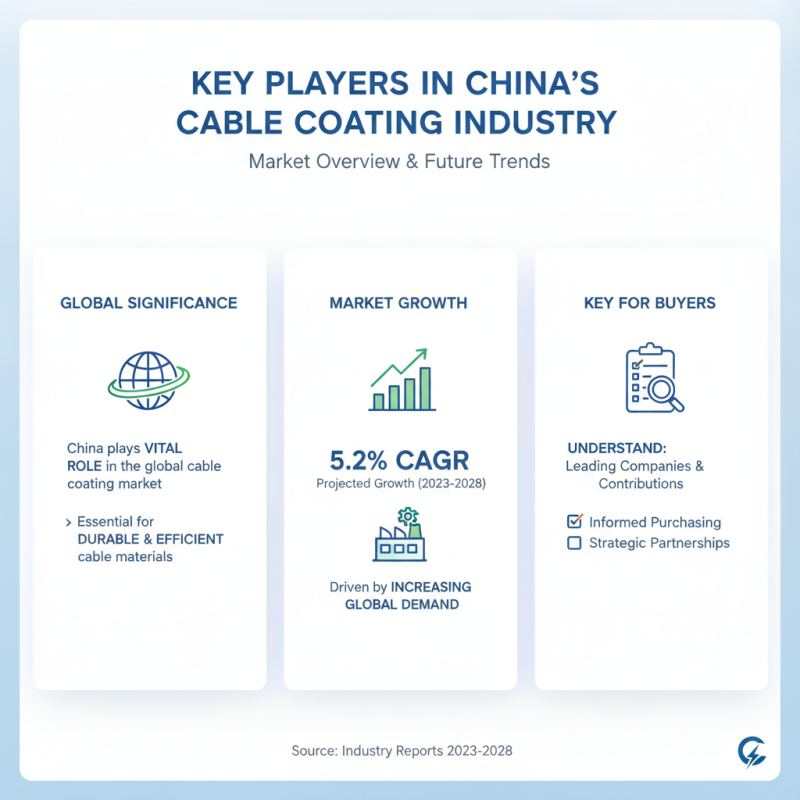
The cable coating industry in China plays a vital role in the global market. It is essential for buyers to understand the key players and their contributions. Recent reports indicate that China's cable coating sector is expected to grow at a CAGR of around 5.2% between 2023 and 2028. This aligns with the increasing demand for durable and efficient cable materials worldwide.
Several companies dominate this market segment. They provide a variety of coating solutions, including polyvinyl chloride and polyethylene. These materials offer excellent insulation and protection against environmental factors, which is crucial for cable longevity. It is estimated that nearly 70% of the production capacity for cable coatings is centralized in a few major provinces. These regions have advanced manufacturing capabilities and stringent quality controls.
Despite the promising growth, challenges exist. Issues such as raw material volatility and supply chain disruptions can impact production. Additionally, environmental regulations are becoming stricter. Adapting to these changes is crucial. Companies must invest in sustainable practices to meet future demands. The landscape is evolving, and stakeholders must remain agile and informed.
Technological Advancements in Chinese Cable Coating Plants
China has emerged as a leader in the cable coating industry. Recent technological advancements have driven this growth. A report from the China National Chemical Corporation (CNCC) indicates that over 70% of cable manufacturers now utilize advanced coating technologies. This shift has improved overall production efficiency and reduced waste.
Innovations in materials and processes are significant. For example, the use of environmentally friendly polymers has accelerated. These materials not only improve cable durability but also align with global sustainability goals. Data from the China Plastics Processing Industry Association shows that eco-friendly coatings have increased by 35% in recent years.
However, challenges persist. Compatibility issues between new coatings and existing cable materials remain a concern. Moreover, the high initial costs of advanced coating systems can deter smaller manufacturers. As the industry evolves, addressing these challenges will be crucial for maintaining growth. Collaboration and research will also be essential in refining these technologies.
Technological Advancements in Chinese Cable Coating Plants
Export Trends and Global Market Impact of Chinese Manufacturers
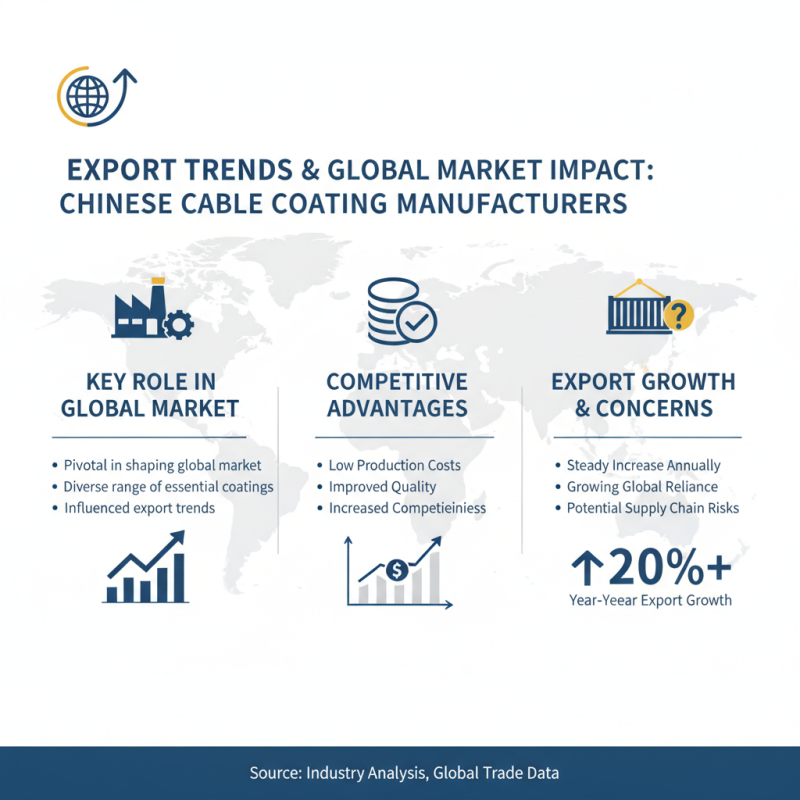
China's cable coating plants have been pivotal in shaping the global market. These manufacturers produce a diverse range of coatings essential for various industries. Their contributions have influenced export trends significantly. The low production costs, combined with improved quality, make Chinese manufacturers competitive. Export numbers show a steady increase year after year. However, this growth also raises concerns over reliance on a single region.
Tips: When exploring suppliers, pay attention to their compliance with international standards. This ensures that the coatings meet your requirements.
The impact of Chinese manufacturers is felt worldwide. Many global buyers are shifting toward sourcing from China. Yet, they must assess the risks involved. There's a fine line between cost efficiency and quality. Companies often overlook the importance of quality assurance measures. This can lead to challenges in project execution.
Tips: Always evaluate multiple suppliers to compare quality and pricing. A thorough research process can save complications later.
While the future looks bright for China's cable coating industry, there are challenges. Potential tariffs and logistics issues can disrupt the supply chain. Building strong relationships with suppliers is crucial. This helps mitigate risks and fosters mutual growth in a changing market.
Sustainability Practices in China's Cable Coating Production
Sustainability practices in China's cable coating production are gaining importance. Many plants are adopting eco-friendly methods. These innovations are not just about compliance; they reflect a shift in mindset. Reducing waste and using renewable materials are becoming standard.
The use of water-based coatings is rising. These are less harmful compared to traditional solvents. Some manufacturers reprocess leftover materials, minimizing landfill contributions. However, challenges remain. Transitioning can be costly, and not all companies are equipped to adapt. There is still a long way to go.
Tips: Focus on the production process. Ensure that sustainability practices meet international standards. Regularly evaluate the supply chain for eco-friendly opportunities. Collaborate with local experts for better results. This proactive approach can drive significant improvements.
Top Cable Coating Plants in China for Global Buyers - Sustainability Practices in China's Cable Coating Production
| Plant Location |
Production Capacity (tons/year) |
Sustainable Practices |
Certifications |
Years in Operation |
| Shanghai |
2000 |
Energy Efficiency Improvements, Waste Recycling |
ISO 14001, OHSAS 18001 |
15 |
| Shenzhen |
1500 |
Solar Energy Utilization, Green Materials |
ISO 9001, RoHS |
10 |
| Guangzhou |
1800 |
Water Conservation, Emission Reduction |
ISO 50001 |
12 |
| Beijing |
2500 |
Biodegradable Coatings, Eco-Friendly Processes |
ISO 14001, CE |
20 |
| Tianjin |
1200 |
Recycling Initiatives, Carbon Footprint Reduction |
ISO 9001, Green Label Certification |
8 |