Top Copper Wire Granulator Machines for Global Buyers
Choosing among the top Copper Wire Granulator Machine options requires more than comparing price tags. Global buyers must examine recovery rates, processing capacity, cable size limits, energy use, and maintenance access. A polished brochure can hide important compromises.
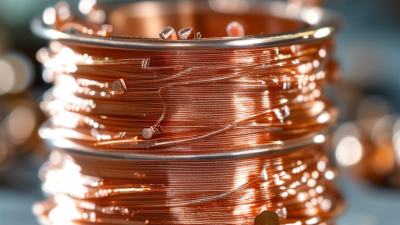
Dr. Veena Sahajwalla, a respected materials-recycling researcher, has stated, “Waste is a resource in the wrong place.” This principle fits copper cable recycling closely. A well-designed Copper Wire Granulator Machine turns insulated wire into separated copper and plastic streams. The result should look practical: bright copper granules, clean plastic flakes, and limited dust around the discharge area.
Real operating conditions matter. A machine rated for 500 kilograms per hour may perform differently with mixed cables, damp insulation, or thin household wire. Buyers should request test results using their actual feedstock. They should also verify motor specifications, electrical compatibility, noise controls, dust collection, and replacement-blade availability. These details often decide long-term profitability.
There is no universal winner. Some systems provide excellent separation but require careful feeding. Others offer stronger throughput but consume more power. That trade-off deserves honest attention. Supplier experience, installation training, warranty terms, and technical support should also influence the final decision. Reliable manufacturers can explain their test methods and provide clear performance data.
This guide compares leading machines for international buyers. It focuses on measurable performance, operating practicality, safety-conscious design, and ownership costs. The goal is not to promote the largest model. It is to identify the right machine for each cable stream, facility size, and recycling target.
Copper Wire Granulator Machines: Definition, Purpose, and Core Functions
Top Copper Wire Granulator Machines for Global Buyers
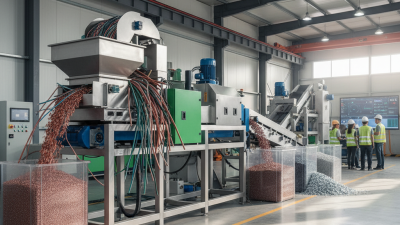
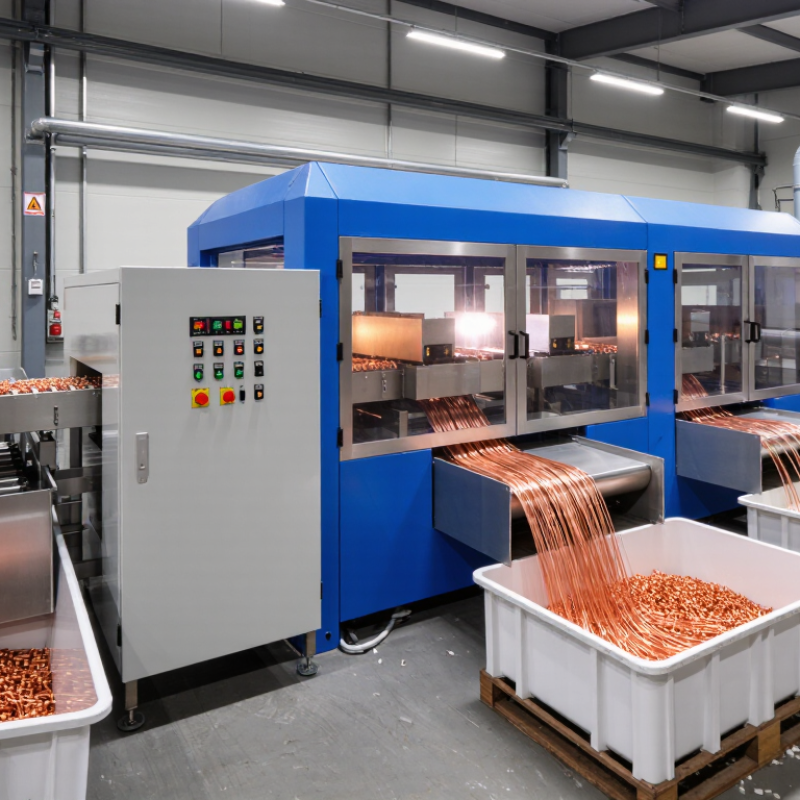
Copper wire granulator machines process insulated cables into reusable copper granules and separated plastic. Their core purpose is material recovery, not simple size reduction. A typical line uses a cutter, vibrating separator, air system, and dust-control unit. Smaller feedstock enters the chamber, where rotating blades expose the metal. Separation follows through controlled airflow and vibration. The result is cleaner copper with less manual sorting.
The Global E-waste Monitor 2024 reported 62 billion kilograms of electronic waste in 2022. Only 22.3% received documented formal collection and recycling. This gap shows why efficient cable recovery matters. Granulators can reduce landfill pressure and improve the value of low-volume wire streams. However, recovery rates depend heavily on cable diameter, insulation type, moisture, and operator settings. One machine cannot perform equally well on every feedstock.
Practical testing matters.
Buyers should inspect copper purity, throughput, energy use, noise, and dust emissions. A supplier’s laboratory result may not match mixed warehouse cables. That is an uncomfortable but important limitation. The International Copper Study Group continues to track strong global demand for refined copper, increasing interest in reliable secondary sources. Buyers should request sample trials, maintenance records, and clear capacity data before purchase. Proper grounding, enclosed transfer points, and regular blade checks also support safer, more consistent operation.
How Copper Wire Granulators Work: From Cable Feeding to Metal Separation
Top Copper Wire Granulator Machines for Global Buyers
How Copper Wire Granulators Work: From Cable Feeding to Metal Separation
A copper wire granulator begins with controlled cable feeding. Operators place sorted cable onto a conveyor or hopper. Feed speed must match the cutter’s capacity. If the material enters too quickly, the chamber may jam. Small errors matter.
Rotating blades cut the cable into short pieces. A screening system then controls particle size and returns oversized pieces for further processing. The granulator separates copper from plastic insulation through airflow and vibration. Heavier copper particles move differently from lighter plastic flakes. An adjustable air table helps refine this separation. It is not magic. Cable diameter, moisture, and insulation type can change the result.
In practical operation, clean input improves recovery and reduces dust. I have found that regular blade inspection often matters more than advertised capacity. Worn blades create uneven particles and increase energy use. Operators should check screens, bearings, seals, and dust collection points during routine maintenance. A small sample test can reveal whether copper is leaving with the plastic. That check is easy to overlook. Machines with stable feeding, accessible maintenance areas, and precise airflow controls are generally easier for global buyers to evaluate. Actual performance should be verified with the buyer’s own cable mixture, not only with laboratory samples.
Top Copper Wire Granulator Machines for Global Buyers
How Copper Wire Granulators Work: From Cable Feeding to Metal Separation
This illustrative mass balance follows 100 kg of mixed insulated copper cable through feeding, granulation, and separation. The model assumes 40 kg of copper and 60 kg of insulation in the incoming material. Granulation changes the cable size without materially changing its composition, while air or vibration separation can recover approximately 98% of the copper under suitable operating conditions. Actual results vary with cable type, moisture, contamination, screen settings, and feed preparation.
Key Machine Types and Their Suitable Recycling Applications
Top Copper Wire Granulator Machines for Global Buyers
Key Machine Types and Their Suitable Recycling Applications
Copper wire recycling equipment should match the incoming material, not only the target capacity. A wire stripping machine suits thick, clean cable with stable insulation. It leaves long copper conductors and creates limited dust. A dry granulator works better with mixed cable, including thin automotive and communication wires. Its cutting chamber separates copper from plastic through airflow and vibration. Wet separation can improve performance when fine particles and difficult insulation reduce dry-system accuracy.
For larger recycling operations, an integrated line combines pre-shredding, granulation, air separation, and dust collection. This setup suits irregular feedstock and continuous production. Operators should check cable diameter, copper recovery, noise, maintenance access, and power demand. A 99% purity claim needs testing. Feedstock can change the result sharply.
The Global E-waste Monitor 2024 reported 62 million tonnes of e-waste generated in 2022. Only 22.3% was formally collected and recycled. The volume may reach 82 million tonnes by 2030. These figures support stronger copper recovery systems, especially near electronics and cable-processing centers. The International Copper Association notes that recycled copper can require up to 85% less energy than primary production. Still, energy savings depend on efficient operation. A poorly adjusted separator wastes material. Smaller buyers may prefer a modular granulator, although future expansion can become awkward. Testing real cable samples before purchase remains essential.
Essential Buying Criteria for Global Copper Recycling Businesses
Global copper recycling businesses should assess a granulator by material flow, not attractive catalog figures. Measure expected cable volume, wire diameter, insulation types, and daily operating hours. A machine rated for 500 kilograms per hour may perform differently with mixed, damp, or heavily insulated cable. Numbers can mislead. Ask for test results using samples similar to your feedstock.
Separation quality directly affects copper value and downstream handling. Check whether the system combines a granulator, air separator, and screening process effectively. A practical target is consistent copper recovery with minimal plastic carryover. Inspect blade material, screen access, motor efficiency, and dust-control design. Small details matter. Easy maintenance can reduce stoppages, especially where skilled technicians are limited. Review noise levels, emergency controls, guarding, and electrical compatibility before purchase.
Global buyers should calculate total ownership costs, including freight, installation, power consumption, spare parts, and operator training. Confirm available technical support across time zones and request clear maintenance schedules. Ask for references from facilities processing comparable cable, not merely general testimonials. Documentation should explain output limits, safety procedures, and replacement intervals. A low purchase price can hide expensive downtime. It is also wise to question optimistic recovery claims and test the machine independently when possible. Some buyers focus too heavily on capacity and overlook feed preparation, which can weaken real-world performance.