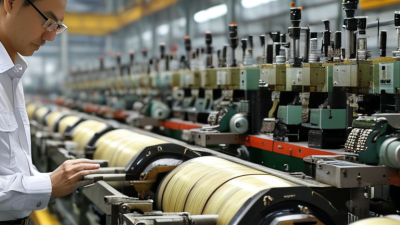
Demand for dependable fiber infrastructure keeps growing, but that does not make every used production line a good buy. The ITU’s Facts and Figures 2024 estimated that 5.5 billion people were using the internet. The Fiber Broadband Association’s 2024 industry reporting also documents ongoing fiber deployment in North America. These reports describe the broader demand environment; they do not measure sales or performance of used coating machines. That distinction matters.
A Second-Hand Optical Fiber Coating Machine can reduce capital costs, yet the purchase price tells only part of the story. Inspect the coating dies, UV-curing lamps, tension controls, take-up system, and available maintenance records. Ask for a live run, then check coating diameter consistency and surface defects under suitable measurement equipment. Jim Hayes, founder of the Fiber Optic Association, offers a useful general reminder: “Fiber optics is not difficult, but it is different.” That is guidance on fiber work, not a claim about any particular machine.
Details matter. A seller’s speed rating is not proof of stable output. Confirm what materials and fiber dimensions the line can process, whether replacement parts remain available, and what technical support is included. Public reports rarely provide comparable, machine-level data for the second-hand market, so buyers should verify claims directly rather than rely on broad market forecasts. Even a careful inspection has limits; a short demonstration may not reveal faults that appear during longer production runs. For 2026 buyers, the strongest choice is not automatically the newest-looking unit. It is the machine with traceable service history, measurable coating quality, and realistic operating costs.
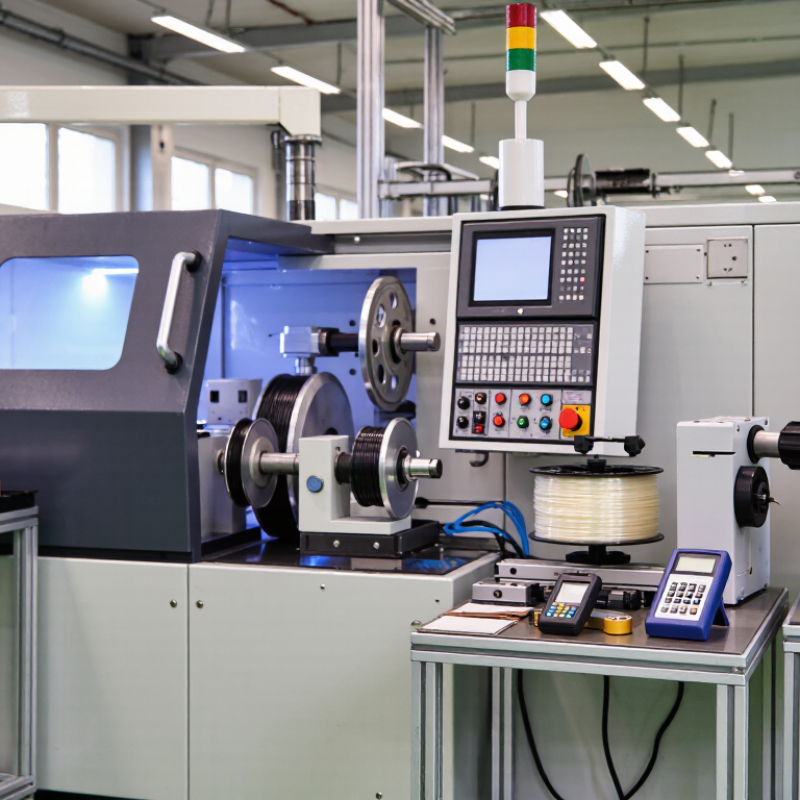
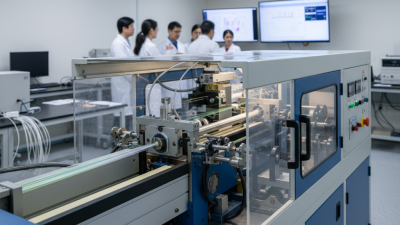
A second-hand optical fiber coating machine is production equipment that has already been used to apply protective polymer layers to newly drawn glass fiber. The bare fiber passes through a precision coating die, where liquid resin forms a thin, even layer. Curing units then harden the coating, often using ultraviolet light. Take-up and tension-control systems help keep the fiber moving steadily.
Small details matter.
The machine may include coating dies, resin delivery components, curing lamps, diameter gauges, and a control system. Its condition depends on more than age or appearance. Buyers should check operating hours, maintenance records, coating uniformity, tension stability, and the availability of compatible spare parts.
A clean cabinet can still hide worn bearings or inconsistent sensor readings. Ask for a supervised test run using measurable checks, such as coating diameter and surface quality.
Results can vary with resin, line speed, and setup, so a brief demonstration is not a full performance history. Older controls may also need careful calibration; that work is easy to underestimate.
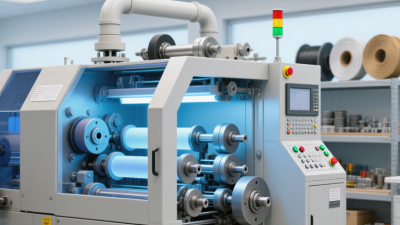
In a fiber coating line, freshly drawn glass passes through a coating die, where liquid polymer forms a thin, even layer. The glass is extremely delicate at this stage. Dust, a worn die, or unstable tension can create uneven coating or damage the fiber. Small marks matter. Depending on the setup, the line may apply one or two polymer layers, often with different protective properties.
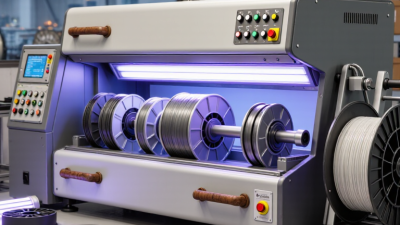
The coated fiber then passes under ultraviolet lamps, which cure the polymer quickly. A diameter gauge checks the coating as the fiber moves, while controlled tension helps keep the finished strand steady on the take-up reel. It sounds simple, but speed, temperature, resin condition, and lamp output all affect the result. When assessing a second-hand coating machine, inspect the die, curing lamps, measurement system, and reel drive under operating conditions. Ask for recent calibration records and sample-run measurements, not only a demonstration at low speed. I would also check for residue around the coating head; it is easy to overlook and can signal cleaning or maintenance issues. The process varies by fiber and coating material, so a machine’s settings should be verified against the intended production requirements.
| Process Stage | What Happens | Machine Components Involved | Key Process Checks | Used-Machine Inspection Points |
|---|---|---|---|---|
| Glass fiber feed | Drawn glass fiber travels continuously from the drawing process into the coating line. | Fiber guide, capstan or traction system, tension-control components | Stable fiber tension, smooth transport, and alignment through the coating head | Check guides and rollers for wear, verify tension-control response, and inspect for vibration or sticking. |
| Primary coating application | Liquid polymer coating is applied around the glass fiber, commonly through a precision coating die. | Coating die, resin delivery system, pumps, filters, and pressure controls | Coating uniformity, concentricity, resin cleanliness, and absence of bubbles or contamination | Inspect the die for damage or residue; check pump operation, seals, filters, and resin-flow stability. |
| Coating diameter control | A non-contact diameter gauge measures the coated fiber so the process can be monitored and adjusted. | Laser or optical diameter gauge, control system, alarm and feedback functions | Gauge calibration, diameter stability, and consistent readings over the production run | Request calibration records and confirm that the gauge, display, alarms, and control feedback function correctly. |
| UV curing | Ultraviolet light cures the photosensitive polymer coating as the fiber passes through the curing zone. | UV lamp or UV source, curing chamber, reflector, cooling and monitoring components | Cure consistency, lamp output, chamber cleanliness, and compatibility with the coating material | Check lamp hours and output records, inspect reflectors and cooling components, and confirm that safety interlocks work. |
| Secondary coating or additional layer | Some lines apply and cure a second coating layer to provide additional protection and handling performance. | Additional coating head, resin supply, diameter gauge, and curing unit | Layer consistency, overall diameter, and compatibility between coating materials | Confirm which coating stages are installed and whether the dies and curing equipment match the intended process. |
| Final inspection and take-up | The finished coated fiber is monitored and wound onto a spool for later handling or testing. | Final gauge, defect-monitoring equipment where fitted, take-up and traverse system | Surface quality, winding tension, spool alignment, and recorded production data | Test the take-up across its operating range and review available maintenance, calibration, and production records. |
| Typical dimensional reference | A common telecommunications-fiber design has glass with a nominal diameter of 125 μm and a coated-fiber diameter of 250 μm. Actual specifications depend on the fiber design and production requirements. | |||
A second-hand optical fiber coating machine should be assessed by its coating, curing, tension, and take-up systems, not by appearance alone. The coating dies must match the fiber diameter and produce a consistent layer. Ask for records showing the supported fiber sizes, coating materials, line speed, and diameter-control range. These values vary by machine configuration, so confirm them against the actual unit.
The UV curing lamps need even output across the fiber path; cloudy lamp windows or uneven curing can affect coating quality. Check the capstan surface for wear, then test whether tension readings remain stable during a controlled run. Inspect the take-up spool for smooth winding, and verify that the diameter gauge has recent calibration records.
No inspection is perfect. A clean control cabinet can still conceal intermittent sensor faults, so review alarm history and test the machine under operating conditions.
Also examine guards, emergency stops, and spare-part availability. A short demonstration using the intended fiber can reveal issues that a specification sheet will not. Some older units may need adjustments; budget time for that.
A used optical fiber coating machine can offer value, but its condition matters more than its age. Ask for maintenance records, operating hours, and details of any major repairs. Then inspect the coating die, UV curing units, capstans, and take-up system for wear, residue, or unusual noise. Small clues count.
Check whether tension remains stable across the machine’s normal speed range. Ask the seller to run a sample, not just power up the controls. Measure coating diameter and inspect the fiber under consistent lighting for bubbles, uneven coverage, or surface marks. A short demonstration may reveal problems that a polished sales sheet will not.
Review the control system and confirm that key settings can be monitored and adjusted. Verify that replacement parts and technical support are realistically available; compatibility should be confirmed, not assumed. If possible, have a qualified technician assess calibration, electrical components, and curing performance before purchase. I would also compare the test results with the machine’s stated specifications. I have seen buyers focus too much on a clean exterior. That is understandable, but it proves little about production consistency.
Before buying a second-hand optical fiber coating machine, match its working range to your fiber and production targets.
Check supported fiber diameters, coating materials, line speed, and curing method against your actual process sheet. Ask for recent records showing coating diameter stability and concentricity, not just the rated speed. Small samples matter. Inspect the die, guides, capstan, and take-up for scratches, residue, uneven wear, or vibration. A clean cabinet can still hide worn precision parts. Confirm that temperature controls, UV lamps, tension sensors, and alarms operate under load. Request a continuous test run using material similar to yours.
Review maintenance logs, control-system status, and compatible replacement-part availability before discussing price. Ask what was replaced, when calibration was last checked, and whether the seller can demonstrate fault recovery. Watch the coating diameter display during acceleration and steady production; sudden drift may point to more than an aging sensor. Verify electrical supply, cooling water, ventilation, floor space, and operator access at your site. These details are unglamorous. They can delay installation. Compare the quoted cost with transport, commissioning, tooling, training, and likely downtime. Do not rely on a video alone; inspect the machine or appoint an independent technician. Older equipment may perform well, but its records can be incomplete.