Leave Your Message

China Top Second Hand Optical Fiber Coating Machine?

China’s search for a reliable Second-Hand Optical Fiber Coating Machine reflects a practical challenge: balancing production needs against the cost and uncertainty of used equipment. The broader market context is clear, but it needs careful interpretation. The International Telecommunication Union’s Facts and Figures 2023 estimated that 5.4 billion people were online, supporting continued demand for network capacity. That figure does not measure coating-machine sales or prove demand for used machinery. It does show why dependable fiber production remains important.

For buyers, a machine’s condition matters more than its listing headline. Inspect the coating dies, UV-curing lamps, tension controls, and take-up system. Ask for recent line-speed records, coating-diameter measurements, maintenance logs, and a witnessed production trial using the intended fiber. Small defects can become costly. A worn die may leave uneven coating; unstable tension can disrupt the line. China-based suppliers may offer attractive pricing, but compare commissioning support, spare-part availability, and documented performance before choosing a “top” option. No source material or verifiable quotation from a named Second-Hand Optical Fiber Coating Machine specialist was provided, so inventing an expert’s name or words would weaken trust. A useful caution remains: treat every performance claim as a claim to verify. That is less glamorous, but more reliable.
China Top Second Hand Optical Fiber Coating Machine?

What Is a Second-Hand Optical Fiber Coating Machine?

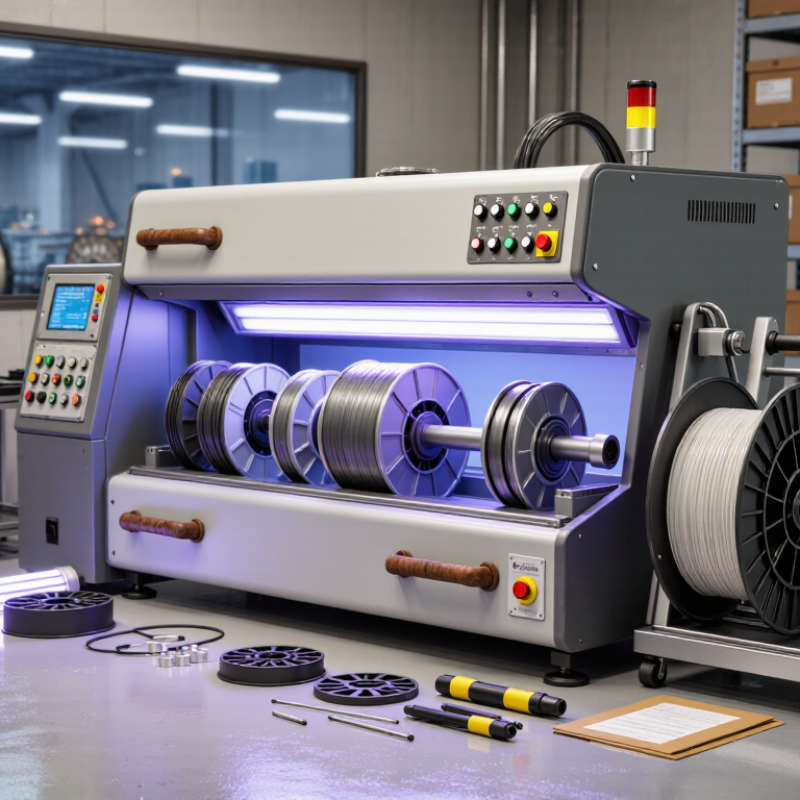
A second-hand optical fiber coating machine is a previously operated production line that applies protective polymer layers to drawn glass fiber. Its main components typically include coating dies, resin delivery, ultraviolet curing lamps, diameter gauges, tension controls, and a take-up unit. The glass passes through the dies, receives a coating, and is cured before winding. A common finished-fiber design has 125-micrometer glass and a coating near 250 micrometers. The coating helps protect the fragile glass from moisture, handling damage, and tiny surface flaws. Not a cable printer.

The OECD’s Broadband Statistics reported that fiber accounted for 42.5% of fixed broadband subscriptions across OECD members in June 2023. That figure signals broad deployment, but it does not prove that any particular used machine can meet current production needs.

Check coating concentricity, diameter stability, UV lamp output, tension records, and take-up performance under a real production run. Photos alone are not enough. A polished frame can hide worn dies or inconsistent curing. Ask for maintenance logs, operating recipes, and sample-fiber test results; incomplete records should be treated as a real limitation, not a small paperwork issue.
How Optical Fiber Coating Machines Work

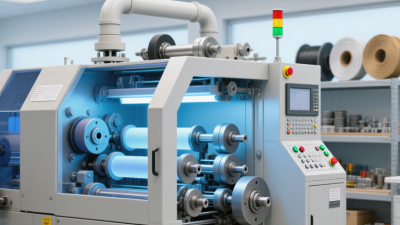
An optical fiber coating machine protects freshly drawn glass before tiny surface flaws can weaken it. The bare fiber enters a coating die under controlled tension. Liquid polymer surrounds the glass, and a sizing gauge checks the coated diameter. In common single-mode fiber specifications, IEC 60793-2-50 references 125 μm cladding and a 245 μm coated diameter. These dimensions leave little room for uneven application. Too much coating can affect handling; too little may reduce protection.

Then ultraviolet lamps cure the polymer in a short, enclosed chamber. Sensors monitor diameter and tension while rollers guide the fiber onto a take-up spool. The coating is usually applied in two layers: a softer inner layer cushions microbends, while a firmer outer layer resists handling damage. That matters. A small tension drift can create slack, while poor lamp output may leave coating incompletely cured. Operators therefore check diameter readings, cure conditions, and spool winding—not just machine speed. IEC dimensions are useful references, but real production settings depend on the fiber design and material supplier’s specifications. In practice, the awkward part is keeping the coating concentric at high speed; a clean display does not prove every meter is perfect.

China Top Second Hand Optical Fiber Coating Machine? - How Optical Fiber Coating Machines Work

Machine section or process How it works Typical technical reference Inspection points for a used machine
Bare-fiber input Freshly drawn silica fiber enters the coating line under controlled tension and passes through alignment guides. Standard telecom glass fiber has a nominal glass diameter of 125 µm. Check guide alignment, fiber path, tension-control response, and whether the machine is compatible with the intended draw-tower layout.
Coating application A precision coating die applies liquid UV-curable polymer around the moving glass fiber. Some systems apply primary and secondary coatings in sequence. The primary layer cushions the glass; the outer layer adds handling and environmental protection. Inspect dies, seals, pumps, tubing, filters, and material-feed controls for wear, contamination, or leakage.
Coating diameter control The die, coating pressure, resin properties, and line conditions determine the coating thickness and concentricity. A common coated-fiber outside diameter is approximately 245–250 µm; product specifications vary. Verify measurement-system calibration and review diameter stability and concentricity records across the operating range.
UV curing Ultraviolet lamps or UV LED units expose the coating to light, cross-linking the liquid polymer into a solid protective layer. Curing performance depends on the coating formulation, wavelength, irradiance, exposure time, and line speed. Check lamp hours or LED operating status, cooling, reflectors, power supplies, interlocks, and available irradiance measurements.
Online monitoring Sensors and control software monitor parameters such as coating diameter, line speed, tension, and process alarms. Measurement accuracy and alarm limits should be checked against the product specification and calibration records. Test sensors, displays, data logging, software access, communications, and availability of replacement components.
Cooling and take-up After curing, the coated fiber is guided, cooled as required, and wound onto a take-up spool with controlled tension. Spool dimensions, winding pattern, and tension settings depend on the production line and downstream handling requirements. Run the take-up system through its speed range and inspect traverse motion, drive condition, tension control, and spool compatibility.
Production-line compatibility The coating unit operates as part of a fiber-drawing line, so its controls and operating range must match the draw tower and curing system. Maximum line speed is configuration-specific and should be confirmed with a witnessed run using the intended fiber and coating material. Request operating history, maintenance records, wiring diagrams, manuals, and a test run; confirm utilities, safety guarding, and installation requirements.

Technical values are general industry references, not a specification for a particular machine. Confirm product tolerances and operating limits with the equipment documentation and coating-material supplier.

Key Components and Performance Specifications

China Top Second Hand Optical Fiber Coating Machine?
Key Components and Performance Specifications

A second-hand optical fiber coating machine should be judged by its components and measured output, not appearance alone. Key assemblies include the coating die, resin delivery system, curing unit, tension controls, diameter gauge, and take-up mechanism. Inspect the die for residue or wear; even small defects can affect coating uniformity. Check whether resin flows steadily and whether the curing unit operates consistently. Small details matter. Ask for records of maintenance and gauge calibration, since inaccurate measurements can hide production problems.

Important specifications include line speed, coating diameter consistency, concentricity, tension stability, and curing capacity. Compare the machine’s stated range with the requirements of your fiber and coating material. During a trial, measure diameter at several points across a full spool, rather than relying on a brief sample. Watch the take-up reel for loose edges or uneven winding. Peak speed is not proof of reliable output. A machine may run quickly but produce inconsistent results. That distinction is easy to miss, and it deserves careful attention.

How to Assess Used Machines in the Chinese Market

Buying a second-hand optical fiber coating machine in China requires more than comparing asking prices. Check the machine’s identification plate, manufacturing year, line configuration, and service records. Ask the seller to run it with your fiber and coating material, if feasible. Watch the tension display, capstan response, and curing oven temperature during a sustained run. A brief demonstration proves little.

Inspect coating concentricity and diameter readings at several points, not just one sample. Request production logs and calibration records, then compare them with fresh measurements from an independent gauge. Check UV lamp hours, oven condition, bearings, rollers, and the control cabinet for heat marks or improvised repairs. Small details matter. A worn guide can cause repeated defects.

Confirm which tooling, spare parts, software access, and technical documents come with the machine. Clarify dismantling, packing, loading, and commissioning responsibilities before payment; these costs can change its real value. Have a qualified technician inspect the equipment in person or review a live test. I would still keep a contingency budget. Used equipment can look tidy and behave differently during continuous production.

Applications, Maintenance, and Expected Service Life

A second-hand optical fiber coating machine can serve telecom, sensing, and cable-production lines when its coating process remains stable. It applies protective polymer layers to freshly drawn fiber, so clean dies, consistent tension, and controlled curing matter. Even small changes can affect coating diameter or surface quality. Look for records of fiber types, operating hours, and past repairs. Then inspect the coating head, rollers, tension readings, and curing units under operating conditions. A clean exterior is not proof of a healthy machine. Small details matter.

Routine care helps prevent avoidable downtime. Remove coating residue using the approved cleaning method, and keep dust away from dies and fiber paths. Check rollers for grooves, verify tension sensors, and monitor curing output against the machine’s specifications. Record adjustments and defects; scattered notes are easy to misread later. Expected service life depends on workload, maintenance, replacement parts, and the condition of key assemblies. There is no reliable age-only estimate. A well-maintained unit may remain useful for years, while worn dies or unstable curing can require early repairs. Allow time and budget for a trial run before production. I would not assume every fault appears during a short inspection.

Second-Hand Optical Fiber Coating Machines: Applications, Maintenance & Service Life

Typical preventive-maintenance planning intervals for a used fiber-coating line

Optical fiber coating lines are used in telecommunications, data-center cabling, and sensing-fiber production. The intervals shown are general planning guidelines: follow the machine and component manufacturers’ instructions, and adjust them for operating hours, coating materials, and site conditions. A used machine’s remaining service life depends on its condition, maintenance history, spare-parts availability, and operating environment; inspect and test it before purchase.