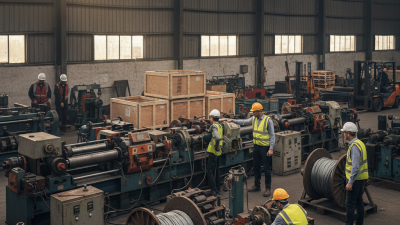
What Is Cable Machinery Installation?
Cable Machinery Installation is the controlled process of positioning, connecting, aligning, and testing equipment used to manufacture cables. It may include pay-off stands, wire drawing machines, extruders, cooling troughs, capstans, take-up systems, and electrical control cabinets. Each component must work as part of one coordinated production line.
The work begins with a detailed review of the factory layout, machine drawings, utilities, and operating requirements. Technicians check floor strength, access routes, ventilation, compressed air, cooling water, and power capacity. They then position each machine with measured clearances and secure it against movement. Accurate alignment matters. A small error can create uneven tension, surface damage, or unnecessary vibration.
Cable Machinery Installation also includes cable routing, control-panel connections, sensor checks, guarding, lubrication, and trial production. Experienced teams follow the equipment manufacturer’s instructions and applicable local safety requirements. They document torque settings, test results, calibration details, and unresolved issues. This record supports reliable maintenance later.
Real installations are rarely perfect. Delivery delays, uneven floors, or incomplete drawings can change the original plan. Good installers respond carefully instead of hiding these problems. They verify assumptions, communicate changes, and test each adjustment. A successful commissioning process should prove stable speed, consistent tension, safe operation, and acceptable cable quality.
The final result is more than a running machine. It is a dependable production system supported by evidence, practical experience, and disciplined inspection. Mistakes can still happen. Honest review keeps them from becoming expensive habits.
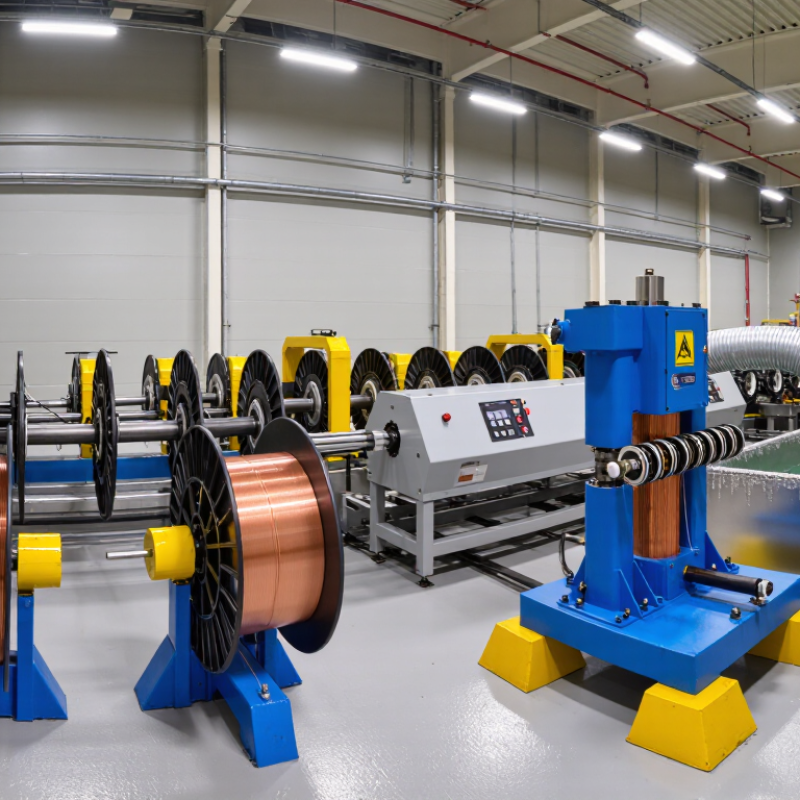
Definition and Scope of Cable Machinery Installation
What Is Cable Machinery Installation?
Definition and Scope of Cable Machinery Installation
Cable machinery installation is the controlled process of positioning, assembling, connecting, and testing equipment used to manufacture or process cables. It is not just wiring. The work may include pay-off units, tension systems, guiding rollers, take-up machines, extrusion lines, cooling sections, and control cabinets.
The scope begins with reviewing the production layout and checking the foundation. Technicians verify floor strength, machine clearance, access routes, and maintenance space. They then align shafts, level frames, connect power and control circuits, and install pneumatic or cooling lines where required. A small alignment error can create uneven tension, surface marks, or unstable cable movement. Details matter.
Commissioning is also part of the installation scope. Qualified personnel check emergency stops, guards, grounding, sensor signals, line speed, and temperature controls. Trial production should use measured settings and documented results. Cable diameter, tension, and running speed need close observation. “It runs” is not enough. A machine may operate while producing hidden defects.
The process also includes manuals, inspection records, training, and planned maintenance information. Responsibilities must be clear between equipment suppliers, installers, electricians, and production staff. In practice, schedules are sometimes too optimistic. That assumption fails when foundations are unfinished or utilities are poorly positioned. A careful installation allows time for correction, because real workshop conditions rarely match the original drawing perfectly.
Main Equipment and System Components
Cable machinery installation is the controlled process of positioning, connecting, and testing equipment used to manufacture cables. It involves more than placing machines on a factory floor. Alignment, electrical safety, material flow, and operator access all affect production quality.
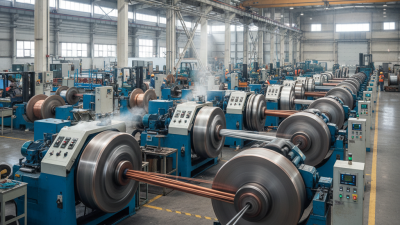
The equipment line usually begins with a pay-off stand, which releases conductor or cable at a steady rate. Tension control prevents loose loops and unwanted stretching. Guides keep the material centered before it reaches the main processing unit. In insulation lines, an extruder applies polymer around the conductor. A cooling trough then hardens the layer with circulating water. The capstan maintains pulling force, while the take-up unit winds the finished cable evenly.
System components support stable operation. A programmable control system coordinates speed, temperature, tension, and alarms. Sensors monitor diameter, pressure, water level, and line movement. Electrical cabinets need clear labeling and dependable grounding. Emergency-stop devices should remain visible from working positions. Mechanical guards also protect hands near rotating parts.
During installation, technicians should check shaft alignment with precision tools, not visual judgment alone. Trial runs at low speed can reveal vibration, tracking errors, or uneven winding. Some problems appear only after several hours of heat. That detail is easy to overlook. Installation records should include torque settings, cable routes, sensor tests, and calibration results. A perfect setup is unlikely on the first attempt, so measured adjustments and honest maintenance notes remain essential.
Site Preparation and Installation Planning
What Is Cable Machinery Installation?
Site Preparation and Installation Planning
Cable machinery installation begins before the equipment reaches the factory floor. The team checks floor loading, access routes, power capacity, ventilation, and cable-storage space. A marked layout prevents conflicts with forklifts, panels, and emergency paths. It also gives technicians a safer working sequence.
The Project Management Institute’s Pulse of the Profession 2024 report states that organizations waste 11.4% of investment because of poor project performance. That figure matters here. A missing foundation detail or late utility connection can stop installation for days. I have seen a machine arrive before the lifting route was cleared. The installation looked simple, but the delay was avoidable. Confirm anchor positions, leveling tolerances, compressed-air quality, and grounding requirements before delivery. These details often receive less attention than machine selection.
Tips: Build a site-readiness checklist with signed approvals. Photograph the floor, utility points, and access route. Keep one drawing revision in control. Let the installer review the plan before construction begins. Small assumptions can become expensive corrections. ISO 12100 risk-assessment principles also support early hazard identification, while IEC 60204-1 guides electrical safety considerations. Still, standards do not replace site judgment. Local conditions may expose problems that drawings miss.
Step-by-Step Machinery Installation Process
What Is Cable Machinery Installation?
Step-by-Step Machinery Installation Process
Cable machinery installation means preparing, positioning, connecting, and testing equipment before production begins. A reliable process starts with a site inspection. Technicians check the floor strength, working space, power supply, ventilation, and cable routes. They also review technical drawings and safety requirements. Small oversights can create serious alignment problems later.
The equipment is then moved carefully into position and leveled with precision tools. Anchors are installed according to the approved layout. Technicians connect electrical lines, control systems, cooling pipes, and material-feeding components. Each connection needs a physical inspection before power is applied. I have found that early measurements often reveal practical issues, such as limited access behind the machine. The original plan may need revision. That is normal, not failure.
Tips: Keep the installation area clean and well lit. Label every cable before connection. Use calibrated tools for leveling and torque checks. Test emergency stops before production trials. Run the machinery at low speed first, then inspect vibration, noise, tension, and cable movement. Record every adjustment in an installation log. Never rush this stage. Safety comes before output.
What Is Cable Machinery Installation?
The chart presents a practical installation workflow for cable-manufacturing machinery, showing the typical planned labor hours required for each major step.
Foundation and alignment usually require the most labor because accurate leveling, anchoring, and shaft alignment are essential for stable machine performance. Electrical commissioning and trial production then verify safety, control systems, material flow, and product quality before handover.
Safety Checks, Testing, and Ongoing Maintenance
Cable machinery installation involves more than positioning equipment and connecting power. Safety checks begin before the first cable enters the machine. A qualified technician should inspect guards, emergency stops, grounding, wiring, and access points. Loose fasteners can create vibration later. Sharp edges can damage insulation.
Testing should follow the equipment’s technical requirements and applicable workplace rules. Technicians can check insulation resistance, continuity, phase sequence, sensor response, and emergency shutdown timing. A dry run helps reveal unusual noise or uneven movement. A controlled test with cable material confirms tension, alignment, and feeding accuracy. Keep measured results, photographs, and corrective actions in a service record. Clear records support reliable decisions and future inspections.
Maintenance continues after successful commissioning. Operators should remove dust, check rollers, examine cable surfaces, and listen for changes during each shift. Lubrication must match the machinery’s instructions, because excess lubricant can attract debris. Scheduled inspections should cover bearings, belts, terminals, guards, and control components. Replace damaged parts before they affect cable quality or worker safety. Small defects often grow quietly.
Do not trust a checklist blindly. It may miss a recurring vibration or a loose connection hidden behind a panel. Experienced technicians compare measurements with earlier records and ask operators what has changed. If a test result seems acceptable but feels inconsistent, stop and investigate. That extra pause may prevent costly downtime. Yet maintenance plans also need review. A schedule that looks thorough on paper can become ineffective when working conditions change.