Why Choose a Second-Hand Cable Armoring Machine?
The global wire and cable market continues to expand. Grand View Research valued it at approximately USD 216.6 billion in 2022. It also projects steady growth through 2030. This demand encourages manufacturers to increase capacity without exhausting capital budgets. A Second-Hand Cable Armoring Machine can support that goal. It may offer a shorter purchasing cycle and faster production deployment. However, the lowest purchase price is not always the lowest operating cost.
Cable-equipment specialist Dr. John A. Pilgrim offers a practical principle: “A machine’s value is proven by its condition, not its age.” Buyers should inspect the armoring head, planetary gears, tension controls, bearings, and electrical cabinet. A worn gear can create uneven steel-wire spacing. That defect may become visible only after several production shifts. Ask for maintenance records, previous cable sizes, running speed, and refurbishment details. Request a live test with comparable wire and core dimensions.
Reports from Research and Markets and Mordor Intelligence show continued investment in cable-production equipment, especially for power and industrial applications. Yet used machinery data remains less transparent. That is the difficult part. A responsible decision requires engineering judgment, not enthusiasm alone. Check motor efficiency, control-system availability, safety guarding, and compatibility with current standards. Budget for installation and unexpected repairs. Sometimes, a refurbished machine performs reliably for years. Sometimes, it becomes an expensive delay. Careful inspection separates those outcomes.
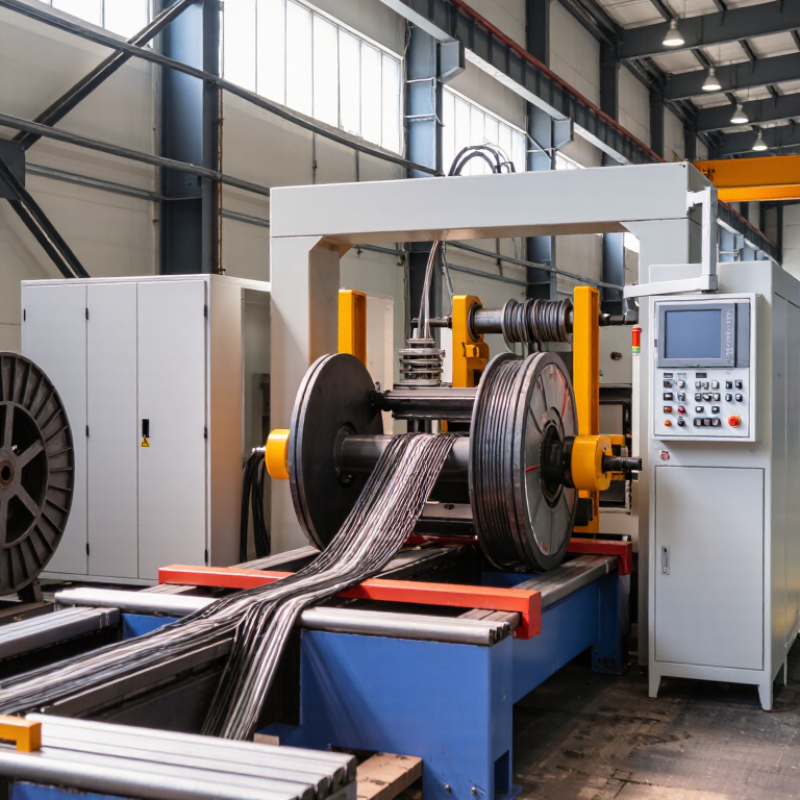
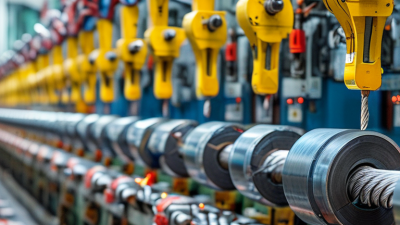
A second-hand cable armoring machine is pre-owned equipment designed to protect insulated cables with a layer of steel or aluminum wires. It usually includes a pay-off stand, armoring cage, tension controls, forming guides, and a take-up unit. During operation, the cable passes through the center while metal wires wrap around it at a controlled angle. The machine must maintain stable tension. Otherwise, the armor may develop gaps, loose sections, or uneven pressure.
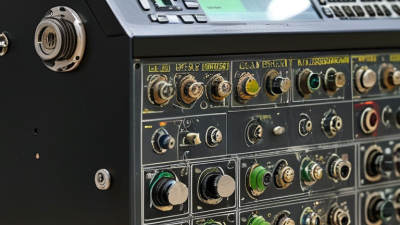
Used equipment can come from a closed factory, a production upgrade, or a line with limited operating hours. Its history matters more than its appearance. A clean frame does not prove reliable performance. Inspect the gearbox for noise, check bearings for heat marks, and examine the cage for cracks or deformation. Control cabinets also need careful testing, especially emergency stops, sensors, and speed regulation. Small faults can become expensive downtime.
Ask for maintenance records and previous cable specifications. Measure the usable cable diameter range, line speed, and wire size before purchase. A machine built for small control cables may not handle heavy power cables safely. Request a trial run with suitable wire and cable. Watch the first meters closely. The result may look acceptable, yet tension can drift after continuous operation. That detail is easy to miss, and it deserves honest review. Personally, I would value a documented test over a polished surface. Misjudgments happen. Careful inspection reduces them.
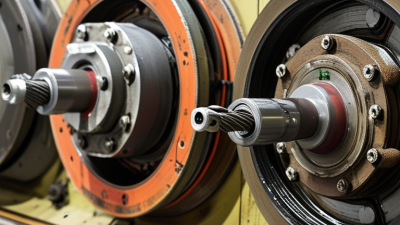
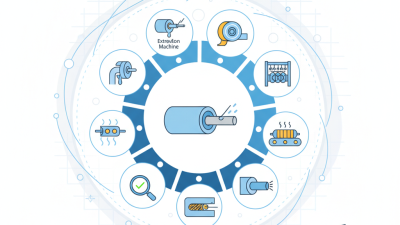
A second-hand cable armoring machine can still produce precise work when its operating system is understood and inspected. The process begins with a controlled pay-off, where the insulated cable enters at a steady speed. Guide rollers center the cable before armoring begins. A rotating cage carries steel tapes or wires around the cable core. Each carrier releases material under adjustable tension. The material forms a consistent protective layer. A closing die then presses the armor into its intended shape.
As the cable moves forward, synchronized rotation and line speed determine the armor pitch. Higher rotation usually creates a tighter pitch, while faster cable travel spaces the material farther apart. Operators check tension meters, carrier brakes, and alignment during production. Small deviations can leave gaps, dents, or uneven pressure on the insulation. That is where experience matters. On used equipment, bearings, gears, electrical controls, and safety guards deserve close attention. Worn bearings may produce vibration before visible damage appears. A practical trial run often reveals more than a clean exterior.
The finished cable passes through a take-up system, which maintains stable winding tension. Technicians should measure armor diameter, pitch, and surface condition regularly. Maintenance records support repeatable settings and easier fault tracing. Used equipment may need sensor replacement or control recalibration. That is not automatically a defect. However, assuming every original setting remains accurate can create avoidable waste. I would verify the machine with sample cable before full production. Safety interlocks should also be tested, not merely observed.
| Data Dimension | Second-Hand Machine Information | How the Machine Works or What to Check |
|---|---|---|
| Primary function | Applies a protective metallic armor layer around an insulated cable or cable core. | The machine pays off the cable core, forms and lays steel tape or steel wires around it, and winds the finished armored cable onto a take-up reel. |
| Common armoring materials | Galvanized steel tape, aluminum tape, galvanized steel wire, or other specified metallic armor materials. | The machine configuration must match the intended armor type. Tape armoring and wire armoring require different forming and guiding arrangements. |
| Main production stages | Pay-off, tension control, armor application, closing or forming, measuring, and take-up. | Stable synchronization between the line speed, armor delivery, and take-up reel is required to maintain consistent pitch and coverage. |
| Cable size capability | Varies by the machine’s die set, cage or spool capacity, armor diameter, and take-up arrangement. | Confirm the manufacturer’s original working range and compare it with the required finished cable diameter before purchase. |
| Armor pitch | The pitch may be adjustable through the line speed, rotating cage speed, or forming mechanism. | A smaller or larger pitch changes the armor coverage and flexibility. The adjustment system should operate smoothly without excessive backlash. |
| Tension control | May use mechanical brakes, dancer systems, magnetic tension units, or electronic control depending on age and configuration. | Inspect tension stability during operation. Uneven tension can cause loose armor, gaps, deformation, or excessive stress on the cable core. |
| Typical drive system | Electric motors, gearboxes, couplings, belts, and speed-control equipment drive the pay-off, armor cage, and take-up. | Listen for abnormal noise and check vibration, oil leakage, gear wear, coupling alignment, and the availability of replacement electrical components. |
| Control system | Older units may use relay controls or analog drives, while refurbished machines may include PLC and variable-frequency drive controls. | Verify that emergency stops, interlocks, speed controls, sensors, counters, and control-panel functions work correctly. |
| Production speed | Actual speed depends on cable diameter, armor material, pitch, line design, and the condition of the drive system. | Do not rely only on the rated speed. Request a running test using a cable size and armor specification close to the planned production. |
| Purchase cost | A used machine generally requires a lower initial investment than a comparable new machine. | Evaluate the total acquisition cost, including inspection, transport, installation, refurbishment, tooling, electrical upgrades, and commissioning. |
| Lead time | A used machine may be available sooner if it is already dismantled, documented, and ready for shipment. | Availability should be confirmed together with the machine’s current condition, missing parts, packing requirements, and delivery schedule. |
| Mechanical inspection points | Important areas include bearings, shafts, cages, rollers, guides, dies, spools, gearboxes, brakes, and take-up components. | Check for corrosion, cracks, worn contact surfaces, excessive play, damaged threads, and components that are difficult or costly to replace. |
| Electrical and safety condition | The electrical system may require rewiring, replacement sensors, updated protection, or adaptation to the local power supply. | Test insulation, grounding, motor protection, emergency stops, guards, access doors, and safety interlocks before production use. |
| Tooling and spare parts | The included tooling may be limited to a specific cable diameter or armor material. | Confirm the availability and dimensions of guides, dies, rollers, armor pay-off parts, belts, bearings, fuses, sensors, and control components. |
| Quality verification | A properly restored machine can produce consistent armor, but output quality depends on setup, tooling, material, and maintenance. | Inspect armor coverage, pitch consistency, surface damage, tightness, cable diameter, and take-up winding quality during a sample run. |
| Best purchase condition | The most suitable used machine has a documented operating history, complete tooling, accessible spare parts, and verifiable test results. | Choose based on the required cable range, armor type, production volume, power requirements, maintenance support, and total ownership cost. |
Note: Performance specifications vary according to the machine design, age, tooling, cable construction, armor material, and maintenance history. All operating parameters should be verified through technical documentation and a production test.
A second-hand cable armoring machine can reduce capital costs without slowing production. In many workshops, a proven machine reaches stable output sooner than a new installation. Its frame, armoring head, tension system, and control cabinet have already faced real operating conditions. That history provides useful evidence. A careful buyer should request service records, production samples, and electrical test results. Photos alone are not enough.
Used equipment may also shorten delivery time. A refurbished machine can arrive within weeks, while new equipment may require months for design and manufacturing. Existing tooling and compatible spare parts can simplify setup. Lower purchase costs may free funds for cable materials, operator training, or safety upgrades. Less waste, too. Reusing reliable machinery extends its working life and reduces demand for new industrial components.
However, not every used machine is a bargain. Hidden wear may appear in bearings, tension rollers, or insulation around older wiring. I have seen equipment look clean while needing careful alignment. That can affect armor spacing and cable quality. An honest inspection should include a powered test, guarding checks, emergency-stop verification, and a review of local electrical requirements. Budget for repairs, transport, installation, and calibration. The cheapest purchase is not always the lowest-cost choice. In some cases, a newer machine may offer better efficiency and support.
A second-hand cable armoring machine can offer solid value, but condition matters more than age. Inspect the frame for cracks, corrosion, and fresh paint hiding repairs. Check the armoring head, bobbin holders, bearings, and tension controls. Rotate each assembly slowly. Grinding sounds often reveal neglected bearings.
Measure shaft runout with a dial indicator, then record motor current during a trial run. The U.S. Department of Energy’s 2022 Motor Systems Market Assessment states that motor-driven systems consume about 70% of industrial electricity. Efficiency is not a minor detail. Review motor rating, gearbox ratio, line speed, wire diameter range, armor wire size, and maximum coil weight. Compare these figures with your production plan, not the seller’s brochure. Ask for maintenance logs, replacement-part history, wiring diagrams, and a recent insulation-resistance test. IEC 60204-1 provides useful guidance for machine electrical safety. ISO 20816-1 also supports vibration evaluation, although its limits must match the machine design.
Tips: Run the machine with your actual cable size. Watch tension stability over ten minutes. Check emergency stops and guarding physically. Measure noise and vibration at the same operating speed. A clean control cabinet can still hide obsolete components. I would also budget for new bearings and sensors, even when the seller promises “ready to run.” Leave room for doubt.
A second-hand cable armoring machine can reduce the initial investment, but the purchase price reveals only part of the cost. Inspection should begin with the main drive, gearbox, armoring heads, tension controls, and take-up system. Worn bearings may create vibration, uneven wire spacing, and damaged cable surfaces. A machine can appear clean yet hide years of overload operation.
Energy consumption also deserves attention. The U.S. Department of Energy reports that motor-driven systems use about 70% of industrial electricity. An older drive motor may therefore increase operating costs every production day. Check motor ratings, idle power, heating, and speed stability under real load. Ask for maintenance records, wiring diagrams, and recent test samples. Missing documents are a warning.
Replacement parts can create another risk. Custom gears, obsolete controllers, or damaged armoring dies may require long lead times and specialist machining. The International Energy Agency’s Energy Efficiency 2024 report stresses the value of efficient industrial equipment and better motor control. These savings are easy to underestimate. I would not trust a low quote without calculating electricity, repairs, installation, and downtime.
The financial model is imperfect. It should be. A realistic trial run, measured output, and independent electrical inspection can expose weaknesses before payment. A cheaper machine is useful only when its remaining service life is understood.