2026 Best Cable Coating Plant Suppliers?
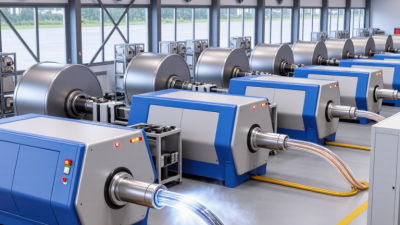
Choosing the right Cable Coating Plant supplier in 2026 requires more than comparing machine prices. A dependable supplier should understand polymer behavior, conductor preparation, extrusion control, cooling, testing, and long-term maintenance. The best systems produce consistent insulation thickness, smooth surfaces, reliable adhesion, and stable electrical performance.
As cable-processing specialist Dr. Charles A. Harper observes, “Stable processing beats headline speed when quality is measured in meters.” That principle remains practical on a busy factory floor. A high-speed line may look impressive, but uneven temperature control can create bubbles, eccentric insulation, or frequent production stops. Small defects become expensive when kilometers of cable are involved.
This guide examines the 2026 Best Cable Coating Plant Suppliers through measurable criteria. These include crosshead design, screw configuration, line speed, compound compatibility, spark testing, cooling efficiency, take-up accuracy, and digital monitoring. Supplier experience also matters. Ask for documented installations, sample cables, service response times, and operator training details.
Energy consumption deserves attention too. Efficient heaters, optimized motors, and reduced material waste can improve operating costs. However, no supplier is perfect. Some advertise maximum speed without explaining the tested cable size or coating material. Others offer advanced software that local teams may not use effectively.
The strongest choice balances engineering capability with practical support. It should fit your product range, factory space, workforce, and quality targets. Careful evaluation may take longer, but rushed decisions often cost more later.
What Defines a Cable Coating Plant Supplier in 2026
In 2026, a cable coating plant supplier must offer more than machines and installation. The strongest suppliers understand production realities, from resin viscosity to uneven line tension. During plant audits, engineers should inspect coating thickness, curing temperature, and material waste. A supplier that asks detailed questions usually understands the process better.
Technical expertise appears in practical details. Can the system maintain stable coating at different cable speeds? Does it provide automatic temperature control, tension monitoring, and clean changeover procedures? Reliable suppliers explain these features with test data, not vague promises. They should also provide operator training, maintenance schedules, spare-part planning, and clear commissioning records. Support matters after delivery.
Compliance is another defining factor. Suppliers should design equipment around recognized safety, environmental, and electrical requirements in the target market. They should document energy use, emissions control, guarding, and emergency systems. Sustainability now includes lower scrap rates and efficient heating, not only attractive claims. Total operating cost deserves attention.
No supplier gets every detail right. A thoughtful buyer should challenge assumptions and request sample trials before signing. Production conditions often differ from laboratory results. The best partnership leaves room for adjustment, honest reporting, and measurable improvement. Small details matter: a clean control panel, readable alarms, and quick access to inspection points can prevent costly downtime.
How to Evaluate Cable Coating Plant Suppliers
2026 Best Cable Coating Plant Suppliers?
How to Evaluate Cable Coating Plant Suppliers
Choosing a cable coating plant supplier requires more than comparing prices. Review its engineering experience with your cable materials, diameters, speeds, and production targets. Ask for process records from similar installations. A supplier should explain coating thickness, curing temperature, line tension, and material compatibility in practical terms.
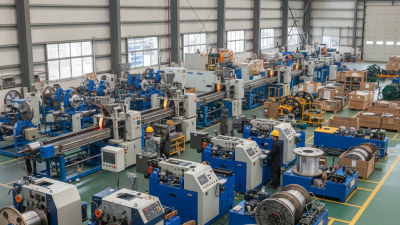
Visit the manufacturing site if possible. Inspect frame alignment, electrical cabinets, safety controls, spare-part storage, and final inspection areas. Request a witnessed trial using your own cable and coating compound. Measure surface finish, adhesion, concentricity, line stability, and waste levels. Do not trust polished samples alone. Production data matters.
Check how the supplier manages quality. Look for documented inspections, calibrated instruments, traceable components, and clear acceptance criteria. Speak with recent customers, preferably those operating comparable lines. Ask about installation training, response times, software updates, and maintenance support. One overlooked detail can stop an entire shift. I once saw a technically strong proposal fail because replacement heaters had an unclear lead time. No evaluation is flawless. Leave room for uncertainty, and record every assumption before signing.
Leading Supplier Categories and Regional Market Strengths
2026 Best Cable Coating Plant Suppliers?
Leading Supplier Categories and Regional Market Strengths
Cable coating projects usually involve several supplier categories, not one universal source. Turnkey plant integrators coordinate extruders, cooling systems, controls, testing equipment, and installation. Equipment specialists may offer better coating accuracy for selected cable types. Material suppliers support compound trials, color consistency, and thermal performance. Process engineering firms can improve layouts when factory space is limited.
East Asian suppliers often provide strong manufacturing scale and competitive machinery lead times. Their plants may suit high-volume power, building, and communication cable production. European suppliers commonly emphasize precision, energy monitoring, documentation, and strict process control. This can help manufacturers serving demanding infrastructure markets. North American suppliers often stand out in custom engineering, retrofit work, and responsive technical support. Regional service coverage matters when a line stops at midnight.
South Asian and Southeast Asian suppliers can offer practical expansion options, especially where labor and construction costs influence investment decisions. However, lower purchase prices may hide training gaps, spare-part delays, or inconsistent commissioning. That risk deserves attention. I would compare factory acceptance tests, coating thickness data, utility consumption, and maintenance records before selecting a partner. Site visits reveal details that brochures miss, such as cable tension stability and floor drainage. No supplier fits every project. A reliable decision still depends on local regulations, workforce skills, climate, and the supplier’s willingness to document problems honestly.
Essential Factors for Selecting the Right Supplier
Choosing a cable coating plant supplier in 2026 requires more than comparing equipment prices. The International Energy Agency reports that global electricity demand may grow by 3.4% annually from 2024 to 2026. Its grid-transition analysis also estimates that 80 million kilometres of new or upgraded grids may be needed by 2040. This demand increases pressure on coating lines to deliver stable insulation, accurate thickness, and fewer production interruptions.
Evaluate the supplier’s process expertise, not only its machinery catalogue. Ask for verified data on line speed, coating uniformity, curing control, scrap rates, and energy consumption. Request a factory acceptance test using your actual conductor size and coating material. A useful supplier should explain maintenance intervals, operator training, spare-part availability, and remote support. ISO 9001 certification can support process discipline, but certification alone cannot prove reliable plant performance. That distinction is easy to miss.
Tips:
Build a weighted scorecard before requesting quotations. Give quality, safety, service response, and lifecycle cost clear weightings. Check at least three recent customer references. Ask how many hours the line has operated under comparable conditions. Review test records, not polished presentations. Also, calculate electricity use per kilometre of finished cable. A cheaper line may consume more power for years. No scorecard is perfect. Leave space for engineering judgement, because real production rarely follows the brochure.